The post 3 Tips to Teach Your Child To Read appeared first on PregnancyBeyond.
]]>
By: ChildrenLearning
Learning to read at a young age is important for the development of the child. It helps them develop a better understanding of their surroundings, allows them to gather information from printed materials, and provides them with a wonderful source of entertainment when they read stories and rhymes. Children develop at different rates, and some children will develop reading skills quicker than other children; however, what’s important is that as the parent, you are keenly aware of your child’s maturity and reading level to provide them with appropriate books and activities to help them improve.
As parents, you are the most important teacher for your children. You will introduce your child to books and reading. Below we have some tips to help you teach your child to read.
Teach Your Child How to Read Tip #1
Teach your child alphabet letters and sounds at the same time. Studies have shown that children learn best when they are taught the letter names and letter sounds at the same time. In one study, 58 preschool children were randomly assigned to receive instructions in letter names and sounds, letter sound only, or numbers (control group). The results of this study are consistent with past research results in that it found children receiving letter name and sound instruction were most likely to learn the sounds of letters whose names included cues to their sounds. [1]
When teaching your child the letter sounds, have them slowly trace the letter, while saying the sound of the letter at the same time. For example, if you were teaching your child the letter “A”, you would say:
“The letter A makes the /A/ (ah) sound.”
Then have your child say the /A/ sound while tracing the letter with his or her index finger.
Teaching a Child How to Read Tip #2
When teaching your child to read, always emphasize with them that the proper reading order should be from left to right, and top to bottom. To adults, this may seem so basic that anyone should know it. However, our children are not born with the knowledge that printed text should be read from left to right and top to bottom, and this is why you’ll sometimes see children reading from right to left instead – because they were never explicitly taught to read from left to right. When teaching your child how to read, always emphasize this point with them.
Teach Your Child How to Read Tip #3
Teach final consonant blends first. Teaching words such as “at” and “and” can lead your child directly to learning words that rhyme with these. For example, for “at”, you can have:
Lat
Pat
Mat
Cat
Sat
Bat
Spat
Chat
For “and”, you can have these rhyming words:
Sand
Band
Land
Hand
Stand
Bland
Brand
Grand
and so on…
You can start teaching blends once your child has learned the sounds of some consonants and short vowel sounds. You don’t need to wait until your child has mastered the sounds of all the letters before teaching blends.
Learning to read is a long process, but it doesn’t have to be a difficult process. Broken down into intuitive and logical steps, a child as young as two years old can learn to read, and older children can accomplish even more.
Notes:
1. J Exp Child Psychol. 2010 Apr;105(4):324-44. Epub 2010 Jan 25.
Learning letter names and sounds: effects of instruction, letter type, and phonological processing skill.
Piasta SB, Wagner RK.
Preschool Language and Literacy Lab, The Ohio State University, Columbus, OH 43210, USA.
The post 3 Tips to Teach Your Child To Read appeared first on PregnancyBeyond.
]]>The post Sweet Pregnancy Sleep – Effective tips for good sleep appeared first on PregnancyBeyond.
]]>
Sweet Pregnancy Sleep By Dola Kaytee (Mom Coach).
Pregnant and can’t sleep? Here is an excerpt from my eBook – SWEET PREGNANCY SLEEP: Effective Tips For A Blissful Sleep When You’re Expecting A Baby.
Hello Mama,
Congratulations on your pregnancy! It is a wonderful and joyous time. As you would expect, most women would feel tired during pregnancy and would require more sleep than before. Trust me, there is nothing better than a good nights’ rest particularly now that you have a cute little one on the way.
Do you know that one of the best gifts an expectant mother can give to her baby is nine months of a healthy pregnancy? Mama, not sleeping well can lead to a number of problems. And, it is for this reason I encourage mothers to keep a good sleep habit which is particularly essential when pregnant.
I have good news for you! in this ebook, I have compiled a few lifestyle tweaks that can improve your sleep during pregnancy. These tips have helped me in both of my pregnancies, and it has been recommended to several other expecting mothers and they swear by it!
You are not getting enough sleep.
Mama, not getting enough sleep can affect every aspect of your life. Expectant mothers who have poor nighttime sleep are more likely to experience:
- a depressed mood,
- attention and memory problems,
- excessive daytime sleepiness,
- nighttime falls,
- a low birth weight baby
- and may experience prolonged labor;
some may choose to resort to over-the-counter or prescription sleep pills, all of which may adversely affect the healthy development of the baby.
My aim in this ebook is for you to achieve the sound sleep you and baby so both desperately need. The benefits of having adequate sleep at night cannot be emphasized enough! A good night’s sleep during pregnancy will help you look your best come morning and will help the baby grow.
Wondering what’s included in the ebook? In this ebook, you will learn:
- Bulletproof ways to fix your sleep problems. So, you can finally achieve the sweet pregnancy sleep that you and your baby both so desperately need.
- Proven tips on how to sleep better at night naturally.
- Effective sleep solutions dedicated to improving your health and quality of your pregnancy sleep
- Healthy bedtime routines and effective sleep strategies that will help you sleep better and dramatically improve the quality of life.
Also Read: Pregnancy Sleep Secret
Read to sleep soundly through the night? Get your copy here
The post Sweet Pregnancy Sleep – Effective tips for good sleep appeared first on PregnancyBeyond.
]]>The post Cord Blood Facts – Every Parent Should Know appeared first on PregnancyBeyond.
]]>Cord Blood Facts:
Cord Blood Facts: It is taken from a newborn’s umbilical cord shortly after birth. It is a rich source of stem cells that can be used to treat many diseases. Including several forms of leukemia, lymphoma, and anemia, as well as sickle cell disease.
Parents have the option to discard the cord blood, donate it to a public bank, or store it in a private family cord blood bank.
In a four-part series of brief articles, representatives of the nonprofit Cord Blood Association explain how cord blood is collected and banked. How it is used to treat disease. What parents, especially those who are not of Northern European ancestry, should know to make an informed decision.
Why Is Cord Blood Important?
By Karen Ballen, MD, and Arthur Flatau, Ph.D.
Consider these interesting facts:
 For a blood or marrow transplant, the likelihood that a sibling is a complete biological match and can be a donor is 25%. If a patient does not have a sibling who is a compatible match, a donor outside of the family must be found. This is done through national and international donor registries.
If the patient is native to Pakistan, there are more chances of a complete match in the family. The likelihood of there being a complete match within his or her family is about 80%. This high likelihood is because of the relatively large families and a high frequency of intermarriage among cousins. But in the United States, the likelihood of a biological match within the family is much lower. Given the size of most U.S.families, the chance of a complete match within the family is about 30%. About 70% of patients of Northern European ancestry will find a fully matched donor in the international Be The Match registry. But only about 25% of Black/African–American patients will find a fully matched donor in the international registry. The best match for many African-Americans is in an umbilical cord blood bank. Consequently, cord blood is the cell source for about 34% of African-American unrelated transplant patients, compared to 10% of white patients. The take-away from the above facts is that African-Americans needing a blood or marrow transplant more frequently must rely on banked umbilical cord blood. This makes it all the more important that African-American parents expecting the birth of a child knows their options for saving or discarding cord blood.
What Exactly is Cord Blood?
Cord blood is the blood left over in the umbilical cord and placenta after a baby is born. Throughout history, the umbilical cord and placenta have been discarded as waste when a child is born.
In fact, still today, these tissues are discarded in the majority of births. But over the past 30 years, medical scientists and physicians have researched on it. They learned about the rich source of stem cells in cord blood. More and more parents are donating or saving this blood.
Instead of discarding it as medical waste, parents have other options. They can:
Donate to a public cord blood bank for use by anyone with a medical need
Pay to store in a private family cord blood bank for possible future use by your family
If you are an expectant parent, talk with your obstetrician or other health care provider about the options that may be available to you.
Donating cord blood for public use or storing it for your family’s exclusive use is a personal decision, but your health care provider can advise you.
Why should I consider saving my baby’s cord blood?
In the upcoming installments in this four-part series, we will answer that question. Also others, such as how cord blood is collected. The diseases that cord blood can treat, and the relative benefits of public and private family banking.
NEXT ARTICLE: SHOULD I BANK MY BABY’S CORD BLOOD
About the Author:  Karen Ballen, MD, a hematologist/oncologist at the University of Virginia Health System. Moreover, he does cord blood research. Also, his articles about cord blood therapies frequently appear in medical journals.
Arthur Flatau, Ph.D. Who is a leukemia survivor. Also, he is chair of the Cord Blood Association Public Education Committee.
Join us over at the PB Moms Exclusive Circle. Where we invite healthcare experts to prepare us for life after childbirth and motherhood. Go to: pregnancybeyond.com/exclusive-circle
Follow PregnancyBeyond on Instagram, Facebook and Twitter
The post Cord Blood Facts – Every Parent Should Know appeared first on PregnancyBeyond.
]]>The post TWINS | This Woman is Carrying For Her Twin Sister appeared first on PregnancyBeyond.
]]>TWINS:

Former Arizona State University basketball star, Jill Noe carrying twins, is giving her fraternal twin sister the gift of motherhood.
Jill Noe, 34, became a surrogate for her sister, Whitney Bliesner. Who learned she would not be able to have children. When she was diagnosed with a rare genetic disorder as a child. She has neurofibromatosis type 2. Characterized by the growth of noncancerous tumors in the nervous system.
“We found out that I had acoustic neuromas, which are brain tumors,” Whitney told Inside Edition.
Whitney and her husband looked into adoption and surrogacy. But those paths to parenthood were too expensive for the couple. And that’s when Whitney’s best friend and twin sister – Jill, stepped in.
ALSO SEE: Woman with Cerebral Palsy Welcomes Baby
Jill Noe, Whitney’s fraternal twin, volunteered to be her sister’s surrogate.
‘I was like, yeah! Let’s just do it!’ Jill told CNN, recalling the moment she agreed to help make her sister a mother.
‘Let’s see where this goes and let’s see if I can get my body where it needs to be to have your kids.’
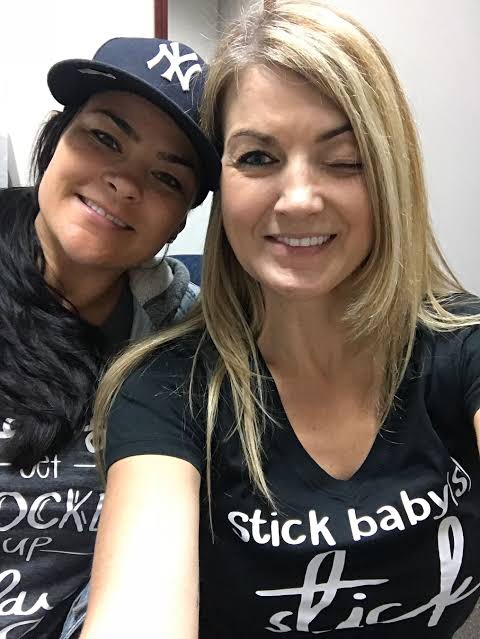
“It’s really hard as a twin knowing that you have a best friend who’s sick and there’s nothing you can do about it but sit back and watch. To finally have this opportunity to give her something that was gonna be taken away from her, has been a true blessing for me,” Jill said.
Twins Bond:
The twins from Portland, Oregon have always shared a special bond since they were born. They said that bond has grown even stronger since Jill agreed to become Whitney’s surrogate.
‘She’s always wanted to be a mom and her disease has already taken so much from her. I wasn’t going to allow (NF2) to take this opportunity from her, too. She’s my best friend and I know she would have done the same for me. I really didn’t put much thought into becoming a surrogate at all. It just felt like the right thing to do. Our family is so strong and so supportive of one another, especially since Whit’s diagnosis in 8th grade,’ Jill said.

Whitney faced several health issues, including loss of hearing in her right ear that can be passed on genetically, as well as a partial hysterectomy because of fibroid tumors.
‘We couldn’t use my eggs because there’s a 50/50 chance I could pass it on. I just don’t think I would be able to live with myself if I knew I passed this condition to my kid,’ said Whitney.
After one failed attempt at in vitro fertilization, the soon-to-be mother said she was not completely surprised to discover that her sister was pregnant with twins. They had transferred two embryos.

Jill said the twins, a boy, and a girl, are healthy and due to be born on June 6.
Whitney and her husband, Pete, have already picked out names for them: Rhenley for the girl and Rhett for the boy.
Update:
https://www.instagram.com/p/By5FQwcFrTO/?igshid=h6h03p1retb9
READ:
• Heartwarming Father-Son Story “Never In a Fight Alone”
• “We Beat Infertility”: Woman Recounts Her Near-Death Experience
Photos: Courtesy Whitney Bliesner
We invite you to join us over at the PB Moms Exclusive Circle. Where we invite healthcare experts. Who prepares us for life after childbirth and motherhood. Go to: pregnancybeyond.com/exclusive-circle.
Follow PregnancyBeyond on Instagram, Facebook, and Twitter
The post TWINS | This Woman is Carrying For Her Twin Sister appeared first on PregnancyBeyond.
]]>The post Safety Warning: 10 Infant deaths linked to Fisher- Price Rock ‘n Play. appeared first on PregnancyBeyond.
]]>Infants who can roll over by themselves should not be put in a Rock ‘n Play sleeper.

Fisher-Price and the U.S. Consumer Product Safety Commission has warned parents and caregivers about the toymaker’s Rock ‘n Play Sleeper, which they said is linked to 10 infant deaths.
In conclusion, the deaths occurred when the infants, who were 3 months or older rolled over in the device while unrestrained.
All 10 children were older than 3 months old. This is typically when infants are able to roll themselves from their backs to their stomachs. Also, to sides and vice versa.
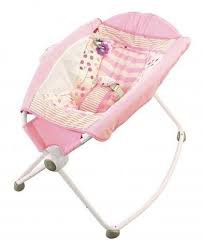
Davis said the commission is currently investigating the product.
“If it turns out that it needs to be recalled, we will move forward with that,” Davis told CNN.
“Because deaths continue to occur, [the Consumer Product Safety Commission] is recommending consumers stop the use of the product by three months of age, or as soon as an infant exhibits rollover capabilities,” the statement said. “CPSC has previously warned consumers to use restraints in infant inclined sleep products.”
Chuck Scothon, general manager at Fisher-Price, issued a statement Friday. He warned and noted the sleeper meets all “applicable safety standards.”
On the whole, the issue, the company said, is that the sleeper is only meant for infants 3 months and younger. Once infants reach 3 months of age, they tend to be able to roll over on their own.
The company also said that its instructions warn parents. Not use the sleeper with babies who can sit or pull themselves up independently.
Fisher-Price reminded parents to always use the restraint in the sleeper. Also, place babies on their backs and never add extra padding.
“A child fatality is an unimaginable tragedy,” Scothon said.
“Fisher-Price and every one of our employees takes the responsibility of being part of your family seriously. Also, we are committed to earning that trust every day,” he added.
The statement doesn’t mention a product recall.
April 11, 2019 – RECALL UPDATE:
The U. S. Consumer Safety Commission and Fisher-Price took the advice of the American Academy of Paediatrics. They have issued a recall of 4.7 million Rock ‘n Play sleepers.
Stop using the Rock ‘n Play sleepers immediately. Call 1-866-812-6518 or contact Fisher-Price for a refund or voucher.
• Mom Shares Shocking X-Ray Image of Grape Stuck In Child’s Throat.
• Heartbroken Dad Warns About The Dangers of Button Battery
Join us over at the PB Moms Exclusive Circle. Where we invite healthcare experts to prepare us for life after childbirth and motherhood. Go to: pregnancybeyond.com/exclusive-circle.
Follow PregnancyBeyond on Instagram, Facebook, and Twitter
The post Safety Warning: 10 Infant deaths linked to Fisher- Price Rock ‘n Play. appeared first on PregnancyBeyond.
]]>The post When To Call the Doctor For Your Newborn appeared first on PregnancyBeyond.
]]>When To Call the Doctor For Your Newborn?
When To Call the Doctor For Your Newborn ( or go to the ER ) By Dr. Cathryn.

Congratulations on your new baby! It’s such an exciting, overwhelming, confusing, joyous, and scary time. The first few weeks can be particularly challenging. All of a sudden you’re totally responsible for another human being—and you may not have any previous experience with babies or any friends or family nearby to guide you.
My goal is to help make the beginning of this journey easier for you. Babies are strange little creatures and they’re not always easy to read. Many new parents feel hesitant about calling their doctor and wonder whether they’re over-reacting. So, I’ve put together a list of a few common newborn problems that require a call or visit your healthcare provider in the first month of life. It will help you for knowing When To Call the Doctor For Your Newborn.
FEVER: Newborn babies may get a fever as the first and the only sign of a serious infection. Call your baby’s doctor immediately or better yet, go to the Emergency Room, if your new baby is younger than 1 month old and has a rectal temperature of 100.4°F (38°C) or higher. This isn’t a situation to watch and see whether the fever goes away on its own.
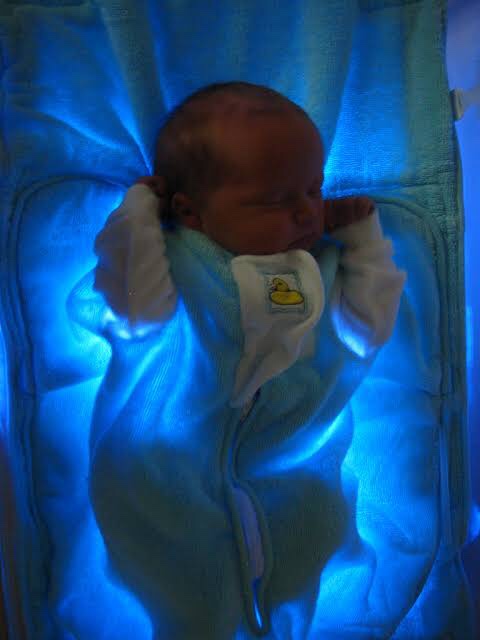
JAUNDICE: Yellowing of the skin and eyes is very common in the first few days of a new baby’s life. For most babies, jaundice will go away on its own. However, some new babies will require treatment in the hospital. You should see your baby’s health-care provider if your little one appears more jaundiced or feedings aren’t going well. Also, watch for signs of dehydration, such as fewer wet diapers, or urates in the diaper. (Urates are a red-orange stain found in your baby’s diaper that may be caused by dehydration).
BREASTFEEDING YOUR NEWBORN: WHAT TO EXPECT
VOMITING: Many babies spit up. But it’s important to be able to differentiate between vomit and spit-up because vomiting needs a trip to the hospital, while spit-up can be discussed with your doctor. How can you tell the difference? Spit-up effortlessly spills out of the mouth, is typically a small amount, and sometimes comes up with a burp. While vomiting is more forceful and is a larger amount. If your baby’s vomit is consistently forceful or dark green in color or spit-up is copious, you should take your little guy to the hospital. If you’re not sure whether your baby is spitting-up or vomiting, err on the side of safety, and have your baby seen by a doctor.
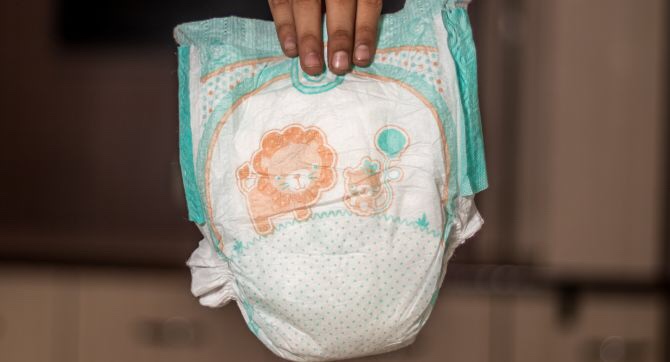
INS & OUTS: Since your baby can’t tell you how she’s feeling, you’ll partly need to depend on wet and poopy diapers to guide you about her hydration and nutrition.
Urine output—-In the early days, a baby typically has one wet diaper for each day of life. In other words, 1 wet diaper on day one, 2 on day two, and so on… Once your milk comes in, you can expect approximately 5 – 6 wet diapers in a day.
Poopy diapers—- Newborn poop comes in a variety of colors and consistency. Pooping is also a reflection of your baby’s wellbeing. First comes meconium, the black tarry stool that filled your baby’s intestine when in utero. Next comes a transitional stool, which is a dark green, yellow, yellow-green, loose, and possibly seedy stool. Then within a few days comes a mustard-like color, watery, or seedy stool for breast-fed babies. A bottle-fed baby’s poop can have a more brownish colored stool that is soft but formed.
So here’s the deal. There’s a lot of variation of normal newborn poop! So, what’s average? In the first few weeks of life, a breastfed baby may have 1 – 10 bowel movements per day with the average being 5. A bottle-fed baby will typically have 2 bowel movements a day, but this number may also vary.
When should you contact your physician regarding your baby’s Ins & Outs in the first month of life? (It’s important to realize we are talking about the first month of life—as your baby’s digestive system is changing quickly and what’s considered normal will change after this time).

Call your doctor if:
1️⃣ your baby has urates in several diapers
2️⃣your little one isn’t having adequate urine output.
3️⃣your newborn isn’t having a daily BM in the first few weeks of life.
4️⃣ stools are white or light-colored stool (especially if your baby is jaundiced, as this may reflect liver problems)
Other reasons to see your doctor would include non-stop crying, feeding problems, sleeping more than usual, breathing rapidly, and anything that makes you feel worried.
Finally, if anything about your baby’s condition is making you feel uncomfortable, please see your healthcare provider. Trust your instincts—they’re typically right!
MUST-READ : Seven Secrets Every Woman Must Know Before Giving Birth
Medical Disclaimer. The information on this site is not intended or implied to be a substitute for professional medical advice, diagnosis or treatment. All content, including text, graphics, images and information, contained on or available through this web site is for general information purposes only.
 About the Author: Dr. Cathryn is a consulting and general pediatrician for more than 30 years. Her work has been featured in NY Times, LA Times, Washington Post, Globe & Mail, Dear Abby, Parents, Todays Parent, Canadian Living, etc. She’s also the mother of four successful and lovely young adults, and one wildly playful puppy (who’s causing her more grief than her children ever did). Find more of her @healthiest_baby
Join us over at the PB Moms Exclusive Circle, where we invite healthcare experts to prepare us for life after childbirth and motherhood. Go to: pregnancybeyond.com/exclusive-circle.
Follow PregnancyBeyond on Instagram, Facebook, and Twitter.
The post When To Call the Doctor For Your Newborn appeared first on PregnancyBeyond.
]]>The post Nanny Convicted of Murder For Force-Feeding appeared first on PregnancyBeyond.
]]>Nanny Convicted of Murder For Force-feeding A Baby To Death:

A Maryland Nanny Convicted of Murder after prosecutors successfully argued. She poured almost 8 ounces of formula down a baby girl’s throat in less than 30 seconds. Essentially drowning her.
Oluremi Adeleye, 73, from Maryland, was convicted Monday. After a judge found her guilty of child abuse and second-degree murder over Enita Salubi’s death in 2016.
Footage from a nanny camera showed 8 month-old Enita pulling on the nanny’s dress and patting her leg as she lay on the couch.

Prosecutors said that Adeleye then poured nearly eight ounces (0.25 liters) of milk down Enita’s throat in less than 30 seconds.
The footage showed Adeleye picked up Enita after she fell to the floor and tried to give her another bottle.
The baby eventually went limp.
Family warns of “dry drowning” after 4-year-old’s death
Adeleye, a mother of five and grandmother of 10, declined a trial by jury. She opted to have a judge weigh her case.
When she testified in her own defense, Adeleye said she didn’t mean to hurt the child.
Adeleye said she was merely trying to ensure that the baby didn’t go hungry. Contended it is customary in her home country of Nigeria to force children to eat.
“I did what I needed to do to make sure the baby had food in the stomach”. She testified through an interpreter.

In announcing the conviction, the judge noted that Adeleye lied to homicide detectives. During a recorded interview about how she fed the child. Adeleye at first denied removing the lid of the bottle to feed the baby. Then later admitted to unscrewing the cap. After a detective told her there was a video of the incident, testimony showed. The lying “demonstrates a consciousness of guilt,” the judge said. He also mentioned that the nanny’s actions were “cruel and inhumane.”
Baby Died After Contracting Herpes Virus From “A Kiss Of Death”
Join us over at the PB Moms Exclusive Circle. Where we invite healthcare experts to prepare us for life after childbirth and motherhood. Go to: pregnancybeyond.com/exclusive-circle.
Follow PregnancyBeyond on Instagram, Facebook, and Twitter
The post Nanny Convicted of Murder For Force-Feeding appeared first on PregnancyBeyond.
]]>The post Should I Bank My Baby’s Cord Blood? appeared first on PregnancyBeyond.
]]>Baby’s Cord Blood:
Should I Bank My Baby’s Cord Blood? By Karen Ballen, MD, and Arthur Flatau, Ph.D.

Why should I consider saving my baby’s cord blood?
Generally, umbilical cord blood contains blood-forming stem cells. That, when transplanted, can rebuild the bone marrow and immune system. Moreover, save the life of a patient with a serious blood disorder such as leukemia, lymphoma, or sickle cell disease. Infusions of these cells can also treat patients with inherited genetic disorders. Also, bone marrow failure, and immune deficiency diseases.
Cord blood transplantation is not only accepted treatment for many blood diseases. Also, research is underway to determine whether components of cord blood can treat other medical conditions. Such as birth asphyxia (brain damage from lack of oxygen), cerebral palsy, and autism. However, cord blood therapies for these brain injuries and diseases are not a standard medical practices. But, are being evaluated in ongoing studies and may prove useful in the future.
Cord blood is one of three sources of blood-forming stem cells used in a transplant. The other two sources are bone marrow and the blood that circulates throughout the body (called peripheral blood).
Finding a compatible match can be difficult for African-Americans and other minorities. Because they have a lower rate of registration in national and international registries. This means that patients more frequently have to rely on umbilical cord blood registries.
What are the alternatives to discarding cord blood?
It’s important that expecting parents know their options for saving cord blood. Instead of discarding cord blood as waste, other options might be:
Donate the cord blood to a public cord blood bank for use by anyone with a medical need.
Pay to store the cord blood in a private family cord blood bank. For a possible future use by your family.
How is cord blood collected?
After your baby is delivered, the umbilical cord is clamped and cut. Blood from the umbilical cord and placenta are put into a sterile bag. Also, with a blood thinner to prevent it from clotting. No blood is taken from your baby.
Cord blood collection can be performed after a vaginal or a Caesarian delivery (often called a C-section). The collection procedure has no pain and poses no risk to the mother or baby. And does not interfere in any way with your labor or the baby’s delivery.
What are the current recommendations for delayed clamping?
You may have seen or heard recent discussions about “delayed clamping” of the umbilical cord. Several obstetric organizations in the United States, the United Kingdom, and Canada have recommended a delay of 30-60 seconds. Between delivery and umbilical cord clamping in healthy, full-term babies. It is believed that delayed clamping may have a beneficial effect on the newborn.
Delayed clamping can reduce the volume of stem cells remaining in the umbilical cord. But that does not necessarily make the volume unsuitable for storage or donation. On the other hand, if the baby’s cord blood is being stored for a known use. Such as the transplant of another family member with leukemia. Delayed clamping may not be advised.
Expectant parents should discuss options for delayed clamping with their obstetrics provider.
In the final two installments of this series of articles, we will look specifically at donations to public banks. And also storage in a family bank. Either is a viable option, and only you can know what is the best option for you.
NEXT ARTICLE: DONATING CORD BLOOD: A GUIDE FOR PARENTS
About the Author:
 Karen Ballen, MD, a hematologist/oncologist at the University of Virginia Health System. Who does cord blood research and whose articles about cord blood therapies frequently appear in medical journals. Also, Arthur Flatau, Ph.D., is a leukemia survivor. Also, chair of the Cord Blood Association Public Education Committee.
Join us at the PB Moms Exclusive Circle. Where we invite healthcare experts to prepare us for life after childbirth and motherhood. Go to: pregnancybeyond.com/exclusive-circle.
Follow PregnancyBeyond on Instagram, Facebook, and Twitter.
image Credit: Destiny Boney
The post Should I Bank My Baby’s Cord Blood? appeared first on PregnancyBeyond.
]]>The post Baby Died After Contracting Herpes Virus From Kiss appeared first on PregnancyBeyond.
]]>Baby Died After Contracting Herpes Virus From Kiss:
A newborn baby died after catching herpes from a ‘kiss of death’, her heartbroken mother has revealed.
The parents of a newborn baby who died just eight days after her birth are warning others. About the potential dangers of allowing family and friends to touch and kiss infants.

Aliza Rose Friend was just eight days old when she passed away after developing neonatal herpes. Her mother Abigail says Aliza was healthy for the first 36 hours of her life before she developed a fever.
4D ULTRASOUND CAPTURES TWIN BABIES KISSING INSIDE MOM’S WOMB
The newborn baby began to deteriorate as the disease quickly “ate her lungs and brain”. Leaving her struggling to breathe and suffering multiple seizures.
The DailyMail reports that the baby was soon declared brain dead. Doctors turned off her life-support while her mother sang ‘you are my sunshine’

HSV-1 typically causes cold sores or small blisters on the mouth, eye, or lips, which can lead to severe infections or even death in newborns due to their undeveloped immune systems. According to the New York State Department of Health, about 70 percent of U.S. adults are infected with HSV-1 and can shed virus in their saliva at any time, even if they don’t show symptoms. The virus can be transferred to newborns from close contact with someone who is shedding HSV-1 or has an active outbreak.

Her mother Abigail Rose Friend was told by doctors her daughter caught the infection after being kissed by a carrier or touched by unwashed, contaminated hands. Due to her having many visitors, it is unclear who passed the virus on.
DAD WARNS OF DANGERS OF DRY DROWNING AFTER 4-YEAR-OLD’S DEATH
Join us over at the PB Moms Exclusive Circle, where we invite healthcare experts to prepare us for life after childbirth and motherhood. Go to: pregnancybeyond.com/exclusive-circle.
Follow PregnancyBeyond on Instagram, Facebook, and Twitter.
The post Baby Died After Contracting Herpes Virus From Kiss appeared first on PregnancyBeyond.
]]>The post Anesthesia During Pregnancy – Is it Safe? appeared first on PregnancyBeyond.
]]>Anesthesia During Pregnancy:
Anesthesia During Pregnancy – Is it Safe? Dionne C. Okafor, MD.
Oh No! I’m pregnant and I need to have surgery!!
Pregnancy is a very exciting time but it can also be a time of constant anxiety. Why wouldn’t it be, you have your little angel growing inside of you. Also, you want to do everything to make sure they are nice and healthy. So when a doctor tells you that you need surgery while you are pregnant, that anxiety gets multiplied 10 fold. An aspect of surgery that creates a lot of fear for most patients, pregnant or not, is going under anesthesia. For pregnant patients, anesthesia can be a bit more challenging, after all, there are two patients to care for.
So what exactly makes anesthesia during pregnancy different?
Well for one thing, during pregnancy, women go through a whole host of anatomic and physiologic changes. The anesthesiologist has to be knowledgeable of these changes to provide proper care.
So what are the changes and how do they affect you?
An important step in the anesthesiologist’s physical evaluation is looking in the patient’s mouth to evaluate their airway before surgery. The assessment is rated with a classification called the Mallampati Score.
This score ranging from I to IV helps us to predict the possible ease or difficulty in placing an endotracheal tube aka the breathing tube, required to give you oxygen as you sleep during surgery. In pregnancy, because of soft tissue changes, a woman who prior to pregnancy, had what appeared to be an easy airway (Mallampati I or II) can transform to a possibly more challenging one (Mallampati III or IV). What does this mean? For us, it means that if an airway is predicted to be difficult, we prepare tools and equipment to work around it. However, a challenging airway does place a patient at risk for a missed airway and respiratory complications.

Functional Residual Capacity
Another change in pregnant women experience is a decrease in what we call FRC or Functional Residual Capacity. This means that the time it takes for oxygen levels to decrease in the body is shorter than non-pregnant patients. This, coupled with a potentially difficult airway, could be disastrous if the breathing tube is not placed in a timely manner. We try to combat this by making sure a pregnant patient pre-oxygenates by taking several breaths of oxygen through a mask. This prefills their lungs with oxygen before they go off to sleep allowing for the lungs to have a good reserve to pull from.
Pregnant women are also at higher risk for a complication called aspiration. Aspiration is when stomach content gets into the lungs, basically vomiting while you sleep. This can happen because during pregnancy there is a slowing of gastric motility or stomach. Also, gut motions required to propel food forward in the GI tract. There is also an upward displacement of the stomach as the baby grows and takes up more space.
If you are pregnant and suffer severe heartburn, these are big reasons why! As a result, anesthesiologists make sure you adhere to fasting guidelines ensuring decreased stomach content. Then to get you off to sleep we use a technique called rapid sequence induction. This technique skips steps in the normal process of placing the breathing tube. That, unfortunately, exacerbates the risk of aspiration. While also rapidly placing the breathing tube. This helps to reduce this risk significantly.
PROTEIN IN YOUR PREGNANCY DIET
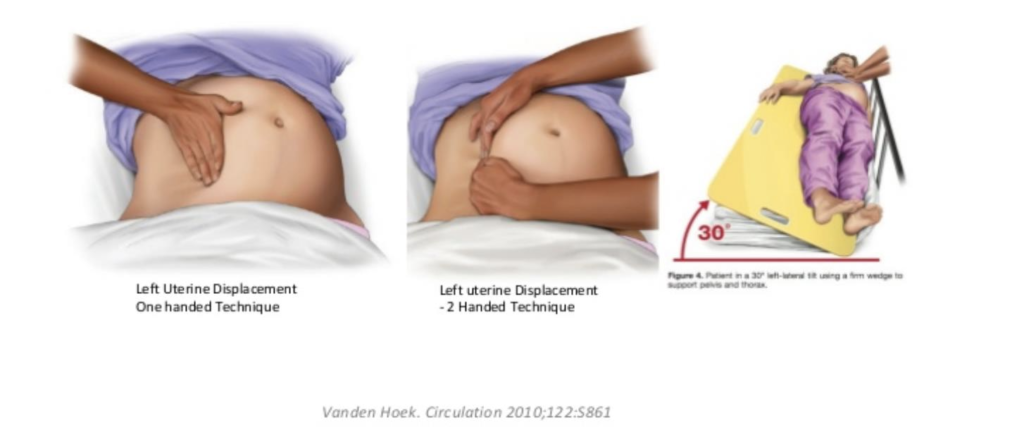
An additional change that occurs due to the growing uterus is that blood flow can be obstructed. As the baby grows and the uterus gets bigger lying flat can be an issue. Because the uterus can compress the aorta and vena cava, which are major blood vessels in the body. The compression of these vessels can lead to the decreased blood supply to the placenta and therefore the baby. To alleviate this, we position the mother in such a way to prevent this compression. A position called left uterine displacement or left uterine tilt. We also give plenty of fluids and medications to help enhance blood flow as well.
So what about baby, after all, they are the patient too?
Surgery can place the baby at risk, the major risk being miscarriage and fetal demise. The changes listed above to the mother places her at higher risk of low oxygen levels and low blood flow to the uterus. How does this affect the baby? Well, the mother and baby share blood and oxygen supply. If there is less to share between the two, the baby receives less than what is necessary for their health and survival.
Additionally, with anesthetic medications, there is a concern for their possible teratogenic effects which are developmental issues and deformities. However, according to Rosen, data shows that women who have had surgery do not have a higher incidence of babies with congenital anomalies, than those who didn’t. Women who have undergone surgery are at increased risk, however, for abortions, growth restrictions, and low birth weight babies. These seem to be attributed more to the need for surgery rather than anesthetic medications. There is one medication we typically avoid. Because there is controversy about its link to cleft palate. Especially if used in the 1st trimester. Those are benzodiazepines such as valium or Ativan. However, this has not been substantiated to be the case.
HOSPITAL BAG CHECKLIST: WHAT TO PACK FOR LABOR AND DELIVERY
So with all of this information, your anxiety probably hasn’t settled. But no worries, you are in the hands of an anesthesiologist and anesthesia team who have trained for this.
How do we take care of you? What are the options? In addition to some of the maneuvers and steps mentioned above. When presented with a pregnant patient, before they get into the operating room, we plan. Here are some steps we take in planning to care for our pregnant patients:
Postpone:
First, we collaborate with the surgeons and discuss the need for the surgery. Our first objective is to see if the case can be postponed until after delivery to avoid the risks altogether.
Delay till optimal time:
If the surgery is required because unfortunately, you can still get a ruptured appendix. A bad gallstone, or worse, during pregnancy. We then try to at least delay the case until the 2nd to early 3rd trimester. This time frame has been shown to be the lowest risk time in pregnancy for complications to occur during surgery.
Alter the anesthetic technique:
Regardless of the timing, surgery and anesthesia are risky especially when the case requires general anesthesia with a breathing tube. Therefore, we try as much as possible to use other techniques to get you through the surgery. Some of those options include placing epidural or spinal anesthesia. Doing the case with local anesthesia, or performing a peripheral nerve block technique. These techniques carry their own risks. For example, the epidural and spinal anesthetic can still cause low blood pressure in a mom. Therefore affect the blood flow of the baby if care is not taken. However, minimizing the need for sedation and placing a breathing tube. If the procedure allows, is a helpful way to decrease risks to mom and baby.
Collaborate with Obstetrics and Neonatology:
Most importantly, when a woman requires surgery, the obstetrician or perinatologist and neonatologist are informed. Also, obstetrical nurses are involved. They assist with perioperative fetal monitoring as well as preoperative planning and postoperative care. This helps to make sure the experts are monitoring the baby and are available to intervene if need be.
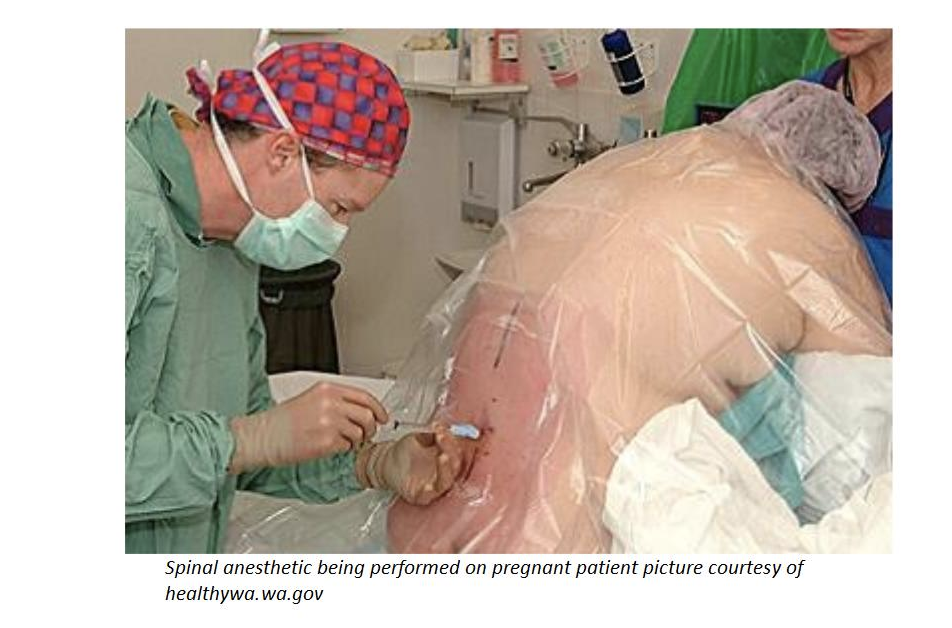
Feeling a little better?
Well, the good news in all of this is that only about 1-2% of women require surgery during pregnancy. Additionally, the rate of complications or adverse outcomes in mom and baby are actually low. When surgery is recommended it usually is the best option to address an underlying condition. That can cause serious harm to you and your baby. With advances in medicine, teamwork, and good planning, many complications are avoided. I hope this answers some questions for you. Make sure to always be a self-advocate and ask important questions to all involved in your care.
TIPS TO HELP YOU PREPARE FOR CHILDBIRTH AND LABOR
Author:  Dionne C. Okafor, M.D. is a general anesthesiologist at HSHS St. Mary’s Hospital. Completed medical school at the University of Pittsburgh School of Medicine and residency training at Harvard Brigham and Women’s Hospital. You can follow her on Instagram @dr_adaora
Join us over at the PB Moms Exclusive Circle. Where we invite healthcare experts to prepare us for life after childbirth and motherhood. Go to: pregnancybeyond.com/exclusive-circle.
Follow PregnancyBeyond on Instagram, Facebook, and Twitter.
The post Anesthesia During Pregnancy – Is it Safe? appeared first on PregnancyBeyond.
]]>