The post Father Son Story – Never In A Flight Alone! appeared first on PregnancyBeyond.
]]>Heartwarming Father-Son Story: Never In A Flight Alone:

Heartwarming Father-Son Story: Robert Selby, 34, became a first-time dad in October 2013, and shortly after this, his son Chace Elijah got diagnosed with Tetralogy of Fallot, or a congenital heart defect, the same day he was set to go home.
Robert told PregnancyBeyond, Chace spent months in the hospital because of the birth defects and had two surgeries before he was one year old.

When Chace was strong enough to go home he needed to be outfitted with a gastrostomy tube for feeding. Since he had been in the hospital for months and hadn’t yet learned how to eat orally.
After he turned six months, Robert decided to show solidarity with his son. By gluing a G- tube to his own stomach and posing for photos. He continued this tradition every year.
ULTRASOUND CAPTURES TWIN BABIES SHARING A KISS

Robert says Chase has used this experience which he shares on his Instagram page to inspire others who might be facing the same situation. Speaking to PregnancyBeyond, he said “Regardless of his health issues, he does not allow that stop him from being a normal kid. Also, helping inspire someone in this world who is going through the same thing if not worse health issues”

“Our motto and saying is you’re Never In A Fight Alone (#niafa ). No matter what you are going through in life. If it’s domestically, homeless, sexual harassment, health issues, depression, you name it. There’s always a community to help you out in the darkest of times. I am so thankful to our Congenital Heart Disease community to help us out. When my son at two weeks old had to fight for his life and still is till this day.” Robert added.
MOM ISSUES WARNING AFTER BABY BECAME COMPLETELY UNRESPONSIVE
Join us over at the PB Moms Exclusive Circle. Where we invite healthcare experts to prepare us for life after childbirth and motherhood. Go to: pregnancybeyond.com/exclusive-circle.
Follow PregnancyBeyond on Instagram, Facebook, and Twitter.
The post Father Son Story – Never In A Flight Alone! appeared first on PregnancyBeyond.
]]>The post Child-Proofing Your Home: 13 Things To Look Out For! appeared first on PregnancyBeyond.
]]>Child-Proofing Your Home:
Child-Proofing Your Home: 13 Things To Look Out For!
Children are naturally curious and they learn by exploring their environment. As you would know, a child’s curiosity can be very dangerous and for that reason, parents will need to take necessary precautions in keeping their child safe.
Here are 13 of the biggest concerns when it comes to the home and ways parents/caregivers can address them:
1 . Unsecured Drawers
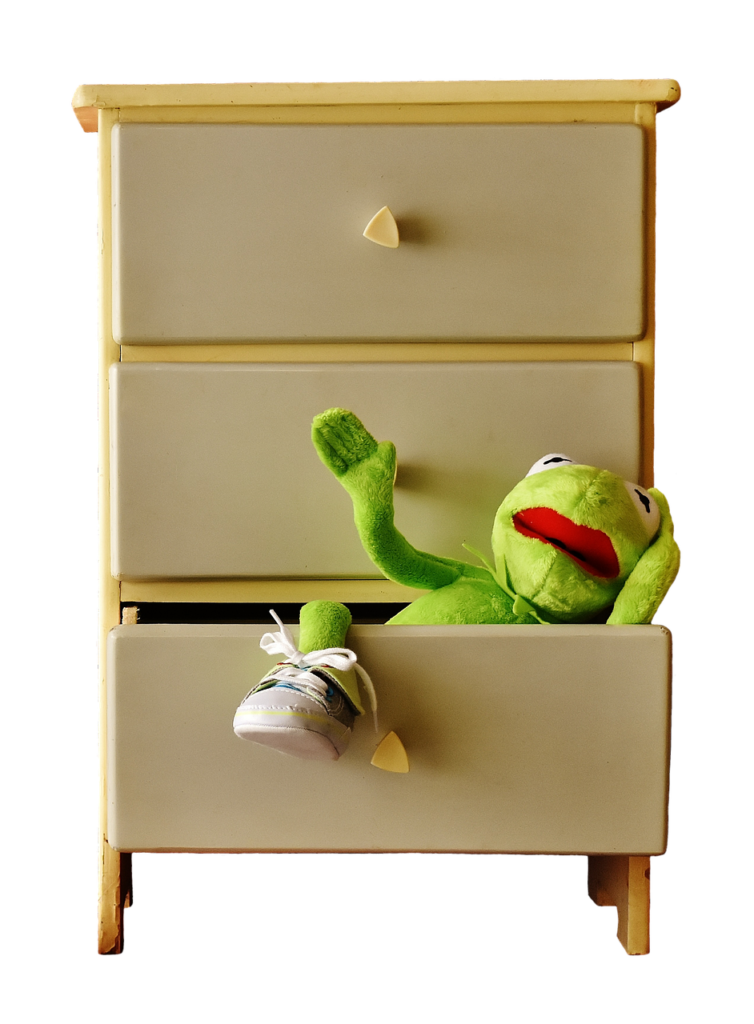
Small children tend to climb on furniture such as freestanding bookcases, drawers, wardrobes and sideboards, and if the furniture is unsecured the child’s weight can cause it to topple. When shopping for furniture, look for furniture that comes with safety information or equipment for anchoring it to the walls. Drawer should also remain shut to prevent small children from climbing into them.
2. Draw Strings
Drawstrings on children’s garments at the neck and waist are a safety hazard. They can catch on cribs, playground equipment, and vehicle doors, resulting in injuries including strangulation. Waist drawstrings can become caught in bus or car door. Cut all drawstrings out of hoods, jackets, and waistbands in your young child’s wardrobe. It is also important to keep drawstring bags out of reach and warn older children about the risk of hanging a drawstring bag around their neck.
3. Window Blind & Cotton Cord
When window cords are accessible to small children, these seemingly harmless products may become strangulation hazards. Toddlers are usually unable to free themselves if they become entangled as their muscular control is not fully developed yet. More so, their windpipes are smaller and less rigid than those of adults and older children, this means that they suffocate far more quickly if their necks are constricted. If possible, use only non-corded window coverings in homes where infants and young children are present.
4. Family Dog
According to DogBiteLaw.com, the most severe dog bite injuries happen almost exclusively to children under the age of 10 and the majority of attacks happen in familiar places by a dog that belongs to the victim’s family or friend. Teach children to be gentle with dogs and to never tease, corner, or disturb a dog that’s eating, sleeping, or caring for puppies. Additionally, pet food and pet toys with small parts can also be choking hazards.
5. Bath seat and rings
Bath seats are used to assist in supporting a baby or young child in a bathtub. The three primary dangers associated with baby bath seats include the bath seat tipping over, the child slipping or climbing out of the bath seat, and entrapment in the leg openings. In any of these incidences, there is a risk of injury or even possible death.Baby bath seats and rings pose a great danger of a child drowning if they climb out of the seat. In addition, many bath seats may easily tip over with the child or have defective seats and restraints that allow the child to slip through the leg holes, presenting a great risk of either injury or death to the infant.
Babies have drowned when the suction cups on the bath seat came loose and the bath seat tipped over, when the baby slipped through the leg openings, or when the babies were able to climb out of the bath seat. These deaths occurred when the babies were out of their caregiver’s sight and reach for only seconds.
6. Button Batteries
Parents and caregivers need to be aware of the risk posed by button batteries in their homes. Keep loose and spare batteries locked away and store any product that uses button batteries out of reach. This includes remote controls, watches, key fobs, calculator, certain games and toys, indeed any household item that is powered. Make sure that the battery compartments of all electronic items are taped shut or will require a screwdriver to open the battery compartment. Loose batteries should are always stored out of children’s reach.
READ: Heartbroken Dad Warns About The Dangers of Button Batteries
7. Cosmetics
Your makeup and lotion or aftershave and deodorant may not be the first things that come to mind as possibly dangerous household products. However, accidental exposures can make children sick and could require medical attention. As you probably know by now, toddler put everything in their mouth and these products are made for external use only.

If you look closely at the packaging on personal care items and cosmetics, you’ll notice that many of these products have warnings that instruct you to …
- Avoid contact with the eyes.
- Keep out of reach of children.
- Get medical help if swallowed.
Use only cosmetic and other personal products suitable for the age of your child. Some products should only be used by adults, such as those containing alpha-hydroxy acids (AHAs), hair removal products (depilatories, waxes, etc.), hair dye, and tooth whiteners.
8. Toys
Toys are a fun and important part of any child’s development. And there’s plenty you can do to make sure all toys are safe.
The Royal Society for the Prevention of Accidents (RoSPA) has these tips for toy safety:
- Buy toys only from recognized outlets;
- Make sure the toy is suitable for the child, check the age range.
- Be particularly careful with toys for children under three.
- Be wary of young children playing with older children’s toys.
- Check for loose hair and small parts, sharp edges, and points.
- Ensure that garden swings and slides are robust and are not a strangulation hazard.
- Check toys regularly for wear and repair or dispose of them where necessary.
- Keep the play area tidy;
- Follow the instructions and warnings provided with toys.
- Supervise young children at play.
Also, parents are to avoid the purchase of loud noise-emitting toys as the noise can harm a child’s hearing. If you have to yell to be heard above the sound of a toy, then it is likely too loud for a child and should not be used. Supervise children at playtime.
9. Ballons
Balloons present safety and choking. Latex balloons are recommended for decoration rather than play as they pose both a choking and suffocation risk to children. The balloon could get sucked into and lodged in the child’s throat; there is also a risk of choking from pieces of broken balloons and uninflated balloons. Keep inflated and uninflated balloons, and pieces of broken balloons, out of the reach of children.
Parents should also be aware of dangers posed by helium balloons; danger occurs when the helium is inhaled into a child’s lungs thereby depriving them of oxygen supply. This can have fatal results.
10. Magnets
Swallowing magnets can have serious and sometimes fatal consequences. It is especially dangerous if a child swallows more than one magnet over a short period of time. The magnets can attract one another while traveling through the intestines. When this happens, the magnets can slowly tear through the intestinal walls. It is also possible for the magnets to twist the intestines and create a blockage.
A wide variety of toys contain small powerful magnets that can pose a real danger to children if they are accidentally swallowed or inhaled. Types of toys that may contain these magnets include:
- construction sets
- puzzles
- toy jewelry and dress-up items
- action figures and dolls
- board games
- train sets
11. Handbags, Pursers, Briefcases
Any bag, backpack, or suitcase that someone brings into your home may contain items that could poison, choke, or injure children, such as medications, change, hard candy, pen caps, safety pins, nail scissors, and matches. It only takes a few seconds for a small child to choke on any of these items where adults are busy talking.
12. Cribs, Bunk Beds, and Bed Rails
Your baby will spend a lot of time in the crib. It’s your job to make sure it’s always a safe environment. The safest place for a baby to sleep is alone in a crib.
- Place baby on his/her back in a crib with a firm, tight-fitting mattress.
- Do not put pillows, quilts, comforters, sheepskins, pillow-like bumper pads, or pillow-like stuffed toys in the crib.
- Consider using a sleeper instead of a blanket.
- If you do use a blanket, place the baby with feet to the foot of the crib. Tuck a thin blanket around the crib mattress, covering the baby only as high as his/her chest.
- Use only a fitted bottom sheet specifically made for crib use.
STEPS TO HELP PREVENT SUDDEN INFANT DEATH SYNDROME
13. Second-hand products
Second-hand goods have become increasingly popular from charity shops, car boot sales, pawn stores, and auction websites – but buying a product second-hand is never as safe as buying something new. Never buy child car seats, helmets and other protective headgear second-hand expect of course you are assured of their history. These products once involved in an incident/ accident must not be used again.
Also, be sure to check with the manufacturer of a product for recalls before buying or using a second-hand product.

Completely childproofing a home can be difficult as little kids love to explore. To check your childproofing efforts, get down on your hands and knees in every room of your home for a kid’s-eye view.
Always close doors to bathrooms, the kitchen, and install a child lock. Remember you play an important role in keeping your child safe
BABY DIES IN HOT CAR WHILE MOM GOT HAIR DONE
Join us over at the PB Moms Exclusive Circle, where we invite healthcare experts to prepare us for life after childbirth and motherhood. Go to: pregnancybeyond.com/exclusive-circle.
Follow PregnancyBeyond on Instagram, Facebook, and Twitter.
The post Child-Proofing Your Home: 13 Things To Look Out For! appeared first on PregnancyBeyond.
]]>The post The Dangers of “Dry Drowning” appeared first on PregnancyBeyond.
]]>Dangers of “Dry Drowning:
 Parents’ Warn Of The Dangers of “Dry Drowning” After 4-Year-Old’s Death.
The parents of a four-year-old boy who died from dry drowning almost a week after swimming are warning others about the condition.
Francisco Delgado III, known as Frankie, was playing in knee-deep water during a Memorial Day weekend trip to Texas City Dike when a wave from a distant ship knocked him over and his head went under, said his father, Francisco Delgado Jr. A family friend picked him up, and Frankie said he was OK.
“He had fun the rest of the day,” Delgado said. “I thought nothing of it.”. Frankie continued to show symptoms of stomach bug and his parents decided to treat him at home.
The youngster had seemed to recover but woke one-night complaining of shoulder pain, and had difficulty breathing. He died a short time later in hospital.
What is dry drowning?
Doctors found fluid in Frankie’s lung, which they believe was a result of dry drowning. Dry drowning, which occurs when a swimmer is on land, is the result of water left in the lungs that cause edema, or swelling, said Dr. Juan Fitz, a spokesman for the American College of Emergency Physicians. When the air passages in the lungs are filled with water, they are unable to exchange oxygen to and from the blood, causing blood oxygen levels to drop and the heart to slow.
Fitz said dry drowning most commonly occurs in young children. It is difficult to predict whether a child is going to be affected unless they were obviously struggling in the water, he said.
GET MORE CHILD SAFETY TIPS HERE
What is secondary drowning?
A similar condition, secondary drowning, occurs when water gets into the lungs, causing inflammation and difficulty breathing. With dry drowning, the water does not reach the lungs, but it causes vocal cords to spasm and tighten which restricts airflow.
Symptoms
Symptoms of both conditions, which usually affect children, include trouble breathing, persistent coughing, sleepiness, forgetfulness, fatigue, and vomiting.
Delgado hopes to raise awareness about his son’s story to help prevent other families from experiencing their pain.
“My son was special. My son was so good. He was the best,” he said. “All he wanted to do was put a smile on my face.”
Always call an emergency number if you have any concerns that your child may be experiencing dry or secondary drowning.
RECOMMENDED: Baby Died After Contracting Herpes Virus From Kiss
Follow Pregnancy & Beyond on Instagram, Facebook, and Twitter
The post The Dangers of “Dry Drowning” appeared first on PregnancyBeyond.
]]>The post Heartbroken Dad Warns About The Dangers of Button Batteries appeared first on PregnancyBeyond.
]]>Dangers of Button Batteries
 A heartbroken father has shared the story of how his two-year-old daughter lost her life; to warn parents about the dangers of button batteries.
George Asan’s two-year-old daughter Francesca died of a massive internal hemorrhage. After she swallowed a 2cm lithium battery. Commonly found in toys and gadgets. The toddler endured days of agony as the battery burned through her esophagus into her artery.
George shared the details of the incident which happened last May. Just to mark Child Safety Week which runs from June 5 – 11, 2017.
He explained to the Manchester Evening News that Francesca swallowed the battery after taking it out of a pair of 3D glasses which her family had placed inside a drawer, insider a box which was inside another box. The little girl did not choke on the battery but died of catastrophic internal injuries after the battery came into contact with her stomach fluid and began to corrode.
“I feel guilty,” Goerge said, “Unfortunately we didn’t see anything wrong, no signs.
Urging other parents to be aware of the danger, he said: “What happened to Francesca proved that you can’t have eyes everywhere and you can’t take that basic freedom of exploring away from a toddler, that makes them a toddler.”

Image: Youtube
The Child Accident Prevention Trust has stressed how the small, round batteries ‘can be extremely dangerous for children if swallowed’ – especially lithium button batteries which are larger and more powerful – and can kill within hours.
Child Accident Prevention Trust safety advice:
- Store spare button batteries well out of children’s reach and sight.
- Keep products with button batteries well out of children’s reach, if the battery compartment isn’t secure.
- If you think your child may have swallowed a button battery, don’t delay – take them straight to A&E or dial an emergency number for an ambulance
- Also, If you suspect your child has swallowed a battery, parents are advised to “act fast” and abide by the following guidelines:
- If you have the battery packaging or the product powered by the battery, take it with you. This will help the doctor identify the type of battery and make treatment easier.
- Do not let your child eat or drink.
- Do not make them sick.
- Trust your instincts and act fast.
- To find out more visit www.capt.org.uk/button-batteries
Also Read: Sudden Infant Death Syndrome – Prevention Guide
The post Heartbroken Dad Warns About The Dangers of Button Batteries appeared first on PregnancyBeyond.
]]>