The post Birth Control After Baby – Methods And Options appeared first on PregnancyBeyond.
]]>Birth Control After Baby:
Birth Control After Baby: Popular Methods And Options By Dr. Christine Sterling M. D.
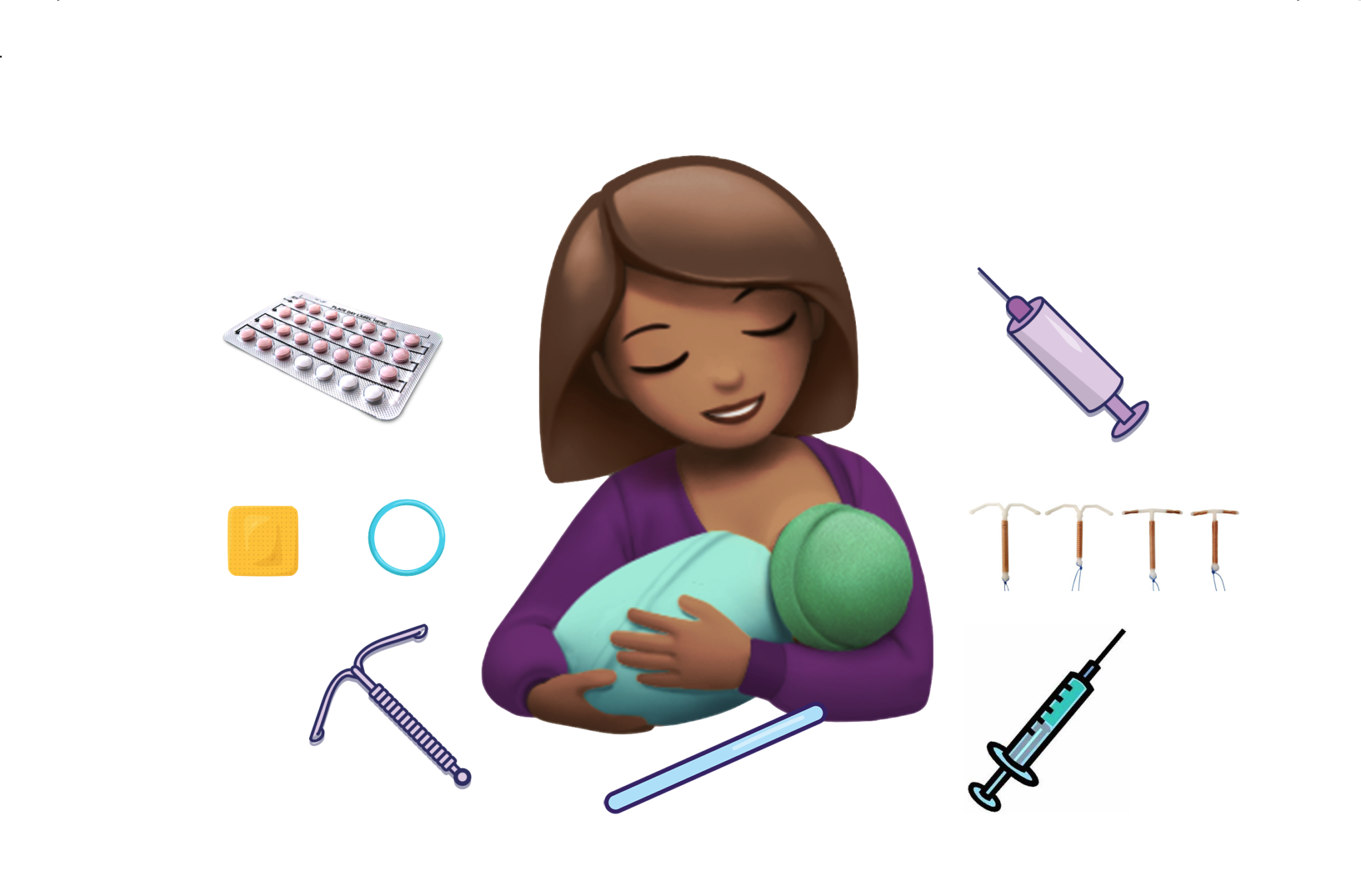
Birth Control After Baby: After having a baby, it is best to wait at least 6 weeks before resuming intercourse. Once you become sexually active again, pregnancy becomes possible. To minimize pregnancy risks, the World Health Organization recommends delaying pregnancy for at least 18 months after giving birth.
Lactation
Many women believe that breastfeeding prevents pregnancy, and it does sometimes. However, relying on lactation to prevent pregnancy is tricky. To be an effective form of contraception, all of the following conditions must be met:
- Less than 6 months postpartum
-
Breastfeeding exclusively with no more than 4 hours in between feedings (no supplementation of any kind, including food)
-
Not having a period. It is important to note that you can ovulate and get pregnant before your first period after birth.
BREASTFEEDING YOUR NEWBORN: WHAT TO EXPECT
Combined-hormonal contraception- the pill, ring, and patch
These forms of contraception contain both estrogen and progesterone. They are not generally recommended for women who are breastfeeding as the estrogen can decrease milk supply. For those who are not breastfeeding, these forms of contraception can be initiated after 6 weeks.
Estrogen-containing birth control increases the risk of blood clots. Women who are less than 6 weeks postpartum should not use this form of birth control. These forms of contraception are about 91% effective at preventing pregnancy.

Copper intrauterine device
This highly effective form of contraception has no hormones and is placed inside your uterus by your doctor. The chance of getting pregnant while using the copper IUD, known as ParaGuard in the US, is less than 1%. Your doctor can insert it in the office and it is effective immediately.
The Paraguard IUD is best for women with light to moderate periods. As it can increase the amount of bleeding during your time of menstruation. Some women also report increased cramping with their periods, though this typically gets better within 6 months of placement. The copper IUD is FDA approved for 10 years of contraception, but research supports effectiveness for up to 12 years.
Progesterone-containing intrauterine device
There are 4 different progesterone containing IUDs on the market in the US. They are all small T-shaped devices that are placed in your uterus by a doctor in a simple office procedure. Placement typically takes under a minute. The IUDs differ in size and progesterone dose. The Skyla and the Kyleena are the smallest in size.
The Skyla has the lowest dose of progesterone hormone and lasts for only 3 years. Higher doses of progesterone mean the IUD works for longer. Also, better able to decrease the amount of menstrual bleeding. The Kyleena is small, like the Skyla, but has a higher dose of progesterone. That is why it works for 5 years and is more likely to decrease or stop your periods.
The Mirena and the Liletta have the highest dose of progesterone. The Mirena lasts for 6 years. Furthermore, 1 in 5 Mirena users no longer have a period after 1 year of use. The progesterone IUDs are over 99% effective at preventing pregnancy. Also, can be used to treat heavy periods and pelvic pain. They are effective within one week of placement. Also, can be removed before their expiration date should you decide to pursue pregnancy or change your mind. Removal is usually a quick and painless process.
HOW TO STRENGTHEN YOUR PELVIC FLOOR AFTER BIRTH
Birth control implant
In the US, Nexplanon is the only available birth control implant. Nexplanon contains progesterone hormone and is the most effective form of contraception available. It is even more effective than getting your tubes tied, though it is not permanent.
The Nexplanon is a small device about the size of a matchstick. That is inserted in the upper arm by a doctor under local anesthesia. Insertion takes only a few minutes, and it prevents pregnancy for 4 years. Most women experience a decrease in their monthly menstrual flow. However, some women have irregular bleeding for the first 6 months or so.
Nexplanon can be removed at any time. Removal, like placement, is typically a simple procedure done in the office with minimal downtime.

Progesterone-only pill
This oral contraceptive, called the “mini-pill” by some. This is a pill that must be taken at the same time every day in order to be effective. Ovulation and pregnancy can occur if you miss a dose by more than 3 hours. For many remembering to take a pill every day at the exact same time is challenging.
This may help explain why it is only 91% effective at preventing pregnancy. On the upside, it does not require a separate office visit for insertion. Like the long-acting reversible contraceptive devices (IUDs and Nexplanon).
Progesterone injection
In the US, Depo-Provera is available as an injection you get every 3 months. This injection of progesterone is 94% effective at preventing pregnancy. It can cause weight gain and cannot be removed once the injection is given.
About the Author:
Join us over at the PB Moms Exclusive Circle. Where we invite healthcare experts to prepare us for life after childbirth and motherhood. Go to: pregnancybeyond.com/exclusive-circle.
Follow PregnancyBeyond on Instagram, Facebook, and Twitter.
The post Birth Control After Baby – Methods And Options appeared first on PregnancyBeyond.
]]>The post Best Labor And Birthing Positions appeared first on PregnancyBeyond.
]]>Best Labor And Birthing Positions:
Best Labor And Birthing Positions By Miri Sais (Traditional Birth Attendant ).
Generally, there are many ways to give birth. From squatting to standing, since the beginning of time women have been giving birth in almost any position you can imagine. However, this isn’t an exemplar in the delivery room.
For instance, according to the Third National U.S. Survey of Women’s Childbearing Experiences, 90% of American women who give birth, do so, either laying down or in some state of refinement, often with their legs propped up. In Australia only 78% of women give birth laying down, a 12% difference, even still that’s far too much.
Particularly, multiple studies have proven birthing laying down leads to an increase in pain, longer labor, and tearing. Also, it is the most likely of all positions to lead to the use of forceps/vacuum and epitomizes. Moreover, the same is true for the supine (lying face upward), or reclining positions.
Birth Vlog: “SHE MADE ME REALIZE HOW MUCH OF A STRONG WOMAN I AM”
Still, the numbers are slow to improve. The reason being, many women don’t know of any other birthing positions. Further, it is the primary position we see in regards to birth. Be it TV or literature of the women who do know of other birthing positions, a majority view them as risky “alternatives” and aren’t willing to attempt for fear of harming themselves and their baby, this is not true.
Every birthing position has it’s pros and cons, but each and every one has its needed purposes. And it is vital for mothers to know of them, so when the great laboring day comes she is well aware of all her options.

Birthing Position:
Squatting
In general, this position is done with some form of back support, to keep the mother steady and give her a place to shift weight to. Many choose the aid of another person, or two. You can also use a birthing bar.
Pros
• Good advantage of gravity encouraging faster descent
• Opens pelvis giving baby room to maneuver
• Also allows mobility and betters freedom to shift weight and comfort
Cons
• Can be tiring
• Requires some form of support.
Standing
For support in this position, many use a birthing bar to hold on to, or another person to lean against.
Pros
• Strong advantage of gravity, pushing the baby down
• Reduces backache
• Baby is well aligned in the pelvis
• Helps create a pushing urge
Cons
• Harder for birth attendants to monitor baby.
• May require some form of support.
Hand and Knees
Generally, outside of laying down and reclined, the hands and knees position is the next frequently used.
In this position, the mother’s arms are propped up to reduce tiredness.
Pros
• Can help shift or rotate baby if needed
• Baby is well aligned in the pelvis
• Takes pressure off spine thus relieving back pain
• Can help boost baby’s oxygen level
Cons
• Harder for Mother to view what’s happening
• Arms may get tired
Laying Down Or Reclined
There are two variations of laying down, during labor and delivery, you can lay flat down on your back with or without a stirrup. As well as you can recline with legs down, or with stirrups. While these can be the most complicated of the birthing and laboring positions, there are times when these positions are needed.
Pros
• Comfortable for the laboring mother
• Great resting position
• Easier for the birth team to monitor baby
Cons
• Tearing
• Works against gravity
• Very restricted of Mother’s movements
• Compresses all major vessels which reduce blood flow to the baby
• Can lead to more painful and less effective contractions
Birth Position And Laboring Tools:
These are some tools made to help you in laboring and delivery.
Birth Stool And Chair
Supports birthing positions: sitting, squatting
It may not look like much, but this tool does the most. It’s best to support is in the sitting position, but it’s also helpful to hold on to when squatting, especially if it has handled.

Birthing Bar
Supports birthing positions: squatting, standing
Also called the squat bar, this tool is most commonly used for mothers to hold while squatting or standing.
Birthing Ball
Supports laboring positions: squatting, sitting
There’s nothing particularly fancy about the birthing ball, in fact, many people just use an exercise ball. If you chose to use an exercise ball it’s vital to assure that it’s the right size. Unlike the previous two tools, it’s not a good idea to birth while using the birthing ball, but it is good for laboring.

Preparation
Now that you know a little bit about the different birth and laboring positions and the tools that support them, there’s still some preparation work to be done.
As for the acquiring of birth and laboring tools, many should be available at most hospitals. Make sure in your birth plan you check your hospital for the tools you desire.
As for the positions themselves, for the past two centuries laying down has been the position for birthing. It’s the primary position most doctors know and trust. And for fear of complications, doctors may advise against uncommon birth positions. As I said earlier, there are pros and cons to every position. Each opens up the pelvis a different way and has a different relation to the pull of gravity. No position is the absolute best. There’s no position that you should solely rely on, be it hands and knees, squatting, or laying down. Always keep in mind when choosing your delivery position, the positioning of the baby.
Along with knowing positions and the tools available, always stand firm, and trust your instincts. The best position is choosing your birth team wisely, and your greatest tool.
BREASTFEEDING MOM WHO LOST HER SON TO BREASTFEEDING ADVOCATES BOTTLE FEEDING
About the Author: Best Labor And Birthing Positions
 Miri Sais is a Traditional Birth Attendant, Prodigy Entrepreneur, and a Certified Market Garden Trainer. She is 2nd generation home birthing babies.
Miri has helped hundreds of families in her 20+ years as a birth attendant and doula and has personally ushered the births of hundreds of healthy babies into the world. She has also guided countless human beings to heal from emotional pain, grief, miscarriage, inner stress, and trauma, tap into their strength and power, live fully and live vibrantly, and reclaim their radiance, joyfulness, calm and overall sense of well-being. She teaches empowered birth which has the ability to heal the soul and awaken the most enlightened version of ourselves. Find more of her on www.Mirisais.com, on her Facebook page, and on her Instagram page.
Join us at the PB Moms Exclusive Circle, where we healthcare experts prepare you for life after childbirth and motherhood. Go to: pregnancybeyond.com/exclusive-circle.
Follow PregnancyBeyond on Instagram, Facebook, and Twitter.
The post Best Labor And Birthing Positions appeared first on PregnancyBeyond.
]]>The post 6 Ways To Prepare Your Child For A New Sibling appeared first on PregnancyBeyond.
]]>Prepare Your Child For A New Sibling:
6 Ways To Prepare Your Child For A New Sibling By Tanya Mayer.

Prepare Your Child For A New Sibling – The internet is full of funny gender revealing videos. Also, the older siblings reacting to the news smiling. Or most often than not, crying. It all seems pretty funny from an adult perspective. But if you’d rather your child accepted the news about the upcoming baby with calmness. We have prepared some useful pieces of advice. So you’ll know exactly what to do before the new family member’s arrival, and in the period afterward too. Therefore, here are some tips on how to help your kids deal with one of the biggest surprises in their little lives.
Start early
The sooner, the better. Of course, you’re not expected to say it bluntly and openly the moment the stick shows the result, but it is advisable to inform the older child as early as possible. There are several fairly good reasons for it. First of all, the safety of the baby. If you are experiencing nausea or your son or daughter loves surprising you with sudden jumps while you’re resting, it would be best to share the news on time and while well-prepared, instead of declaring it in a form of an abrupt exclamation.
Secondly, you will greatly reduce the child’s anxiety. Your kids will surely notice that something funny is going on, which will leave them confused and stressed. The atmosphere in the home is bound to change, so share the wonderful news timely.

Do not sugar-coat it
Naturally, you are going to present the upcoming huge change in your lives as the most wonderful thing that could happen to your family. However, the challenge would be to remain positive and smiling while still trying to explain all the little things which will require extra effort because a baby is a lot of work. That may surprise younger children, while the older ones will have to be persuaded that the baby won’t disturb their routine too much.
Get them involved
Try to involve your child in the preparations for the baby’s arrival. You know there are so many things to be done, so show that you value their opinion,
Some siblings give suggestions for the baby’s name, or choose the color of the nursery walls, or more interestingly, the baby’s toys. They can help to pick the clothes, and not to mention the diaper situation. Also, it could be a good idea to take them to one of your regular check-ups to hear the baby’s heartbeat. Young or old, they are bound to be both stunned and amazed.
A CALIFONIA MOM DELIVERED A 13.5 POUND BABY — VAGINALLY
Set special time
This will turn into an excellent comforting technique and a major stress relief once the little, noisy and extremely demanding bundle of joy crosses your threshold. If you haven’t got one already, set a ritual for yourself and your little boy/girl. You should have something to do that is only yours. Some time that belongs to only the two of you. “Nothing will change between us” is what most parents say to comfort the older brother or sister, but once they see you preoccupied with diapers, feeding, and so on, they are rather left disappointed, and a bit heartbroken, too.
With that in mind, you will keep having your ritual in exactly the same way as before, so the child can be rest assured your feelings haven’t changed one bit. Remember, it’s actions, not words that kids remember.
First contact
As for the first meeting between the big brother/sister and the baby, it would be best to have one more close family member present. He or she should hold the baby, while you’re giving plenty of cuddles to the older one at the moment they’re meeting the baby for the first time. It will immediately create a positive association.
Sibling classes
Depending on where you live, your area may even have some sibling classes organized at the local hospital. They can be really helpful in the whole process.
We all know that love only multiplies with new family members, but the older child may not be so sure about it, especially if this is their first time to welcome a brother or sister. However, with a bit of patience, you will help them eliminate stress and rejoice at the baby’s arrival.
DON’T MISS: NORTH CAROLINA COUPLE WELCOME TWINS AFTER TWO SONS WERE KILLED IN CRASH
About the Author:
 Tanya Mayer is a writer and mother of two, currently based in NYC.
Find more of Tanya here!
Join us over at the PB Moms Exclusive Circle. Where we invite healthcare experts to prepare us for life after childbirth and motherhood. Go to: pregnancybeyond.com/exclusive-circle.
Follow PregnancyBeyond on Instagram, Facebook, and Twitter.
The post 6 Ways To Prepare Your Child For A New Sibling appeared first on PregnancyBeyond.
]]>The post Breastfeeding Your Newborn: What To Expect appeared first on PregnancyBeyond.
]]>Breastfeeding Your Newborn:
Breastfeeding Your Newborn: What To Expect, By Miri Sais.
As a birth attendant, I’ve spent over 20 years helping women learn about breastfeeding. The truth of breastfeeding is vast. It’s impossible to brief in one, or even two, articles. It does not simply latch on, latch off. It is a science and an art. One that requires true dedication and patience. That said, never is it something you should fear. There is nothing of breastfeeding that lacks explanation, and once you have the fundamentals you’re already on the right path.
The base fundamentals of breastfeeding are universal, it is important to remember that every mother and child situation is different.
The Three Stages of Breast Milk
To understand breastfeeding you must first understand breastmilk; which “comes in” three stages. Which are colostrum, transitional milk, and mature milk.
Colostrum:
This thick yellow (sometimes clear) substance comes in first. Commonly, the production of colostrum starts half or third into pregnancy. Like most good things colostrum comes in a small dosage. At most, babies only get 1-2 tablespoons of colostrum per feeding. Still, even a few drops of this miracle liquid is more than enough. This mighty mountain does everything, from supplying immune-building antibodies, to help a baby adjust to life outside of the womb by regulating bodily fluids.
Transitional milk:
Days after giving birth your milk will turn white. Easily explained, transitional milk is the combination, and this transition, of colostrum to mature milk. Its main purpose is gradually preparing your baby for mature milk.

Mature milk:
After several weeks you will arrive at your final stage. Mature milk is explained in two parts: foremilk and hindmilk. Over the course of every breastfeeding session, mature milk will change from thin and watery, foremilk, to thick and creamy, hindmilk. Foremilk comes first, low in fat but high in volume and nutrition. However, the more your baby eats the volume lessens, and fat gains, this change is called “hindmilk”.
It is important to note, foremilk and hindmilk are NOT two different types of breastmilk. Rather they are two combining qualities. Neither being more important than the other. Both are key to happy healthy babies. So please do not be confused by hindmilk being fattier. Foremilk is just as vital as it is packed with brain-building nutrients.

Now that you have an idea of how breastmilk works, it’s important to know what steps to take.
Engorgement & Breast Fullness
During the transitional stage you will notice your breast starting to enlarge, likely they will feel a bit tender, and perhaps a bit swollen. This is perfectly normal. Your body is filling your breast with milk.
Not to be confused with engorgement, which is what happens when your body produces too much milk. Instead of tender, when engorged your breast becomes painfully hard. Long term engorgement can lead to severe problems, you can even catch fevers and infection. Engorgement can lead to Mastitis. Please take preventative measures to avoid this.
Gratefully, there are ways to both prevent and treat engorgement:
To Prevent
 Do not delay. Make sure you feed your baby when he/she is hungry. Or else your milk supply will just continue to grow.
No rushing. When feeding makes sure your baby has reached his/her fullness before unlatching.
Wear a bra. This is 100% vital, you must wear a supportive bra.
Make sure to rotate each session (keep in mind the hindmilk can be lost in too much rotation. this is where the art of breastfeeding comes in)
To Treat
Massage your breast: a gentle massage before and during breastfeeding will help decrease pain and better your milk flow.
Apply heat: A warm shower or applying a warm rag to your breast before feeding should better your milk flow.
Cold cabbage: To decrease pain and internal swelling, wrap your breast in cold cabbage leaves.
HOW TO STRENGTHEN YOUR PELVIC FLOOR MUSCLES AFTER PREGNANCY
Latching
A proper latch encompasses the entire nipple and some of the areola (the darker area of your breast around your nipple). The exact amount of your areola that the baby should have a latch on, differs for different size breasts and areola. One inch or more of your areola should be in your baby’s mouth to make a good latch.

Here are some ways to identify poor vs proper latch:
Poor Latch
The mouth is barely open
Tongue behind lower gums
Lips are curled in
Chin barely brushes breast
Proper latch
Chin touches breast
The tongue is over the lower gums
Lips are curled out, slightly like a fish
The mouth is opened wide like a yawn
Nutrition
The beauty of breastmilk is it takes all the nutrition from the mother’s food and delivers it to the baby. However, eating food lacking nutrition means breastmilk is lacking viable substance. When nutrition is lacking often babies won’t even want to breastfeed. Which can lead to the baby staying up at night. Breastfeeding is an investment of dedication and nutritional education. I assure you it is worth it and the effects are generational longevity.

You are building strong bones (which don’t stop growing until the age of 21) along with an intelligent brain. Not only for your child but for your grandchildren and their grandchildren. By breastfeeding your child you literally blaze a trail for strong generations to come.
There’s no cheat sheet or shortcut to breastfeeding. It is the first food and one of the first forms of love you’ll share with your child. So cherish each moment and know your bond is stronger with each session.
FEVER AFTER BREASTFEEDING, TREATMENT, AND PREVENTION
About the Author :
Miri Sais is a Traditional Birth Attendant, Prodigy Entrepreneur, and a Certified Market Garden Trainer. She is 2nd generation home birthing babies.
Miri has helped hundreds of families in her 20+ years as a birth attendant and doula and has personally ushered the births of hundreds of healthy babies into the world. She has also guided countless human beings to heal from emotional pain, grief, miscarriage, inner stress, and trauma, tap into their strength and power, live fully and live vibrantly, and reclaim their radiance, joyfulness, calm and overall sense of well-being. She teaches empowered birth which has the ability to heal the soul and awaken the most enlightened version of ourselves. Find more of her on www.Mirisais.com, on her Facebook page, and on her Instagram page.
Join us over at the PB Moms Exclusive Circle, where we invite healthcare experts to prepare us for life after childbirth and motherhood. Go to: pregnancybeyond.com/exclusive-circle.
Follow PregnancyBeyond on Instagram, Facebook, and Twitter.
The post Breastfeeding Your Newborn: What To Expect appeared first on PregnancyBeyond.
]]>The post High Heart Rate Pregnancy – Know The Risks appeared first on PregnancyBeyond.
]]>High Heart Rate Pregnancy:
The High Heart Rate Pregnancy – Know The Risks, By Sandy Charles, MD.

High Heart Rate Pregnancy – Pregnancy is an amazing time in a woman’s life. There are many changes involving the heart and the circulatory system. That may occur to allow for the development of a healthy baby.
Early in the first trimester, a woman’s body does three important things in order to create an adequate blood supply for the baby:
1) There is an increase in the total amount of blood within the body.
2) blood pressure decreases to help the heart pump more effectively.
3) The heart starts beating faster.
If you have ever had any issues with your heart prior to pregnancy, like abnormal heart valves. These three changes early in pregnancy can sometimes cause major problems later in pregnancy.
If you experience difficulty breathing or significant leg swelling, it is important that you see your doctor immediately. It is also essential that pregnant women get enough rest. Also, avoid intense physical activity since the heart is already working overtime to keep up with your growing baby!
SIGNS OF LABOR TO WATCH OUT FOR
 Because of how blood circulates in our body, the way you sleep can affect how much blood your baby receives during pregnancy.
The best position to ensure that your baby gets the most blood flow as your uterus grows is lying on your left side. On the other hand, lying on your back can significantly decrease the amount of blood flow your baby gets. Because as the uterus grows it can compress on critical vessels in your body.
The fact that blood pressure decreases during pregnancy may cause some pregnant women to feel lightheaded or may even cause some women to faint. In order to avoid this, it is important that you drink plenty of water, avoid long periods of time without eating, and avoid prolonged standing. Always be sure to sit or lie down if you are feeling lightheaded to help prevent you from fainting. Compression socks, which are special socks that help maintain good blood circulation, may also prevent lightheadedness and fainting during pregnancy.
Instead of having a drop in blood pressure during pregnancy, some women develop an abnormally elevated blood pressure, also known as hypertension. Elevated blood pressures later in pregnancy along with signs of organ injury may be caused by preeclampsia, which can place both you and your baby at significant risk and can sometimes be fatal. Preeclampsia sometimes develops without any symptoms, so it is important that you have your blood pressure routinely checked during pregnancy to help avoid any complications.
WHAT YOU NEED TO KNOW ABOUT PREECLAMPSIA
Arrhythmias, which are abnormal heartbeats, are the most common heart abnormality affecting pregnant women. Arrhythmias can cause many women to feel like their heart is racing and they can also cause some pregnant women to feel lightheaded or faint. Always go to your doctor for an evaluation if you feel like you may have an arrhythmia. Your doctor will likely ask you to wear a heart monitor for a day or two in order to assess your heartbeats.
It is also important to limit caffeine intake since increased caffeine intake may sometimes trigger arrhythmias.
Sometimes pregnancy can cause the heart muscle to weaken and the heart’s pumping ability to malfunction, a condition called peripartum cardiomyopathy. Common symptoms of this heart condition include significant difficulty breathing, leg swelling, persistent cough and severe fatigue. The symptoms usually arise toward the end of pregnancy and can sometimes occur up to 5 months after delivery. Thankfully, with the right treatment and medications, a large percentage of women with peripartum cardiomyopathy get better and fully recover.
Tell your provider immediately if you experience these symptoms. If your symptoms are severe or include chest pain, seek immediate medical attention.
Author:
Dr. Sandy Charles is a cardiologist who specializes in women’s heart health. She attended college at Princeton University. She completed medical school and training in Internal Medicine at Columbia University. Also, she completed a fellowship in Cardiovascular Disease at New York University. She works at Novant Health Heart and Vascular Institute in Charlotte, North Carolina. You can follow her on Instagram @drsandycharles
Join us over at the PB Moms Exclusive Circle, where we invite healthcare experts to prepare us for life after childbirth and motherhood. Go to: pregnancybeyond.com/exclusive-circle.
Follow PregnancyBeyond on Instagram, Facebook, and Twitter.
The post High Heart Rate Pregnancy – Know The Risks appeared first on PregnancyBeyond.
]]>The post Getting Pregnant With Endometriosis appeared first on PregnancyBeyond.
]]>Getting Pregnant With Endometriosis:
Getting Pregnant With Endometriosis: What You Need to Know, by Joanie Cox-Henry (Endometriosis Foundation of America),
March is Endometriosis Awareness Month. PregnancyBeyond have teamed up with EndoFound to raise awareness of this disorder. Also, fertility health issue that affects millions of women worldwide.
This article discusses what you should know about getting pregnant when you have endometriosis.

Getting pregnant and delivering a healthy, bouncing baby is something that, sadly, many women with endometriosis may never experience. The statistics can be even more sobering, with one study claiming that women with mild cases of the disease have only a 2 to 4 percent chance of getting pregnant each month compared to the 15 to 20 percent chance women without the disease have.
But for those who can conceive, what can be the happiest time of their lives can quickly turn into the scariest.
“Women with endometriosis are at risk for preterm labor, hypertension, and pre-eclampsia,” Dr. Jessica Chan, a fertility specialist in the Department of Obstetrics at Cedars-Sinai in Los Angeles, tells The Blossom. “Bleeding during the pregnancy can also be scary, and there is a higher risk for c-section in the end.”
Time is also unkinder to the endo woman hoping to become a mom.
“Between the ages of 32 and 37, women can have as much as a 50 percent decline in fertility,” says Dr. Mark Surrey, co-founder and Medical Director of the Southern California Reproductive Center. “For women with endometriosis, egg quality and quantity can especially be affected.”
ALSO SEE: “WE BEAT INFERTILITY “
Dr. Tomer Singer, Director of Reproductive Endocrinology and Infertility at Lenox Hill Hospital in NYC, has also seen women with endometriosis experience a slightly increased risk for miscarriage. “With endometriosis, a dilated fallopian tube can flush an embryo out. Endometriosis often goes hand-in-hand with adenomyosis, a condition in which endometrial tissue, which normally lines the uterus, exists within and grows into the muscular wall of the uterus.”
Singer said this could give the uterus a Swiss cheese-like appearance with a lot of black holes in the glands and muscles. “It increases the risk of failed implantation and early miscarriage in the first eight weeks of pregnancy.”
Many patients experience increased pelvic pain as their pregnancy closes in on the 40-week mark. “Ovaries can be enlarged because of endometriomas and adenomyosis can cause the uterus to be physically larger,” adds Singer, which can cause additional pain.
Still, all is not lost for endo women hoping to conceive, as many continue to defy the odds and welcome motherhood. “Some patients have Stage III or IV Endometriosis in their bladder or uterus and end up needing surgery before they can safely conceive. In some more severe cases, a patient can better benefit from a gestational carrier.” (Article was first published here)
About EndoFound: The Endometriosis Foundation of America strives to increase disease recognition. Provide advocacy, facilitate expert surgical training, and fund landmark endometriosis research. Engaged in a robust campaign to inform both the medical community and the public. The Endofound places particular emphasis on the critical importance of early diagnosis and effective intervention. While simultaneously providing education to the next generation of medical professionals and their patients.
Join us over at the PB Moms Exclusive Circle. Where we invite healthcare experts to prepare us for life after childbirth and motherhood. Go to: pregnancybeyond.com/exclusive-circle.
Follow PregnancyBeyond on Instagram, Facebook, and Twitter.
The post Getting Pregnant With Endometriosis appeared first on PregnancyBeyond.
]]>The post Pregnant With Endometriosis – My Scary Pregnancy appeared first on PregnancyBeyond.
]]>Pregnant With Endometriosis:
Pregnant With Endometriosis – My Super Scary Pregnancy, by Joanie Cox-Henry (Endometrorises Foundation of America)
March is Endometriosis Awareness Month, and we at PregnancyBeyond have teamed up with EndoFound to raise awareness of this disorder and fertility health issue that affects millions of women worldwide.
In today’s post, one mom shares her story of living as pregnant With Endometriosis.

Being pregnant at 37 comes with its own bag of stress factors, including being labeled a “geriatric mother” à la Bridget Jones. But being pregnant at 37 with endometriosis takes the worry factor to skyscraper heights. I should be worrying about what theme I want to make my baby’s nursery or which baby shampoo is safest to use, but instead, I’m on a merry-go-ground of doctor’s appointments and fear that has left me Googling until the wee hours of the morning.
Before I could even consider trying to safely conceive, I had to endure countless painful tests and multiple surgeries to remove a uterine fibroid the size of a six-month-old fetus and a chocolate cyst that choked out my left ovary, which my doctor removed. I miraculously gave birth to my first son in 2014 at the age of 34. I was given a less than 13 percent chance of ever conceiving and IVF was never an option for me because the drugs I would’ve had to take were going to make my endometriosis spread like wildfire.
But after a lot of specialized care and prayer, I beat the odds and delivered a healthy 8-pound, 9-ounce bundle of joy.
Three years later, I was overjoyed to become pregnant again. But with much more concern this time about complications due to my age and a more advanced case of endometriosis. Every time I peed, I was terrified I was going to see blood. On Dec. 15, my worst nightmare came true. I got my son dressed to take photos with Santa at our local mall. I decided to hit the bathroom one more time before heading out.
When I reached down to wipe myself, a meteor shower of bright red blood and large clots washed over my hand. I immediately burst into tears and felt completely paralyzed. I was eight weeks pregnant at the time and still very much in the danger zone for miscarriage. Also, I had recently remembered reading an article. Which said women with endometriosis are 76 percent more likely to have a miscarriage than women without the condition. Knowing the facts, I felt like hope was literally going down the toilet.
I gently placed the largest clot, which was about the size of a 5-ounce steak, on a tissue near my sink, and wondered: “Is this, my baby?” It was the worst feeling I had ever felt. I was helpless—frozen on my toilet convinced my miracle had just disappeared. My fingers cramped up as I attempted to dial my husband, who was still at work, and my aunt Maryann, who I was planning to pick up on my way to the mall. I could hardly speak. “I think I’m having a miscarriage,” I wailed into the phone.
My aunt told me not to move and that she was on her way. My granny came to watch my 3-year-old son as Maryann picked me up and drove me to the ER. As I walked in, with blood pouring down between my legs, I tried with every cell in my body not to let any more of that blood spill out. A nurse immediately got me a wheelchair once he realized the condition I was in.
I was quickly taken to a bed, administered an IV, and assured a doctor was coming to check on me. As I lay there, I sobbed thinking of all the maternity clothes I had just ordered from Old Navy and how I didn’t want to even open the packages if I was, in fact, having a miscarriage. My heart remained optimistic while my mind took me to a dark place where I was contemplating if I should start planning my baby’s funeral. I didn’t even know if it was a girl or boy yet, but this child already had my heart. If need be, in that instant, I would’ve traded my life. I cried, I cursed, and I prayed silently in my head as I waited for answers.
After about 40 minutes, which seemed like an eternity. I was rolled into a sonogram room. Where the sonogram tech was stoic and harder to read than a Calculus book. “What’s happening?” I pleaded.
“Is my baby still alive? Can you see my baby?”
She urged me to calm down and told me she wasn’t allowed to tell me anything until the doctor came in. “Please, I am begging you to tell me something. I feel broken. Is my baby alive?”
And then, she showed me his beautiful little body with his arms and legs perched in battle mode. The child seriously appeared to be posed in the stance of the Fighting Irish leprechaun from Notre Dame. An ocean of relief washed over me. I was too thankful to speak. I just let out a big cry of gratitude.
When the ER doctor met with me and examined me, he determined it was likely a hematoma. His prognosis was very matter-of-fact. “It’s either going to be ok, or it’s not,” he said. “Let’s stay positive and hope for the best.”
I was then handed a bunch of papers with the terminology “Threatened Abortion” on them. My pregnancy was now like a dangling treasure almost out of reach and balancing off a cliff. It was hard to stay calm and take it easy, but in the following weeks, I had no choice but to do just that. I was placed on pelvic rest and had to refrain from exercise, sex, and other activities I normally did.
I am now five months pregnant with my little boy who I have lovingly nicknamed “The Fighting Irish”. Because he is a fighter just like I am. I am still high risk and routinely visit a perinatologist now in addition to constant visits to my OB-GYN. Endometriosis has caused my pregnancy to be a rollercoaster ride, including causing false positives on tests and causing me more pain than if I didn’t have the disease. I’ve also been warned: antepartum bleeding tends to be more common among women with endometriosis. But my baby and I are survivors, and while I’m not out of the woods just yet, I’m not out of hope and strength, either.
We’re in this together. ( Article was first published here)
ALSO SEE: TIPS FOR DEALING WITH MORNING SICKNESS
About EndoFound: The Endometriosis Foundation of America strives to increase disease recognition, provide advocacy, facilitate expert surgical training, and fund landmark endometriosis research. Engaged in a robust campaign to inform both the medical community and the public. The Endofound places particular emphasis on the critical importance of early diagnosis and effective intervention. While simultaneously providing education to the next generation of medical professionals and their patients.
Join us over at the PB Moms Exclusive Circle. Where we invite healthcare experts to prepare us for life after childbirth and motherhood. Go to: pregnancybeyond.com/exclusive-circle.
Follow PregnancyBeyond on Instagram, Facebook, and Twitter.
The post Pregnant With Endometriosis – My Scary Pregnancy appeared first on PregnancyBeyond.
]]>The post Endometrioses Success Story: Every Night I Prayed For My Baby appeared first on PregnancyBeyond.
]]>Endometrioses Success Story:
Endometrioses Success Story: “Every Night I Prayed For My Baby”, By Shenna Foster (Endometriosis Foundation of America).
March is Endometriosis Awareness Month. PregnancyBeyond has teamed up with EndoFound to raise awareness of this disorder. Also, fertility health issue that affects millions of women worldwide.
Today’s post is an endo success story; Reporter Diana Falzone is pregnant with a boy!
Reporter Diana Falzone has a bun in the oven!
Falzone, 35, reveals that she is four months pregnant with a boy.
“Every night I prayed for this child and to now see him on sonograms is a miracle”. Falzone tells The Blossom exclusively.

It’s a joyous surprise for the reporter who has been outspoken with her endometriosis struggle. “I’m still kind of shocked, honestly,” she says. “I have a bump, and I’ll brush my hand and be in disbelief that it’s there. I’m acutely aware of how many women struggle to conceive and don’t have that opportunity. I’ve been blessed. Every single week that goes by I’m closer to meeting my baby boy, and I’m so excited.”
The road to motherhood has been a bumpy one for the TV personality.
Back in February 2016, she had her first endometriosis-related excision surgery after months of dead-end doctor visits.
Then, in June 2017, Falzone was rushed into yet another excision surgery, where doctors discovered her uterus was fused to her abdomen.
Despite those setbacks, Falzone tells The Blossom she remained determined to one day become a mother, no matter what.
“When I was told I was infertile, I was, of course, heartbroken, but after the initial shock, I was determined to become a mother whether it meant biologically or through adoption. I was going to exhaust my options until I didn’t have any.”
After starting hormone therapy in September and embryo transfer in November, Falzone was forced to wait. “You have to tell yourself that whatever happens, you’ll be okay with it. Whatever is meant to be is meant to be. And there’s a high failure rate. It’s an incredibly stressful time, it’s very emotional, and it’s very scary.”
Falzone says it isn’t lost on her how lucky she is to conceive despite having endometriosis. “I have heard from women. Who had to have hysterectomies due to endo and lost their dream of having a child. They are on my mind always. I hope the more the endo community continues to speak up, we will make a tremendous change, and a cure will happen in our lifetime.” ( Article was first published here)
ALSO SEE: MOM OF TRIPLETS PENS EMOTIONAL LETTER TO INFERTILITY
About EndoFound: The Endometriosis Foundation of America strives to increase disease recognition. Provide advocacy, facilitate expert surgical training, and fund landmark endometriosis research. Engaged in a robust campaign to inform both the medical community and the public. The Endofound places particular emphasis on the critical importance of early diagnosis and effective intervention. While simultaneously providing education to the next generation of medical professionals and their patients.
Join us over at the PB Moms Exclusive Circle. Where we invite healthcare experts to prepare us for life after childbirth and motherhood. Go to: pregnancybeyond.com/exclusive-circle.
Follow PregnancyBeyond on Instagram, Facebook, and Twitter.
The post Endometrioses Success Story: Every Night I Prayed For My Baby appeared first on PregnancyBeyond.
]]>The post 5 Safe Pregnancy Exercises And Its Amazing Benefits appeared first on PregnancyBeyond.
]]>Safe Pregnancy Exercises:
5 Safe Pregnancy Exercises And Its Amazing Benefits, By Andrea Short.

Staying active and fit during pregnancy is important. In this Article, Andrea Short, a Maternity Nutrition and Wellness Specialist provides tips on some great and safe pregnancy workouts and it’s tremendous benefits for you and your developing baby.
It was once believed that exercise during pregnancy caused the incidence of infertility, ectopic pregnancy, congenital abnormalities, spontaneous abortion, premature birth, reduced intrauterine growth, or late placenta complications. Recent studies have shown this to be untrue. In fact, pregnancy outcomes are more favorable in women who exercise. You and your baby experience an array of benefits from physical activity.
The following are just a few of the benefits of exercising while pregnant:
- Maintenance of muscles and bones. This will make it easier to carry the additional weight.
- Improved Circulation. This is important because your blood volume increases by 50-60% during pregnancy, and your heart has to work extra hard to pump all that blood.
- Assists in maintaining a healthy pregnancy weight gain and fat deposition.
- More energy. This is important because pregnancy is exhausting. It may seem counterintuitive to exercise if you’re tired, but you will find your energy level actually increases.
- Decreased symptoms such as back pain, swelling, constipation, insomnia, nausea, and varicose veins.
- Reduced risk of pre-eclampsia and gestational hypertension.
- Increases likelihood of a quicker postpartum recovery, and shorter, less complicated labor.
- It’s easier to resume your pre-pregnancy fitness levels.
- Lower incidence of postpartum depression.
- Stimulates healthy placenta growth.
- Prepares your body for the exertion of giving birth.
While it’s always best to consult your doctor or midwife before you continue or start an exercise program, most women (without pregnancy complications) can continue their workout routine. The American Congress of Obstetricians and Gynaecologists recommends 30 minutes or more of moderate exercise on most days of the week as long as you are feeling good and your pregnancy is progressing normally.
5 Safe Pregnancy Exercises
Walking
Walking and brisk walking are great exercises during any stage of pregnancy. It’s easier on the joints as it’s low impact. This is ideal for a lot of women because it does not require any special equipment except comfortable shoes, and it can be done indoors on a treadmill, or outdoors on a track or around your neighborhood. If you want to increase your intensity, simply walk at a faster pace, or find some hills to add an extra obstacle.
Swimming
Swimming is great throughout all stages of pregnancy, but a lot of women find it comforting especially during the third trimester. Because of water’s buoyancy, there is little to no stress on your joints, so it provides an adequate workout without adding too much extra stress on your body. Studies have found that water gymnastics significantly reduces the intensity of back/low back pain, most notably in the second half of the pregnancy.
Stationary Cycling
Stationary cycling provides a good cardio workout without the danger of falling off of a bicycle since pregnancy can cause your balance to be off because of changes in your center of gravity. Exercising on a stationary bicycle is a safer option while still working your heart and muscles.
Yoga
Yoga is an excellent way to keep your body in balance, work on stretching and flexibility, and focus on your breathing. This is a multifaceted approach that can help maintain better posture during pregnancy, as your body is making adjustments and compensating for the added weight. Working on breathing techniques will help work through the shortness of breath and contractions during labor. There are certain poses you want to avoid such as laying on your belly or back after the first trimester and poses that require you to be inverted. Twisting too much can put pressure on your abdomen. Also, avoid hot yoga as that can cause your body temperature to increase too much which can be dangerous for you and your baby.
Lifting
Weight lifting is a great way to maintain strength during pregnancy, but the workout should focus on maintaining fitness, not striving for big gains or increasing the amount of weight you lift. It’s best to increase repetitions and decrease weight as the workouts get harder or you feel more uncomfortable.
In conclusion, maternal fitness throughout pregnancy, with the proper guidelines, is essential to health. Also for the wellness of both the mother and baby. It provides an array of benefits that can decrease uncomfortable pregnancy symptoms. Make pregnancy a better experience, and provides positive outcomes for you and your baby.
ALSO SEE: BENEFITS OF DELAYED BLOOD CLAMPING
About the Author:
Andrea Short is a Maternity Nutrition & Wellness Specialist and Pre & Postnatal Fitness Specialist. She works with women during all stages of pregnancy and beyond to help them have a healthy pregnancy and baby. Working with postpartum women to strengthen, heal, and build confidence is a huge component of her work. She focuses not only on nutrition and fitness but the overall health and wellbeing of each individual. She is the go-to support system for moms like you. For nutrition, fitness, and feeling your best so you can be the best mom for your little ones! Join her private Facebook group here; Like her Facebook page here; Follow her on Instagram here; Contact her here: www.andreashortwellness.com
Join us over at the PB Moms Exclusive Circle. Where we invite healthcare experts to prepare us for life after childbirth and motherhood. Go to: pregnancybeyond.com/exclusive-circle.
Follow PregnancyBeyond on Instagram, Facebook, and Twitter.
The post 5 Safe Pregnancy Exercises And Its Amazing Benefits appeared first on PregnancyBeyond.
]]>The post 3 Biggest Baby Sleep Mistakes – How to Avoid Them appeared first on PregnancyBeyond.
]]>Biggest Baby Sleep Mistakes:
The 3 Biggest Baby Sleep Mistakes and How to Avoid Them, By Dr. Cathryn.

Dear Mom and Dads,
Do you really need to send your baby off to boot camp or leave him to cry-it-out to encourage healthy sleep habits?
Thankfully, the answer is a resounding no. After working with literally tens of thousands of families just like you, I’ve uncovered 3 big sleep mistakes that many new parents (innocently) make that can lead to days, weeks, months, and even years of sleep problems.
Let’s take a look at the 3 mistakes you can deliberately avoid, once you’re aware of them:
1. FIRST WE ALLOW BAD HABITS TO FORM AND THEN WE GO TO EXTREMES TRYING TO BREAK THEM
Our culture goes about sleep completely backward. First, we allow bad habits to form and then we go to extremes trying to break them!
Many adoring parents make the mistake of delaying sleep training because they think it will be easier on their baby. But here’s what I really want you to know: When you encourage young babies to develop good habits right from the start, it’s easier on them (and you) because you won’t need to break stubborn habits down the road.
2. MISSING THE WINDOW OF OPPORTUNITY TO GENTLY ENCOURAGE HEALTHY SLEEP HABITS.
The Window Of Opportunity is an invaluable and fleeting moment that occurs around 6 – 8 weeks of age. During this sensitive period, the first sleep habits your baby is exposed to are typically the ones that stick. When your baby begins to smile socially,…i.e. you smile at your little cupcake and she smiles back at you, this implies her neural circuits have multiplied and matured and she’s ready to pick up cues from the environment. This is the time to loosen ineffective sleep habits and encourage good ones. Read on to discover how.
RELATED: THINGS YOU NEED TO KNOW ABOUT YOUR NEWBORN
3. OVER- HELPING WHEN IT’S TIME TO HOLD BACK.
 Babies are born with built-in self-soothing capabilities. In other words, they have the tools they need to fall asleep, they just need our direction and encouragement to use them.
What does that mean in practical terms? It means giving your baby a chance to learn to self-soothe starting at a very young age. Tiny babies need you to direct them to pick up self-calming and falling asleep skills.
But I’m not talking about sleep-training. New babies are too young and vulnerable for sleep-training…and honestly, it isn’t necessary!
Most parents assume a baby can’t fall asleep and with the best of intentions rock, jiggle, or feed him until he nods off. This is very appropriate early on, but when parents innocently continue to do this long after it’s needed, babies become dependent on these strategies to fall asleep and stay asleep.
Instead, give your baby plenty of opportunities to learn to fall asleep on his own. This means when your baby is nice and sleepy, put him in his bed or cradle and give him a few moments to try and nod off. If he fusses, calm him with your voice….”sh-sh-sh.” Say the same thing over and over. If your baby is quiet or only lightly fussing, stand back and give him the room he needs to find ways to relax and fall asleep.
Depending on your baby’s nature, it may take weeks or even months before she becomes skilled at self-soothing. But the more time she gets to practice this skill, the quicker she’ll learn.
I wouldn’t expect to boost your baby’s sleep overnight or even within a week. But if every single day, you give your baby the chance to discover ways of letting go and falling asleep, she’ll learn to sleep better and longer without crying-it-out or sleep-training.
Remember—-babies are brilliant and more capable than we think!
You can start encouraging good sleep habits that last a lifetime starting tonight!
Respectfully yours,
dr. Cathryn
About the Author – Baby Sleep Mistakes: Dr. Cathryn is a pediatrician, a trained midwife, a two-time author, and the mother of four amazing kids. She spends a big part of her day, every day, helping parents (just like you) overcome sleep problems. Her celebrated books have been translated into several languages and have benefited parents all over the world. Her work has been featured in NY Times, LA Times, Washington Post, Globe & Mail, Dear Abby, Parents, Todays Parent, Canadian Living, etc. Currently, she provides daily sleep tips on Instagram and has recently developed the long-awaited online mini-sleep course, Choose sleep! for new parents. Find more of her on www.drcathryn.com and on her Instagram page.
Join us over at the PB Moms Exclusive Circle, where we invite healthcare experts to prepare us for life after childbirth and motherhood. Go to: pregnancybeyond.com/exclusive-circle.
Follow PregnancyBeyond on Instagram, Facebook, and Twitter.
The post 3 Biggest Baby Sleep Mistakes – How to Avoid Them appeared first on PregnancyBeyond.
]]>