The post Birth Control After Baby – Methods And Options appeared first on PregnancyBeyond.
]]>Birth Control After Baby:
Birth Control After Baby: Popular Methods And Options By Dr. Christine Sterling M. D.
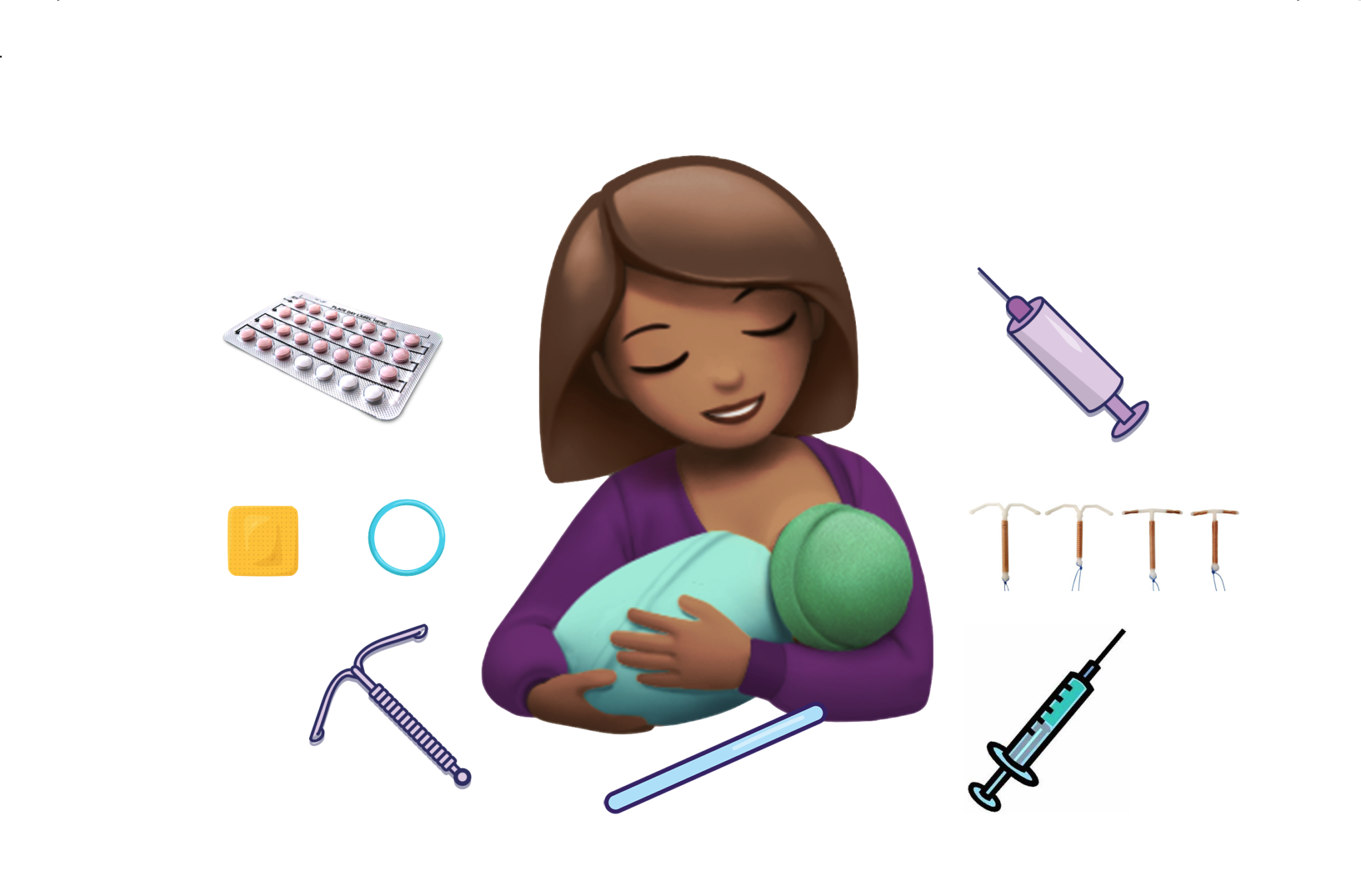
Birth Control After Baby: After having a baby, it is best to wait at least 6 weeks before resuming intercourse. Once you become sexually active again, pregnancy becomes possible. To minimize pregnancy risks, the World Health Organization recommends delaying pregnancy for at least 18 months after giving birth.
Lactation
Many women believe that breastfeeding prevents pregnancy, and it does sometimes. However, relying on lactation to prevent pregnancy is tricky. To be an effective form of contraception, all of the following conditions must be met:
- Less than 6 months postpartum
-
Breastfeeding exclusively with no more than 4 hours in between feedings (no supplementation of any kind, including food)
-
Not having a period. It is important to note that you can ovulate and get pregnant before your first period after birth.
BREASTFEEDING YOUR NEWBORN: WHAT TO EXPECT
Combined-hormonal contraception- the pill, ring, and patch
These forms of contraception contain both estrogen and progesterone. They are not generally recommended for women who are breastfeeding as the estrogen can decrease milk supply. For those who are not breastfeeding, these forms of contraception can be initiated after 6 weeks.
Estrogen-containing birth control increases the risk of blood clots. Women who are less than 6 weeks postpartum should not use this form of birth control. These forms of contraception are about 91% effective at preventing pregnancy.

Copper intrauterine device
This highly effective form of contraception has no hormones and is placed inside your uterus by your doctor. The chance of getting pregnant while using the copper IUD, known as ParaGuard in the US, is less than 1%. Your doctor can insert it in the office and it is effective immediately.
The Paraguard IUD is best for women with light to moderate periods. As it can increase the amount of bleeding during your time of menstruation. Some women also report increased cramping with their periods, though this typically gets better within 6 months of placement. The copper IUD is FDA approved for 10 years of contraception, but research supports effectiveness for up to 12 years.
Progesterone-containing intrauterine device
There are 4 different progesterone containing IUDs on the market in the US. They are all small T-shaped devices that are placed in your uterus by a doctor in a simple office procedure. Placement typically takes under a minute. The IUDs differ in size and progesterone dose. The Skyla and the Kyleena are the smallest in size.
The Skyla has the lowest dose of progesterone hormone and lasts for only 3 years. Higher doses of progesterone mean the IUD works for longer. Also, better able to decrease the amount of menstrual bleeding. The Kyleena is small, like the Skyla, but has a higher dose of progesterone. That is why it works for 5 years and is more likely to decrease or stop your periods.
The Mirena and the Liletta have the highest dose of progesterone. The Mirena lasts for 6 years. Furthermore, 1 in 5 Mirena users no longer have a period after 1 year of use. The progesterone IUDs are over 99% effective at preventing pregnancy. Also, can be used to treat heavy periods and pelvic pain. They are effective within one week of placement. Also, can be removed before their expiration date should you decide to pursue pregnancy or change your mind. Removal is usually a quick and painless process.
HOW TO STRENGTHEN YOUR PELVIC FLOOR AFTER BIRTH
Birth control implant
In the US, Nexplanon is the only available birth control implant. Nexplanon contains progesterone hormone and is the most effective form of contraception available. It is even more effective than getting your tubes tied, though it is not permanent.
The Nexplanon is a small device about the size of a matchstick. That is inserted in the upper arm by a doctor under local anesthesia. Insertion takes only a few minutes, and it prevents pregnancy for 4 years. Most women experience a decrease in their monthly menstrual flow. However, some women have irregular bleeding for the first 6 months or so.
Nexplanon can be removed at any time. Removal, like placement, is typically a simple procedure done in the office with minimal downtime.

Progesterone-only pill
This oral contraceptive, called the “mini-pill” by some. This is a pill that must be taken at the same time every day in order to be effective. Ovulation and pregnancy can occur if you miss a dose by more than 3 hours. For many remembering to take a pill every day at the exact same time is challenging.
This may help explain why it is only 91% effective at preventing pregnancy. On the upside, it does not require a separate office visit for insertion. Like the long-acting reversible contraceptive devices (IUDs and Nexplanon).
Progesterone injection
In the US, Depo-Provera is available as an injection you get every 3 months. This injection of progesterone is 94% effective at preventing pregnancy. It can cause weight gain and cannot be removed once the injection is given.
About the Author:
Join us over at the PB Moms Exclusive Circle. Where we invite healthcare experts to prepare us for life after childbirth and motherhood. Go to: pregnancybeyond.com/exclusive-circle.
Follow PregnancyBeyond on Instagram, Facebook, and Twitter.
The post Birth Control After Baby – Methods And Options appeared first on PregnancyBeyond.
]]>The post High Heart Rate Pregnancy – Know The Risks appeared first on PregnancyBeyond.
]]>High Heart Rate Pregnancy:
The High Heart Rate Pregnancy – Know The Risks, By Sandy Charles, MD.
High Heart Rate Pregnancy – Pregnancy is an amazing time in a woman’s life. There are many changes involving the heart and the circulatory system. That may occur to allow for the development of a healthy baby.
Early in the first trimester, a woman’s body does three important things in order to create an adequate blood supply for the baby:
1) There is an increase in the total amount of blood within the body.
2) blood pressure decreases to help the heart pump more effectively.
3) The heart starts beating faster.
If you have ever had any issues with your heart prior to pregnancy, like abnormal heart valves. These three changes early in pregnancy can sometimes cause major problems later in pregnancy.
If you experience difficulty breathing or significant leg swelling, it is important that you see your doctor immediately. It is also essential that pregnant women get enough rest. Also, avoid intense physical activity since the heart is already working overtime to keep up with your growing baby!
SIGNS OF LABOR TO WATCH OUT FOR
 Because of how blood circulates in our body, the way you sleep can affect how much blood your baby receives during pregnancy.
The best position to ensure that your baby gets the most blood flow as your uterus grows is lying on your left side. On the other hand, lying on your back can significantly decrease the amount of blood flow your baby gets. Because as the uterus grows it can compress on critical vessels in your body.
The fact that blood pressure decreases during pregnancy may cause some pregnant women to feel lightheaded or may even cause some women to faint. In order to avoid this, it is important that you drink plenty of water, avoid long periods of time without eating, and avoid prolonged standing. Always be sure to sit or lie down if you are feeling lightheaded to help prevent you from fainting. Compression socks, which are special socks that help maintain good blood circulation, may also prevent lightheadedness and fainting during pregnancy.
Instead of having a drop in blood pressure during pregnancy, some women develop an abnormally elevated blood pressure, also known as hypertension. Elevated blood pressures later in pregnancy along with signs of organ injury may be caused by preeclampsia, which can place both you and your baby at significant risk and can sometimes be fatal. Preeclampsia sometimes develops without any symptoms, so it is important that you have your blood pressure routinely checked during pregnancy to help avoid any complications.
WHAT YOU NEED TO KNOW ABOUT PREECLAMPSIA
Arrhythmias, which are abnormal heartbeats, are the most common heart abnormality affecting pregnant women. Arrhythmias can cause many women to feel like their heart is racing and they can also cause some pregnant women to feel lightheaded or faint. Always go to your doctor for an evaluation if you feel like you may have an arrhythmia. Your doctor will likely ask you to wear a heart monitor for a day or two in order to assess your heartbeats.
It is also important to limit caffeine intake since increased caffeine intake may sometimes trigger arrhythmias.
Sometimes pregnancy can cause the heart muscle to weaken and the heart’s pumping ability to malfunction, a condition called peripartum cardiomyopathy. Common symptoms of this heart condition include significant difficulty breathing, leg swelling, persistent cough and severe fatigue. The symptoms usually arise toward the end of pregnancy and can sometimes occur up to 5 months after delivery. Thankfully, with the right treatment and medications, a large percentage of women with peripartum cardiomyopathy get better and fully recover.
Tell your provider immediately if you experience these symptoms. If your symptoms are severe or include chest pain, seek immediate medical attention.
Author:
Dr. Sandy Charles is a cardiologist who specializes in women’s heart health. She attended college at Princeton University. She completed medical school and training in Internal Medicine at Columbia University. Also, she completed a fellowship in Cardiovascular Disease at New York University. She works at Novant Health Heart and Vascular Institute in Charlotte, North Carolina. You can follow her on Instagram @drsandycharles
Join us over at the PB Moms Exclusive Circle, where we invite healthcare experts to prepare us for life after childbirth and motherhood. Go to: pregnancybeyond.com/exclusive-circle.
Follow PregnancyBeyond on Instagram, Facebook, and Twitter.
The post High Heart Rate Pregnancy – Know The Risks appeared first on PregnancyBeyond.
]]>The post ICP : “My Story Could Have Ended in Tragedy” appeared first on PregnancyBeyond.
]]>ICP:
“My Story Could Have Ended in Tragedy” By Tenauh Lopez (ICP Care).
June is ICP (Intrahepatic Cholestasis of Pregnancy) Awareness Month, ICP is a medical condition where women experience a very severe itching during pregnancy. PregnancyBeyond has teamed up with ICP Care. To raise awareness of this liver disorder. That develops during pregnancy. In which bile flow is impaired within the liver itself. This condition has been shown to pose a serious risk to the unborn baby.
In today’s post, one mom emphasizes the importance of raising awareness of this pregnancy-specific liver disease.
.
 My story began in 2012, I got married and we wanted kids as soon as possible. We started to try and conceive. I found out on the eve of my wedding that I was pregnant. We were super excited to start our new lives together and raise our future children. Unfortunately, the next day I woke up to heavy bleeding and took another pregnancy test which came back negative. My mother-in-law took me to the emergency room to verify that I had a miscarriage. We were deeply saddened that I had lost the baby. I knew it would happen at the right time. For the next couple of years, we consistently tried to get pregnant and failed. We visited many specialists and fertility doctors.
The test results showed that he had a lot of fertility problems and we would most likely need to do IVF in order for me to become pregnant. I also have Neurogenic Cardiac Syncope and was told I would not be able to have a child naturally. Ultimately, if I was able to conceive it would be a high-risk pregnancy that I would most likely be on bed rest my whole entire pregnancy.
At this time there was a lot of stress and we ended up getting divorced.
After my divorce, I became very depressed and thought I would never have the opportunity of becoming a mother and did not think it was possible due to previous miscarriages and my medical condition. After consistently trying for six years nothing happening you get very doubtful. In 2017, I decided if it doesn’t happen this year naturally I would save up for IVF. I wanted to try one round of it and if it failed my plan would be to adopt.
I was engulfed in my job and living life. Out of the left-field, I started feeling really nauseous. After so many negative pregnancy tests I thought I got a stomach bug. Then I remembered I was late on my period but only a day late and I really didn’t think much of it. Finally, it bothered me so much that I just went and bought a pregnancy test thinking it would be negative. Low and behold the test came back positive.
 I was over the moon excited but worried that I would have a miscarriage again. I had my HCG test every week and I prayed that my numbers were rising and not falling. Further, I didn’t tell anyone that I was pregnant until I reached four months of pregnancy. My dad was the first one I told and he was in utter shock. Because he remembers the call we had a couple of months before. Telling him that I was really seriously considering doing one IVF treatment and adopting.
Around 4 months, I went to the doctor just for a general check-up because I started itching and sneezing. I thought it was just my seasonal allergies. I was taking Benadryl but it wasn’t helping. Also, I got bit by some ants at work and I am allergic too. I just thought it was just a reaction to that. It concerned me though since I was still itching 7 days after I got bit. I noticed that I started itching really bad at night to the point that it was keeping me awake.
My general doctor went on to tell me that during pregnancy this could be something serious with my liver. This scared me a lot and it concerned me knowing how it could affect my unborn baby. He drew blood and ran a blood test to check my bile acids. My OBGYN called me the same day and said to come in because he had drawn blood to do the wrong test. I was deeply
confused. She explained to me that there are two tests. One is to check your levels if you are not pregnant and the other checks your levels when you are pregnant because they vary.
At this point in time, I asked her what is the medical name for this condition that was going on with my liver. She told me Intrahepatic Cholestasis of Pregnancy or ICP. I was on pins and needles while I waited for my test to come back so I googled ICP. The first thing that came up in my search was a music band that paints their faces like clowns. I knew instantly that cannot be the right abbreviation. So I researched the medical name Cholestasis and found a support group ICP Care with a lot of information about this high-risk pregnancy.
A couple of days later my doctor called me back to let me know that I had a diagnosable bile acid level and I would need to start the medicine to treat ICP called Ursodiol. I don’t know which was worse the itching or the medication. My daughter needed monitoring with weekly non-stress test and biophysical profile ultrasounds. Another important part of treatment is early induction. My levels were high enough requiring me to be induced at 36 weeks.
During her biophysical profile ultrasounds, it showed she was measuring two to three weeks smaller than she should be. She measured 4 lbs 2 oz at my last ultrasound. My doctors prepared me for the possibility of her being in NICU for an extended amount of time. Also, they were afraid that her lungs may not be mature enough for her to breathe on her own. Their plan was to give me two steroid shots for lung maturity before induction.
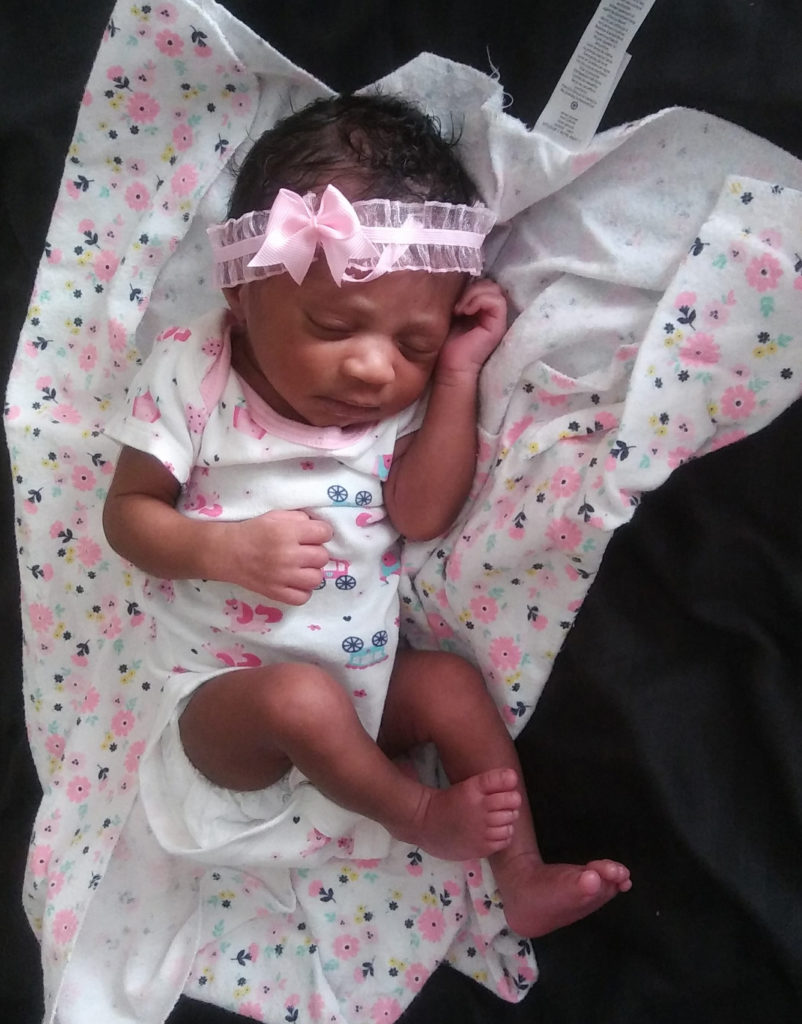
Even with this added stress, I continued to work all the way up until the day I was induced. I started my induction on 3/12/18 at 7:00 am in morning. Lilac May Walker arrived weighing 4 lbs 6 oz at 11:52 pm on 3/13/18. Lilac defied all odds and regulated her temperature, breathing, and blood sugars all by herself. This meant she did not need any NICU time.

After she arrived, I stopped itching momentarily enough to see the scars that were left on my body from itching. After 3 days postpartum the itching returned and is still prevalent which is likely cyclical even though my bile acids are within in range.
Since my experience with Cholestasis of Pregnancy, I will continue to advocate to spread awareness about this condition with high risks for the baby. Many women still go untreated and undiagnosed. Fortunately for me, I asked questions and went to the doctor. If my story in any way will help save lives and create awareness I will continue. My story could have ended in tragedy. But I was lucky enough to be surrounded by a team of physicians, who were educated about the high risks. (Find more info. on ICP here)
READ: HOW ICP CHANGES YOUR PREGNANCY
The ICP Care:

ICP Care is a 501(c)(3) nonprofit determined to help pregnant mothers who experience Intrahepatic Cholestasis of Pregnancy and to deliver healthy babies. ICP Care’s mission is to provide patient support and education. Raise public awareness, support the advancement of research, and improve health care practices. ICP Care helps to connect, support, educate, and empower those affected by ICP – Intrahepatic Cholestasis of Pregnancy.
We do this by raising awareness of the condition, distributing educational materials for patients and medical professionals, and creating a supportive community for friends and families of anyone affected by ICP. We hope that one day, all medical professionals and staff will know the proper protocol for treating Intrahepatic Cholestasis of Pregnancy, resulting in less suffering and healthier ICP babies. Find them on Facebook and at www.icpcare.org
Join us over at the PB Moms Exclusive Circle, where we invite healthcare experts to prepare us for life after childbirth and motherhood. Go to: pregnancybeyond.com/exclusive-circle.
Follow PregnancyBeyond on Instagram, Facebook, and Twitter.
The post ICP : “My Story Could Have Ended in Tragedy” appeared first on PregnancyBeyond.
]]>The post How ICP Changes Your Pregnancy – Worth Every Itch appeared first on PregnancyBeyond.
]]>How ICP Changes Your Pregnancy?
How ICP Changes Your Pregnancy – Worth Every Itch, By Lyndsey Quist (ICP Care).
June is ICP (Intrahepatic Cholestasis of Pregnancy) Awareness Month. ICP is a medical condition where women experience very severe itching during pregnancy. PregnancyBeyond has teamed up with ICP Care to raise awareness of this liver disorder that develops during pregnancy. In which bile flow is impaired within the liver itself. This condition has been shown to pose a serious risk to the unborn baby.
In today’s post, one mom advises on the importance of early detection, diagnosis, and intervention.
.
Last June, during Intrahepatic Cholestasis of Pregnancy (ICP) Awareness Month. I was diagnosed with cholestasis during the third trimester of my second pregnancy. It started at the end of May with mild itching on the soles of my feet. After three nights of no sleep, I turned to Google for support. Assuming that itching on your feet was mild. I was shocked to find out that it was the number one symptom of ICP. A disorder that affects pregnant women and can be fatal to their unborn child. Frantic with worry, I called my midwives as soon as the sun came up. I was surprised when they suggested I come down to labor and delivery that Sunday morning. For some blood work and a non-stress test. I was lucky that my midwife immediately suspected ICP. Also, promised that we would continue testing and monitoring until we had a diagnosis. ICP affects only one in 1,000 pregnancies. Many doctors miss the symptoms or are uneducated about current recommended treatment.
After we confirmed that at 30 weeks my daughter was doing well, I was sent home to wait the several days it would take to get my blood work back. My labs showed elevated liver enzyme numbers but the true indicator of cholestasis is bile acids number above 10. Only a few labs in the country run this blood test and it can take days or even a full week to get results. Symptoms of ICP often start well before your bile acids number are at the diagnostic range. There are many pregnant women that endure weeks of testing and uncertainty before getting a conclusive diagnosis.
Three weeks later I was officially diagnosed with ICP. The diagnosis felt simultaneously like a blessing and a curse. After weeks of waiting and not knowing what will happen with your pregnancy, you now know that you have cholestasis. You can schedule an early induction to lower your risk of stillbirth which increases at 37 weeks gestation. Start the medication Ursodiol which helps to lower your bile acids levels, protecting your baby while in utero. You also start bi-weekly NSTs to make sure your baby is active and thriving. Your doctor appointments quadruple, but if you’re lucky enough to have a team that is knowledgeable about ICP, you feel some relief at having a plan to protect your baby.
The last four weeks of my pregnancy felt long and stressful. At a time when you should be happy and excited about your baby’s arrival, you feel constant anxiety and stress about the health of the baby. For many women like myself, the itching increases in severity. Some days I slept only one or two hours the entire night because I was so uncomfortable. I barely had the energy to care for my active little toddler. There was no energy to prepare my daughter’s room, wash baby clothes, or do ordinary nesting activities. I spent the little mental energy I had arranging care for my son during my endless doctor appointments and upcoming induction. Also, I remember once crying on the phone to his preschool who called to tell me he was upset and needed to be picked up. I was hooked up to a fetal monitor watching as my daughter failed an NST, fearing for my daughter’s life but feeling the guilt of not being there for my two-year-old son when he needed my comfort.
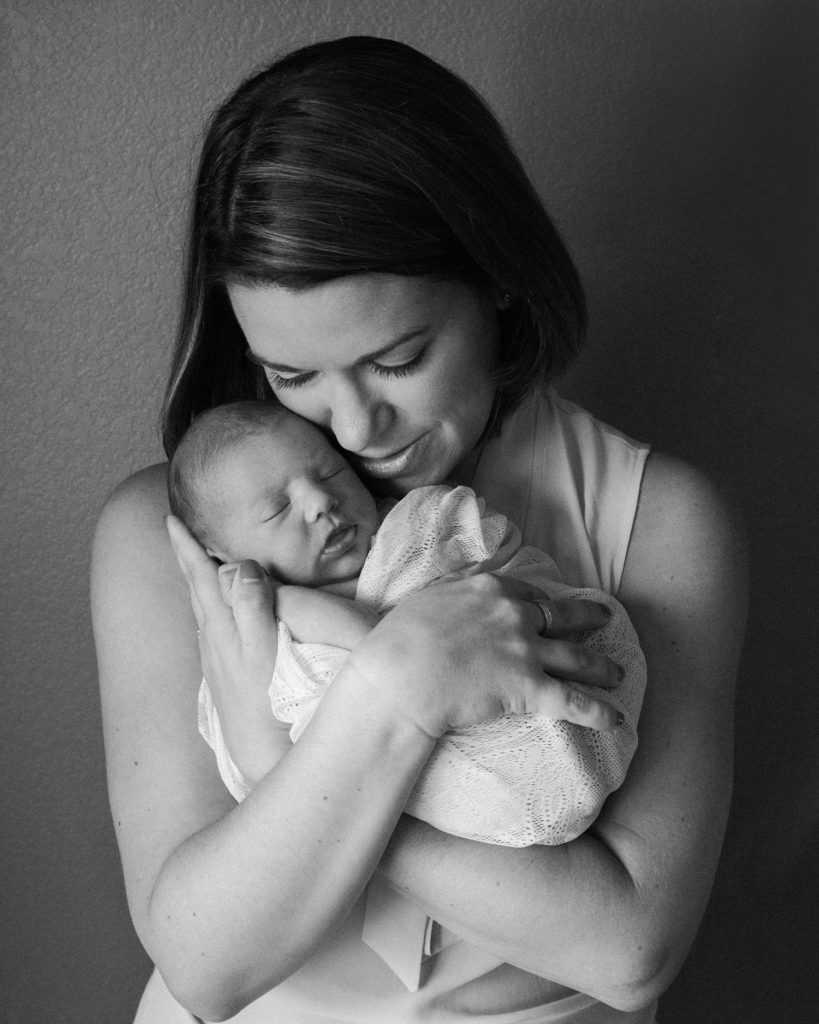
Finally, our induction date arrived. Although I was happy that the induction had finally arrived I was nervous. At 10 pm on a Monday evening, I was given my first dose of Cytotec. After three doses and 16 hours, my labor was not progressing. I was feeling very emotional and exhausted by the hours of unproductive contractions. As I took a break from the induction medication and asked for some time to be alone with my husband, suddenly my water broke naturally and labor progressed quickly. It wasn’t long before I held my beautiful, healthy daughter in my arms.
Two hours after her peaceful entry into this world, the nurses started weighing and measuring my daughter. As the nurses proudly announced each statistic, declaring her good health, my husband snapped photos. I remember that I couldn’t focus on anything they were saying and suddenly I was vomiting and losing consciousness. The nurses and midwives thought I was just responding to postpartum hormone fluctuations and told me not to worry. I continued to get sick and fade out when one of the nurses discovered I was losing a lot of blood. Suddenly everything was happening very quickly. They couldn’t get ahold of a midwife or doctor so my labor and delivery nurse made the lifesaving decision to start me on Pitocin immediately. Despite the Pitocin, I was hemorrhaging quickly and my midwife started to remove the placental pieces that were still inside of me. This procedure was one of the most painful things I had ever experienced but it was life-saving and eventually I was told I was stable. The beautiful moment of my daughter’s birth had been followed by a terrifying hour where I wondered if I survive.
In the ICP community, we have a common saying which is “worth every itch.” There is no better way to explain an ICP pregnancy. So quickly your pregnancy can go from healthy, normal, and exciting to scary. After weeks or months of stress, anxiety, and endless itching, you finally get to hold your sweet baby in your arms and you know without a doubt that every single moment of discomfort and fear was worth it to have this sweet little love in your life. Unfortunately for some families, ICP is not caught in time and they lose their sweet unborn child to a disorder that is very rare. After my own experience, I am so thankful to have had a medical team that was knowledgeable about ICP and to the ICP Care community that provided me with support and information throughout my pregnancy. (Find more info. on ICP here)
ALSO SEE: THE ITCH I FELT WAS LIKE ANTS CRAWLING UNDER MY SKIN
The ICP Care:

ICP Care is a 501(c)(3) nonprofit determined to help pregnant mothers who experience Intrahepatic Cholestasis of Pregnancy and to deliver healthy babies. ICP Care’s mission is to provide patient support and education. Raise public awareness, support the advancement of research. Improve health care practices. ICP Care helps to connect, support, educate, and empower those affected by ICP – Intrahepatic Cholestasis of Pregnancy.
We do this by raising awareness of the condition, distributing educational materials for patients and medical professionals. Also, creating a supportive community for friends and families of anyone affected by ICP. We hope that one day, all medical professionals and staff will know the proper protocol for treating Intrahepatic Cholestasis of Pregnancy. Resulting in less suffering and healthier ICP babies. Find them on Facebook and at www.icpcare.org
Join us over at the PB Moms Exclusive Circle. Where we invite healthcare experts to prepare us for life after childbirth and motherhood. Go to: pregnancybeyond.com/exclusive-circle.
Follow PregnancyBeyond on Instagram, Facebook, and Twitter.
The post How ICP Changes Your Pregnancy – Worth Every Itch appeared first on PregnancyBeyond.
]]>The post My ICP Story – Ants Crawling Under My Skin appeared first on PregnancyBeyond.
]]>ICP Story:
My ICP Story: ‘The Itch I felt Was Like Ants Crawling Under My Skin’, By Lia McKernan ( ICP Care),
Generally, June is ICP (Intrahepatic Cholestasis of Pregnancy) Awareness Month. ICP is a medical condition where women experience very severe itching during pregnancy. For instance, PregnancyBeyond has teamed up with ICP Care to raise awareness of this liver disorder. That develops during pregnancy. Generally, in which bile flow is impaired within the liver itself. This condition has been shown to pose a serious risk to the unborn baby.
In today’s post, one mom warns about the dangers of itching during pregnancy.
.
September 20, 2016, I had the most terrifying and wondrous day of my life. That day, my son Maximilian was born. Max joining us earthside went absolutely nothing as we’d anticipated. A rare and sometimes dangerous diagnosis. Intrahepatic Cholestasis of Pregnancy, at 35 weeks gestation landed me an induction 4 weeks before my due date. I started presenting symptoms about a week before my diagnosis. My main symptom is extreme itchiness all over my body, hands, and feet. I had no accompanying rash.
Don’t Miss: ONE HEARTBROKEN MOM SHARES HER ICP STORY
The best way I can describe the itch I felt was like ants crawling under my skin. After a bit of research and I knew in my gut this was ICP, even before my confirmed diagnosis. Untreated ICP pregnancies have a host of risks. Including meconium staining, preterm labor and delivery. Also, fetal distress, maternal hemorrhage, respiratory distress syndrome, and the risk of stillbirth skyrockets to 15%. My husband and I went from hope, joyful anticipation, and relative calm, to fear, worry, and panic. We needed to get this baby out safely, and we needed to do it immediately. All the natural birthing classes, breathing exercises. Even working with our supportive doula could never come close to preparing us for this.
We checked into the hospital on the evening of September 18, 2016. I remember feeling so incredibly relieved to arrive. Because that meant I’d be hooked up to a fetal heart rate monitor until our baby was born. From the moment I suspected my symptoms were from cholestasis to my confirmed diagnosis. To the second before I was hooked up to that monitor. I was a wreck. I would obsess over every movement, every kick I felt or didn’t feel. Also, I was terrified to go to sleep each night. Fearing if I wasn’t awake to constantly monitor movements, our baby may not make it to the morning. But here we were, finally, after what seemed like a lifetime from hearing the word ‘cholestasis’. 40 hours of labor later, with several interventions and little progress, we made the call. Get. this. baby. out. now.
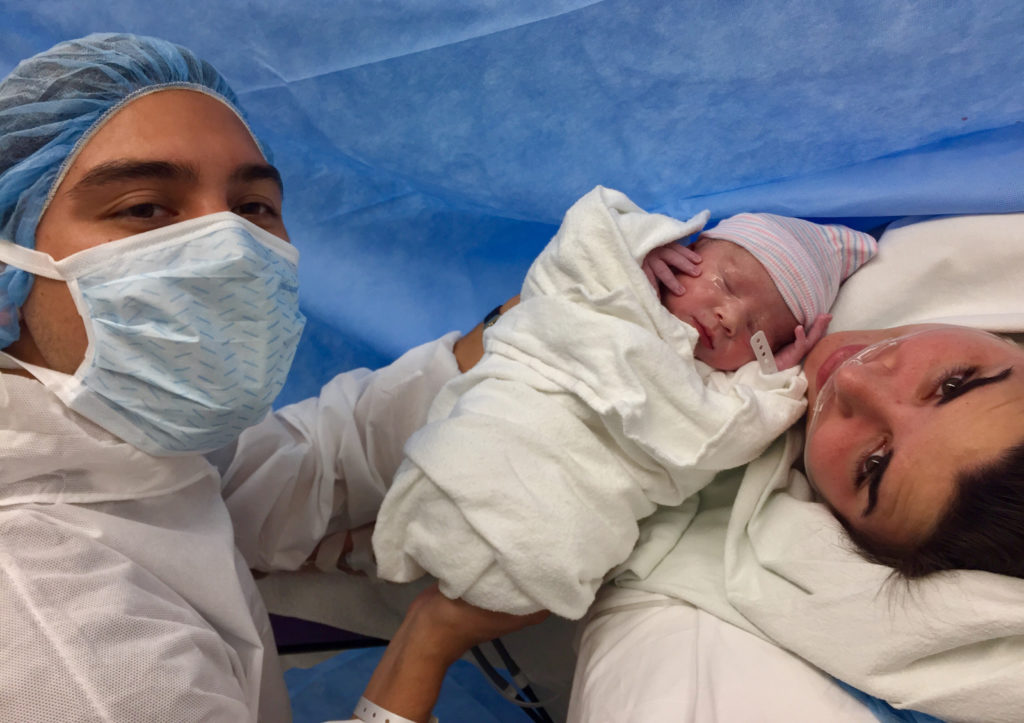
Maximilian William was born via cesarean section Tuesday, September 20, 2016, at 1:51 pm. 7 pounds, 10 ounces – at 36 weeks! Can you believe it? We did it. We made it. And here we are, almost two gorgeous, exhausting, perfect years later. I love you wholly, unconditionally, and ever so fiercely, my miraculous Max. (Find more info. on ICP here)
The ICP Care:
ICP Care is a 501(c)(3) nonprofit determined to help pregnant mothers who experience Intrahepatic Cholestasis of Pregnancy and to deliver healthy babies. ICP Care’s mission is to provide patient support and education. Raise public awareness, support the advancement of research, and improve health care practices. ICP Care helps to connect, support, educate, and empower those affected by ICP – Intrahepatic Cholestasis of Pregnancy.
We do this by raising awareness of the condition. Distributing educational materials for patients and medical professionals. Also, creating a supportive community for friends and families of anyone affected by ICP. We hope that one day, all medical professionals and staff will know the proper protocol for treating Intrahepatic Cholestasis of Pregnancy. Resulting in less suffering and healthier ICP babies. Find them on Facebook and at www.icpcare.org
Join us over at the PB Moms Exclusive Circle. Where we invite healthcare experts to prepare us for life after childbirth and motherhood. Go to: pregnancybeyond.com/exclusive-circle.
Follow PregnancyBeyond on Instagram, Facebook, and Twitter.
The post My ICP Story – Ants Crawling Under My Skin appeared first on PregnancyBeyond.
]]>The post My ICP Story: ‘A Very Serious and A Deadly Condition’ appeared first on PregnancyBeyond.
]]>ICP Story:
My ICP Story: ‘A Very Serious and Potentially A Deadly Condition’, By Crystal Abram (ICP Care).
In general, June is ICP (Intrahepatic Cholestasis of Pregnancy) Awareness Month. ICP is a medical condition where women experience very severe itching during pregnancy. For instance, PregnancyBeyond has teamed up with ICP Care to raise awareness of this liver disorder. That develops during pregnancy. Particularly, in which bile flow is impaired within the liver itself. Also, this condition has been shown to pose a serious risk to the unborn baby.
In today’s post, one heartbroken mom shares her story.
Oh, that infamous ‘itch’ that some proclaimed to be normal while pregnant. 2016 was a very exciting time for my husband and me. As we found out we were going to have a precious baby girl. Around 15 weeks, I had very intense itching that went on for weeks, and all I was told, was ‘oh it’s part of pregnancy’. Weeks went on and I continued to believe it was part of pregnancy.
Three weeks went by and the itch was worse. I looked up online intense itching while pregnant, and that’s when I learned about Intrahepatic Cholestasis of Pregnancy (ICP). This was foreign to me, I had never heard of this. I had a 2-year son at home, and I never had this condition with him. That same day I called my doctor’s office and begged to get tested. Because based on what I read about this high-risk pregnancy condition. It was a very serious and potentially deadly condition for my unborn daughter.
I went in for labs, and two days later I received my blood test results confirming the diagnosis of ICP. My bile acid blood test results were 72, and I prescribed the medicine to help reduce the bile acids. I started taking 500 mg of Ursodiol one time a day. I went in for follow up appointments over the next few weeks and for a routine ultrasound at 28 weeks. Unfortunately, that’s when it was discovered my precious daughter, Victoria didn’t have a heartbeat. I felt like I was in a dream, and that I was desperately wanting to wake up from. As I sat in the doctor’s office, I was avoiding the phone call I had to make to my husband while he  was at work that morning. I called my sister-in-law first with the bad news, and once she arrived, we called my husband and told him. I waited there at the doctor’s office until my husband arrived. On Friday, May 13th, 2016, we went in to have our daughter. I never thought in a million years, that instead of leaving the hospital with our daughter in a car seat, I left with a box of pictures of her being stillborn.
The doctors initially didn’t want to test me for this because based on the statics this condition is typically seen or diagnosed during the last trimester. I was told that the next time I get pregnant they will test me for ICP asap and not wait. In August 2017, we found out we were expecting again, and at the doctor’s office, I was immediately tested for ICP at 6 weeks pregnant. My bile acids were already at 14. I was immediately started on the correct dosage of Ursodiol, at 900 mg a day, and referred to Maternal-Fetal Medicine.
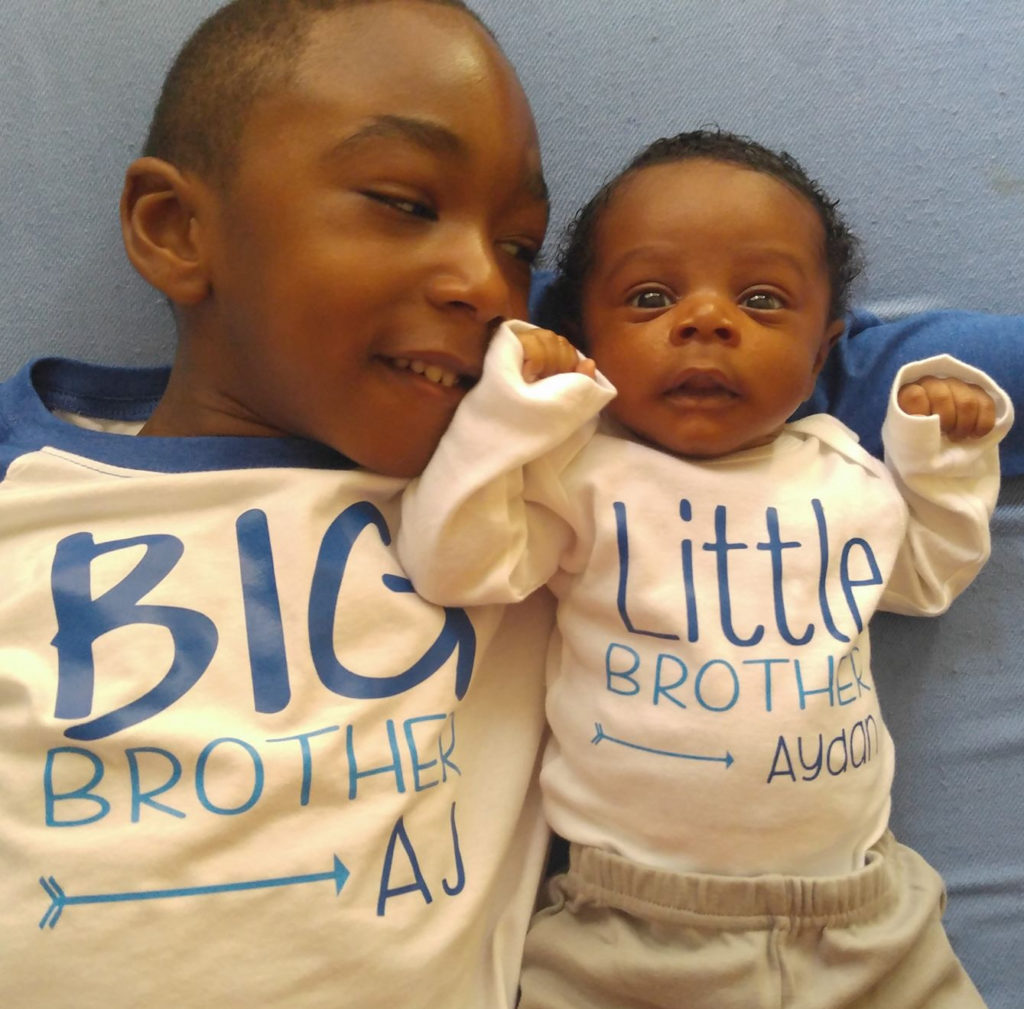
These high-risk pregnancy specialists have experience in the proper treatment and management of Cholestasis of Pregnancy. With this pregnancy, there was a much better game plan set. I had scheduled Non-Stress Tests- (NST) and Bio Physical Profiles (BPP) done throughout the pregnancy, and the plan delivers by 37 weeks, due to my previous stillborn daughter. The highest my bile acid got with this pregnancy was 20, and my medication was increased to 1200 mg a day. The doctors continued to monitor and watch our son, and I delivered a healthy baby boy Aydan at 36 weeks and 3 days weighing 5 pounds and 1 ounce.
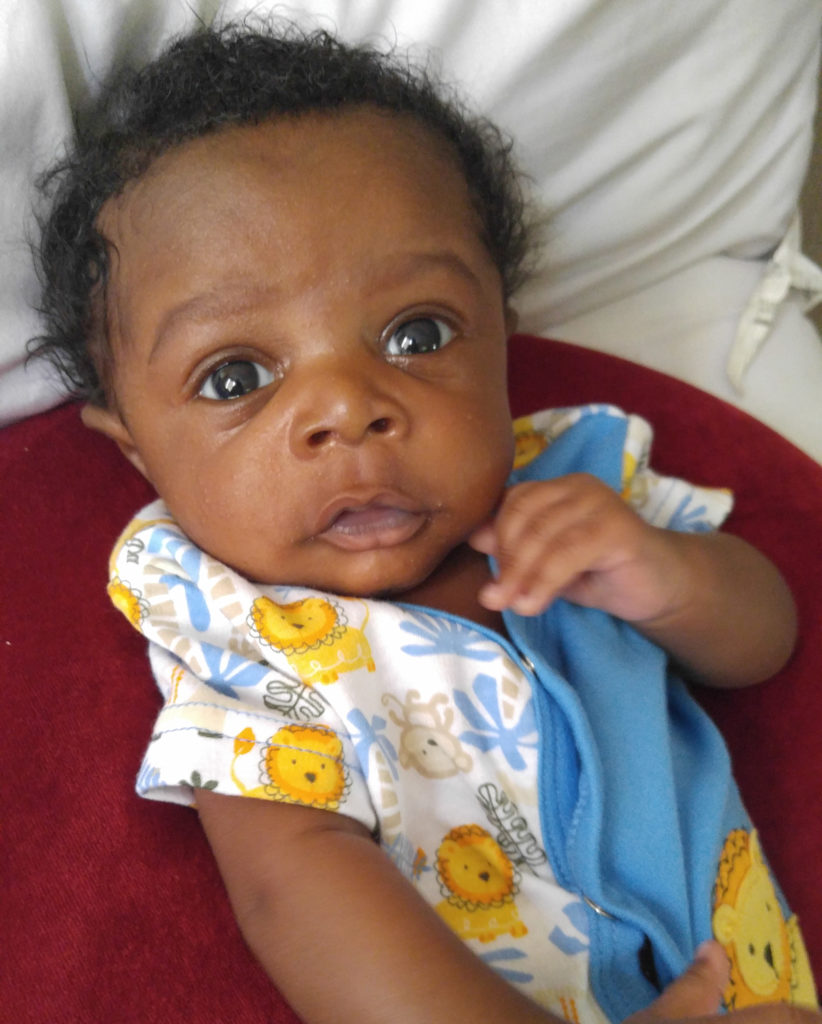
My hopes are with more research there will be a cure in the future for ICP. My experience is one that no Mother wants to only have pictures of a memory of their child. I would advise any expectant mom to continue to fight to be tested, and don’t let anyone say ‘Oh it’s normal to itch intensely while you’re pregnant’. Please always advocate for yourself and your unborn child! (Find more info. on ICP here)
About The ICP Care:
ICP Care is a 501(c)(3) nonprofit determined to help pregnant mothers who experience Intrahepatic Cholestasis of Pregnancy and to deliver healthy babies. ICP Care’s mission is to provide patient support and education. Raise public awareness, support the advancement of research, and improve health care practices. ICP Care helps to connect, support, educate, and empower those affected by ICP – Intrahepatic Cholestasis of Pregnancy.
We do this by raising awareness of the condition, distributing educational materials for patients and medical professionals, and creating a supportive community for friends and families of anyone affected by ICP. We hope that one day, all medical professionals and staff will know the proper protocol for treating Intrahepatic Cholestasis of Pregnancy, resulting in less suffering and healthier ICP babies. Find them on Facebook and at www.icpcare.org
Join us over at the PB Moms Exclusive Circle, where we invite healthcare experts to prepare us for life after childbirth and motherhood. Go to: pregnancybeyond.com/exclusive-circle.
Follow PregnancyBeyond on Instagram, Facebook, and Twitter.
The post My ICP Story: ‘A Very Serious and A Deadly Condition’ appeared first on PregnancyBeyond.
]]>The post IVF Process Can Differ for Women With Endometriosis appeared first on PregnancyBeyond.
]]>IVF Process Can Differ for Women With Endometriosis:
How the IVF Process Can Differ for Women With Endometriosis, by Joanie Cox-Henry (Endometriosis Foundation of America).
March is Endometriosis Awareness Month. PregnancyBeyond has teamed up with EndoFound to raise awareness of this disorder. Also, fertility health issue that affects millions of women worldwide.
This article discusses the impact of endometriosis on IVF outcomes.

As The Blossom recently reported, having endometriosis and conceiving the old-fashioned way, can have its difficulties, but with a little help from in vitro fertilization, experts say endo women can have a higher success rate with conception.
However, the IVF process can differ from endometriosis present. Because doctors interviewed by The Blossom say they take care to not worsen the condition. With the introduction of additional hormones in the body.
Dr. Mark Surrey, co-founder and medical director of the Southern California Reproductive Center. Who specializes in fertility and reproductive medicine. Says that prior to beginning ovarian stimulation, which is necessary for egg retrieval. He advises women with endometriosis to undergo laparoscopic excision surgery to excise endometriomas. Or endometriosis-filled cysts, “three to four centimeters or larger.”
To start the IVF process in a woman without endo, Surrey says he typically gives Lupron and progesterone-based oral contraceptives to begin the follicle stimulation process. But for women with endometriosis, he instead administers Ganirelix or Cetrotide, which prevents premature ovulation ahead of egg retrieval, because, he says, it doesn’t have a “flare phase,” or cause an endo flair-up, and promotes adequate follicular development.
Dr. Jessica Chan, a fertility specialist in Obstetrics at Cedars-Sinai in Los Angeles, says she, too, recommends a conservative laparoscopic excision surgery to remove endometriomas before beginning a cycle of IVF. If the cysts are under four centimeters, she says she typically leaves those alone and simply monitors them. “Egg quality and quantity decline with age,” Chan tells The Blossom. “Endometriomas can take over the architecture of the ovary. The sooner women can seek help, the better.” That’s not all Chan is mindful of. Once the IVF process begins, “it can increase levels of estrogen, which can cause endometriosis to flare,” Chan said. “However, it’s a short time that patients have to be on those protocols. I’m very careful about monitoring pain symptoms in patients with endometriosis during ovarian stimulation.”
SEE ALSO: ENDOMETRIOSIS AND CONCEPTION
Director of Reproductive Endocrinology and Infertility at Lenox Hill Hospital, Dr. Tomer Singer, has found that patients with endometriosis typically need double the number of cycles to achieve viable pregnancy through IVF. This is often due, he says, to diminished egg quality.
“We tend to monitor patients with endometriosis more frequently,” Singer said. “During ovarian stimulation in endometriosis patients, I typically use Letrozole, which reduces estrogen levels. I also use Lupron, which helps pelvic pain. Lupron is typically used 35 hours before egg retrieval.”
Singer recommends women check out Sartcorsonline.com/Predictor/Patient and enter some information to predict success rates with assisted reproductive technology. For women with endometriosis, the calculator also provides a specific box to check off. Despite the wonders of assisted reproductive technology, Singer admits that there’s no better savior in the face of endometriosis and fertility than time itself. “If you have endometriosis, we encourage freezing eggs at a younger age,” Singer adds. “If a patient freezes eggs at age 30,” he says, “they have a 50 percent IVF success rate.” (Article was first published here)
About EndoFound: The Endometriosis Foundation of America strives to increase disease recognition, provide advocacy, facilitate expert surgical training, and fund landmark endometriosis research. Engaged in a robust campaign to inform both the medical community and the public, the Endofound places particular emphasis on the critical importance of early diagnosis and effective intervention while simultaneously providing education to the next generation of medical professionals and their patients.
Join us over at the PB Moms Exclusive Circle, where we invite healthcare experts to prepare us for life after childbirth and motherhood. Go to: pregnancybeyond.com/exclusive-circle.
Follow PregnancyBeyond on Instagram, Facebook, and Twitter.
The post IVF Process Can Differ for Women With Endometriosis appeared first on PregnancyBeyond.
]]>The post Getting Pregnant With Endometriosis appeared first on PregnancyBeyond.
]]>Getting Pregnant With Endometriosis:
Getting Pregnant With Endometriosis: What You Need to Know, by Joanie Cox-Henry (Endometriosis Foundation of America),
March is Endometriosis Awareness Month. PregnancyBeyond have teamed up with EndoFound to raise awareness of this disorder. Also, fertility health issue that affects millions of women worldwide.
This article discusses what you should know about getting pregnant when you have endometriosis.

Getting pregnant and delivering a healthy, bouncing baby is something that, sadly, many women with endometriosis may never experience. The statistics can be even more sobering, with one study claiming that women with mild cases of the disease have only a 2 to 4 percent chance of getting pregnant each month compared to the 15 to 20 percent chance women without the disease have.
But for those who can conceive, what can be the happiest time of their lives can quickly turn into the scariest.
“Women with endometriosis are at risk for preterm labor, hypertension, and pre-eclampsia,” Dr. Jessica Chan, a fertility specialist in the Department of Obstetrics at Cedars-Sinai in Los Angeles, tells The Blossom. “Bleeding during the pregnancy can also be scary, and there is a higher risk for c-section in the end.”
Time is also unkinder to the endo woman hoping to become a mom.
“Between the ages of 32 and 37, women can have as much as a 50 percent decline in fertility,” says Dr. Mark Surrey, co-founder and Medical Director of the Southern California Reproductive Center. “For women with endometriosis, egg quality and quantity can especially be affected.”
ALSO SEE: “WE BEAT INFERTILITY “
Dr. Tomer Singer, Director of Reproductive Endocrinology and Infertility at Lenox Hill Hospital in NYC, has also seen women with endometriosis experience a slightly increased risk for miscarriage. “With endometriosis, a dilated fallopian tube can flush an embryo out. Endometriosis often goes hand-in-hand with adenomyosis, a condition in which endometrial tissue, which normally lines the uterus, exists within and grows into the muscular wall of the uterus.”
Singer said this could give the uterus a Swiss cheese-like appearance with a lot of black holes in the glands and muscles. “It increases the risk of failed implantation and early miscarriage in the first eight weeks of pregnancy.”
Many patients experience increased pelvic pain as their pregnancy closes in on the 40-week mark. “Ovaries can be enlarged because of endometriomas and adenomyosis can cause the uterus to be physically larger,” adds Singer, which can cause additional pain.
Still, all is not lost for endo women hoping to conceive, as many continue to defy the odds and welcome motherhood. “Some patients have Stage III or IV Endometriosis in their bladder or uterus and end up needing surgery before they can safely conceive. In some more severe cases, a patient can better benefit from a gestational carrier.” (Article was first published here)
About EndoFound: The Endometriosis Foundation of America strives to increase disease recognition. Provide advocacy, facilitate expert surgical training, and fund landmark endometriosis research. Engaged in a robust campaign to inform both the medical community and the public. The Endofound places particular emphasis on the critical importance of early diagnosis and effective intervention. While simultaneously providing education to the next generation of medical professionals and their patients.
Join us over at the PB Moms Exclusive Circle. Where we invite healthcare experts to prepare us for life after childbirth and motherhood. Go to: pregnancybeyond.com/exclusive-circle.
Follow PregnancyBeyond on Instagram, Facebook, and Twitter.
The post Getting Pregnant With Endometriosis appeared first on PregnancyBeyond.
]]>The post Pregnant With Endometriosis – My Scary Pregnancy appeared first on PregnancyBeyond.
]]>Pregnant With Endometriosis:
Pregnant With Endometriosis – My Super Scary Pregnancy, by Joanie Cox-Henry (Endometrorises Foundation of America)
March is Endometriosis Awareness Month, and we at PregnancyBeyond have teamed up with EndoFound to raise awareness of this disorder and fertility health issue that affects millions of women worldwide.
In today’s post, one mom shares her story of living as pregnant With Endometriosis.
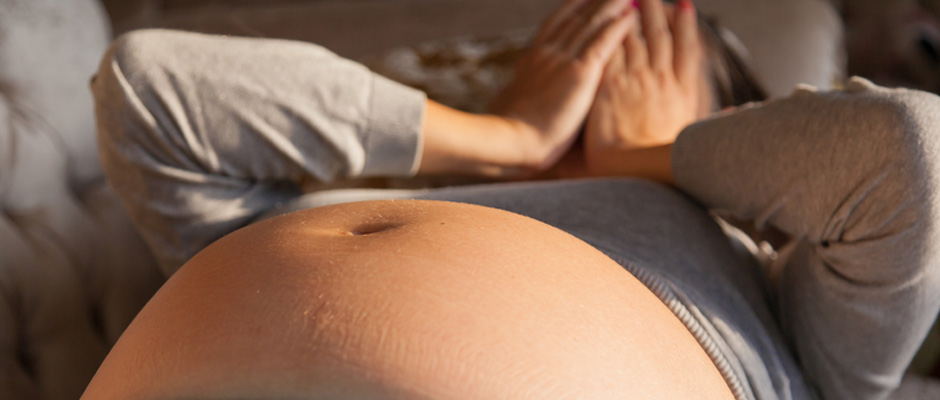
Being pregnant at 37 comes with its own bag of stress factors, including being labeled a “geriatric mother” à la Bridget Jones. But being pregnant at 37 with endometriosis takes the worry factor to skyscraper heights. I should be worrying about what theme I want to make my baby’s nursery or which baby shampoo is safest to use, but instead, I’m on a merry-go-ground of doctor’s appointments and fear that has left me Googling until the wee hours of the morning.
Before I could even consider trying to safely conceive, I had to endure countless painful tests and multiple surgeries to remove a uterine fibroid the size of a six-month-old fetus and a chocolate cyst that choked out my left ovary, which my doctor removed. I miraculously gave birth to my first son in 2014 at the age of 34. I was given a less than 13 percent chance of ever conceiving and IVF was never an option for me because the drugs I would’ve had to take were going to make my endometriosis spread like wildfire.
But after a lot of specialized care and prayer, I beat the odds and delivered a healthy 8-pound, 9-ounce bundle of joy.
Three years later, I was overjoyed to become pregnant again. But with much more concern this time about complications due to my age and a more advanced case of endometriosis. Every time I peed, I was terrified I was going to see blood. On Dec. 15, my worst nightmare came true. I got my son dressed to take photos with Santa at our local mall. I decided to hit the bathroom one more time before heading out.
When I reached down to wipe myself, a meteor shower of bright red blood and large clots washed over my hand. I immediately burst into tears and felt completely paralyzed. I was eight weeks pregnant at the time and still very much in the danger zone for miscarriage. Also, I had recently remembered reading an article. Which said women with endometriosis are 76 percent more likely to have a miscarriage than women without the condition. Knowing the facts, I felt like hope was literally going down the toilet.
I gently placed the largest clot, which was about the size of a 5-ounce steak, on a tissue near my sink, and wondered: “Is this, my baby?” It was the worst feeling I had ever felt. I was helpless—frozen on my toilet convinced my miracle had just disappeared. My fingers cramped up as I attempted to dial my husband, who was still at work, and my aunt Maryann, who I was planning to pick up on my way to the mall. I could hardly speak. “I think I’m having a miscarriage,” I wailed into the phone.
My aunt told me not to move and that she was on her way. My granny came to watch my 3-year-old son as Maryann picked me up and drove me to the ER. As I walked in, with blood pouring down between my legs, I tried with every cell in my body not to let any more of that blood spill out. A nurse immediately got me a wheelchair once he realized the condition I was in.
I was quickly taken to a bed, administered an IV, and assured a doctor was coming to check on me. As I lay there, I sobbed thinking of all the maternity clothes I had just ordered from Old Navy and how I didn’t want to even open the packages if I was, in fact, having a miscarriage. My heart remained optimistic while my mind took me to a dark place where I was contemplating if I should start planning my baby’s funeral. I didn’t even know if it was a girl or boy yet, but this child already had my heart. If need be, in that instant, I would’ve traded my life. I cried, I cursed, and I prayed silently in my head as I waited for answers.
After about 40 minutes, which seemed like an eternity. I was rolled into a sonogram room. Where the sonogram tech was stoic and harder to read than a Calculus book. “What’s happening?” I pleaded.
“Is my baby still alive? Can you see my baby?”
She urged me to calm down and told me she wasn’t allowed to tell me anything until the doctor came in. “Please, I am begging you to tell me something. I feel broken. Is my baby alive?”
And then, she showed me his beautiful little body with his arms and legs perched in battle mode. The child seriously appeared to be posed in the stance of the Fighting Irish leprechaun from Notre Dame. An ocean of relief washed over me. I was too thankful to speak. I just let out a big cry of gratitude.
When the ER doctor met with me and examined me, he determined it was likely a hematoma. His prognosis was very matter-of-fact. “It’s either going to be ok, or it’s not,” he said. “Let’s stay positive and hope for the best.”
I was then handed a bunch of papers with the terminology “Threatened Abortion” on them. My pregnancy was now like a dangling treasure almost out of reach and balancing off a cliff. It was hard to stay calm and take it easy, but in the following weeks, I had no choice but to do just that. I was placed on pelvic rest and had to refrain from exercise, sex, and other activities I normally did.
I am now five months pregnant with my little boy who I have lovingly nicknamed “The Fighting Irish”. Because he is a fighter just like I am. I am still high risk and routinely visit a perinatologist now in addition to constant visits to my OB-GYN. Endometriosis has caused my pregnancy to be a rollercoaster ride, including causing false positives on tests and causing me more pain than if I didn’t have the disease. I’ve also been warned: antepartum bleeding tends to be more common among women with endometriosis. But my baby and I are survivors, and while I’m not out of the woods just yet, I’m not out of hope and strength, either.
We’re in this together. ( Article was first published here)
ALSO SEE: TIPS FOR DEALING WITH MORNING SICKNESS
About EndoFound: The Endometriosis Foundation of America strives to increase disease recognition, provide advocacy, facilitate expert surgical training, and fund landmark endometriosis research. Engaged in a robust campaign to inform both the medical community and the public. The Endofound places particular emphasis on the critical importance of early diagnosis and effective intervention. While simultaneously providing education to the next generation of medical professionals and their patients.
Join us over at the PB Moms Exclusive Circle. Where we invite healthcare experts to prepare us for life after childbirth and motherhood. Go to: pregnancybeyond.com/exclusive-circle.
Follow PregnancyBeyond on Instagram, Facebook, and Twitter.
The post Pregnant With Endometriosis – My Scary Pregnancy appeared first on PregnancyBeyond.
]]>The post Endometrioses Success Story: Every Night I Prayed For My Baby appeared first on PregnancyBeyond.
]]>Endometrioses Success Story:
Endometrioses Success Story: “Every Night I Prayed For My Baby”, By Shenna Foster (Endometriosis Foundation of America).
March is Endometriosis Awareness Month. PregnancyBeyond has teamed up with EndoFound to raise awareness of this disorder. Also, fertility health issue that affects millions of women worldwide.
Today’s post is an endo success story; Reporter Diana Falzone is pregnant with a boy!
Reporter Diana Falzone has a bun in the oven!
Falzone, 35, reveals that she is four months pregnant with a boy.
“Every night I prayed for this child and to now see him on sonograms is a miracle”. Falzone tells The Blossom exclusively.

It’s a joyous surprise for the reporter who has been outspoken with her endometriosis struggle. “I’m still kind of shocked, honestly,” she says. “I have a bump, and I’ll brush my hand and be in disbelief that it’s there. I’m acutely aware of how many women struggle to conceive and don’t have that opportunity. I’ve been blessed. Every single week that goes by I’m closer to meeting my baby boy, and I’m so excited.”
The road to motherhood has been a bumpy one for the TV personality.
Back in February 2016, she had her first endometriosis-related excision surgery after months of dead-end doctor visits.
Then, in June 2017, Falzone was rushed into yet another excision surgery, where doctors discovered her uterus was fused to her abdomen.
Despite those setbacks, Falzone tells The Blossom she remained determined to one day become a mother, no matter what.
“When I was told I was infertile, I was, of course, heartbroken, but after the initial shock, I was determined to become a mother whether it meant biologically or through adoption. I was going to exhaust my options until I didn’t have any.”
After starting hormone therapy in September and embryo transfer in November, Falzone was forced to wait. “You have to tell yourself that whatever happens, you’ll be okay with it. Whatever is meant to be is meant to be. And there’s a high failure rate. It’s an incredibly stressful time, it’s very emotional, and it’s very scary.”
Falzone says it isn’t lost on her how lucky she is to conceive despite having endometriosis. “I have heard from women. Who had to have hysterectomies due to endo and lost their dream of having a child. They are on my mind always. I hope the more the endo community continues to speak up, we will make a tremendous change, and a cure will happen in our lifetime.” ( Article was first published here)
ALSO SEE: MOM OF TRIPLETS PENS EMOTIONAL LETTER TO INFERTILITY
About EndoFound: The Endometriosis Foundation of America strives to increase disease recognition. Provide advocacy, facilitate expert surgical training, and fund landmark endometriosis research. Engaged in a robust campaign to inform both the medical community and the public. The Endofound places particular emphasis on the critical importance of early diagnosis and effective intervention. While simultaneously providing education to the next generation of medical professionals and their patients.
Join us over at the PB Moms Exclusive Circle. Where we invite healthcare experts to prepare us for life after childbirth and motherhood. Go to: pregnancybeyond.com/exclusive-circle.
Follow PregnancyBeyond on Instagram, Facebook, and Twitter.
The post Endometrioses Success Story: Every Night I Prayed For My Baby appeared first on PregnancyBeyond.
]]>