The post 3 Tips To Sleep Better During Pregnancy appeared first on PregnancyBeyond.
]]>3 Tips To Sleep Better During Pregnancy
Hey pregnant ladies — now you have one more reason to try and get a good night’s sleep. Here are proven tips to sleep better during pregnancy! Poor sleep can disrupt your baby’s immune system as well as lead to a lower birth rate and other complications. It can be almost as hard to get a good night’s sleep when you’re pregnant as it is when you’re a new parent.
So future mamas now is the time to get plenty of sleep! Okay? Okay.
1️⃣. Work with your doctor. This should probably be your first step, before trying any home remedies. There may be significant health issues or symptoms that are causing your sleeplessness (besides pregnancy, which is not a medical condition, I know). And your doctor will know about any complications you should be aware of.
2️⃣Set the stage. Before you go to bed, dim the lights and try to limit your screen time. Reading a book or magazine before bed will better help your mind to relax. Make sure your bedroom is cool. Don’t bring anything work-related into your bedroom if you can help it, and definitely not into bed with you.
3️⃣. Get some exercise. There are many reasons to exercise during pregnancy — one of them is that it will help you sleep better. Exercise in moderation and check with your doctor about any modifications you should make. Even walking and yoga will help.
To learn more about steps to take and what not to do to have a blissful nights sleep, get a copy of our best-selling Pregnancy Sleep Plan HERE
You will able to
- Reduce the risk of birth complications
- Achieve a healthy pregnancy and a healthy baby
- Be more energized and be in a better mood
- Improved focus and stay attentive
- Say goodbye to the vicious cycle of sleepless nights. Sleep well, maintain a positive outlook, and restore the healthy pregnancy you deserve— for good!
You will no longer have to
- Experience a depressed mood and anxiety problems
- Resort to unnatural sleep patterns
- Deal with pregnancy aches and pains preventing you from having a restful sleep
- Stare at the clock, toss and turn for hours when sleep eludes you
- Resort to pills that may adversely affect the healthy development of your baby.
Get your PREGNANCY SLEEP PLAN here!
Join us at the PB Moms Exclusive Circle, where healthcare experts prepare you for life after childbirth and motherhood. Go to: pregnancybeyond.com/exclusive-circle.
Follow PregnancyBeyond on Instagram, Facebook, and Twitter.
The post 3 Tips To Sleep Better During Pregnancy appeared first on PregnancyBeyond.
]]>The post Pregnancy Nutrition : The Importance of Protein appeared first on PregnancyBeyond.
]]>Pregnancy Nutrition:
Pregnancy Nutrition: The Importance of Protein By Andrea Short.

The pregnancy nutrition is vital for the health and wellness of you and your developing baby. In this article, Andrea Short, a Maternity Nutrition and Wellness Specialist discusses the importance of including protein in your pregnancy diet.
.
A developing baby depends 100% on the mother’s nutritional intake, so it’s important to eat a diet that is nourishing to you and your baby. One nutrient that is very important to increase during pregnancy is protein, as this is vital to ensure a healthy outcome.
During pregnancy, your whole body is changing; your uterus, breasts, the placenta, and fetus. Your baby changes and develops by leaps and bounds on a weekly basis, which requires a jump in the amount of protein you need.
This protein helps grow the new tissues and organs, assists in forming the hair, nails, and bones, helps with milk production and encourages healthy blood production, which increases by 50-60% during pregnancy. The second and third trimesters are when you and your baby are growing the fastest, and consequently, the demands for protein peaks.
What is protein?
Protein is a macronutrient that is made up of amino acids, which are the fundamental building blocks of your cells as well as your baby’s. Not only do you need extra protein to accommodate these growing tissues, but also to avoid consequences of lack of protein such as weakness, fatigue, gestational diabetes, and pre-eclampsia; and consequences for your baby including poor muscle and joint development, muscle or bone deformities, miscarriage, brain damage, and a high risk of birth defects.
It’s common for women to develop gestational diabetes during pregnancy, but eating a diet rich in protein can help lower your risk significantly. Swings in your blood sugar will cause symptoms such as fatigue, dizziness, weakness, nausea, fainting, and hunger pains. While pregnancy already produces these symptoms, they escalate when your blood sugar is not stable. Increasing your protein can keep your blood sugar from spiking and dipping, which is dangerous for you and your baby.
It has been suggested that a diet rich in protein can help reduce the risk of pre-eclampsia, which is a dangerous condition that causes high blood pressure, edema, migraines, shortness of breath, and abdominal pain, among other symptoms.
RELATED: WHAT TO EAT WHILE PREGNANT
Many women experience nausea, or morning sickness, during their pregnancy. Women can experience this anytime of the day and during any trimester. Due to nausea, many women don’t, or can’t consume the recommended amount of calories each day. Because of this, I recommend a high-quality protein shake if this is something you can keep down. This is a great way to take in a good amount of calories and protein, and can optionally add in other ingredients such as healthy fats, omega 3’s, fruits, and vegetables. Boosting your protein this way can help ensure you are meeting the daily requirements for you and your growing baby.
The majority of women need a minimum of 75 grams of protein per day when pregnant. Depending on the individual’s weight and physical activity levels. Needs can be as high as 100 grams per day or more. Great sources of protein include meat, poultry, fish, beans, eggs, milk, nuts, and tofu. Keeping a high-quality protein powder on hand can help fill in the gaps where your diet is lacking.
In conclusion, protein is an essential macronutrient that plays a key role in pregnancy. Not only to assist in developing you and your baby. But also to help avoid unwanted symptoms that can further complicate your pregnancy.
About the Author:
Andrea Short is a Maternity Nutrition & Wellness Specialist and Pre & Postnatal Fitness Specialist. She works with women during all stages of pregnancy and beyond to help them have a healthy pregnancy and baby. Working with postpartum women to strengthen, heal, and build confidence is a huge component of her work. She focuses not only on nutrition and fitness but the overall health and wellbeing of each individual. She is the go-to support system for moms like you for nutrition. Also, fitness, and feeling your best so you can be the best mom for your little ones! Join her private Facebook group here; Like her Facebook page here; Follow her on Instagram here; Contact her here: www.andreashortwellness.com
Join us at the PB Moms Exclusive Circle. Where we invite healthcare experts to prepare us for life after childbirth and motherhood. Go to: pregnancybeyond.com/exclusive-circle.
The post Pregnancy Nutrition : The Importance of Protein appeared first on PregnancyBeyond.
]]>The post Reduce Pelvic And Back Pain During Pregnancy appeared first on PregnancyBeyond.
]]>Reduce Pelvic And Back Pain During Pregnancy:
Best Way To Reduce Your Pelvic And Back Pain During Pregnancy!
Back and pelvic pain is very common amongst pregnant and post-natal women, it is estimated that 30% of pregnant women will experience it.
Why do so many women get back and pelvic pain?
Due to the increase in pregnancy hormones (predominantly relaxing), the ligaments around your pubic symphysis (joint at the front of your pelvis) and sacroiliac joints (SIJ- 2 joints at the back of your pelvis) start to relax to allow the widening of the pelvis for birth.
Remember, this is a good thing (although it may not feel that way at the time!).
Your body is starting to prepare your pelvis for labour and childbirth.
However this hormonal laxity, in combination with an increase in weight during pregnancy and altered posture can result in an increased load through already weakened joints.
This can cause inflammation around the pubic and SIJ joints, which causes pain.
Does this mean I have pelvic instability?
Previously people would refer to this as “pelvic instability”. This term is no longer used as it is incorrect and only inducing fear amongst pregnant women that their pelvis is going to fall off!
Your pelvis is inherently very stable. You wouldn’t be able to walk or move at all if you were truly unstable.
The more correct picture is that your muscles are just not doing a great job at supporting your pelvis and therefore your already inflamed joints get even grumpier.
So the sooner you start gentle strengthening exercises and treatment, the better your chances of reducing pain and improving your function.
Now whilst we can’t change the laxity that is occurring within the pelvic ligaments, we can compensate for this by strengthening the supporting pelvic muscles.
There is fantastic evidence to support the use of exercise to heal pelvic and back pain during pregnancy. As well as strengthening the pelvic muscles, we should also try to avoid putting any extra and unnecessary load on the pelvis.
So should I just put up with it? Or can I actually do something about it?
You can definitely do something to help this!
So many pregnant women think that they have to put up with this because it’s to be expected during pregnancy… no!
Whilst it may be common, that doesn’t mean it can’t be treated.
Besides, if you had a choice, I don’t know a woman that wouldn’t want to rid herself of pain.
To improve pelvic pain you should…
Focus on strengthening the muscles that support your pelvis, including…
- Pelvic Floor
- Deep abdominals (transversus abdominus)
- Multifidus (deep back muscles)
- Adductors (groin muscles)
- Gluteals (butt muscles)
READ: STILL LOOK PREGNANT? DIASTASIS RECTI
Things to avoid…
- Standing on one leg ie. when getting dressed. Placing asymmetrical pressure on the pelvis can aggravate and inflame the pelvic joints due to the uneven loading.
- Swaying your hip to the side when standing.
- Moving the knees apart can place more pressure on the pelvic joints as they stretch. Instead try to imagine you are always wearing a “mini skirt” and keep your knees together, particularly when getting out of bed or out of the car.
- Crossing your legs when sitting, as this can cause uneven rotation on the pelvis which will make it even grumpier.
- Heavy lifting. The pelvis is already suffering under the pressure of a baby in a big uterus… it doesn’t need anything extra putting strain on it’s already inflamed joints. Ask for help from family and friends to lift heavy items if necessary.
- Exercises that place too much pressure on the pelvis such as star jumps, running, single leg exercises, deep squats or skipping.
For pain relief you should try…
- Exercise. Strengthening your pelvic muscles, as mentioned above, specifically your gluteals, pelvic floor and deep abdominals.
- Water exercise. Gentle walking or light exercise in the water will help to offload the weight on the pelvis (and make you feel a little less pregnant!). Try to avoid kicking your legs as this can aggravate your pelvic pain. However using a buoy between your ankles and only swimming with your arms is nice. It is safe for pregnant women to exercise gently in water up to 32 degrees celsius. Make sure to always have a drink bottle nearby to stay hydrated. Your best bet is to find a local pregnancy water class run by a physiotherapist.
- Postural and ergonomic changes
Sleeping with a pillow in between your legs at night time will help to reduce your pain. This will help to make sure that your pelvis doesn’t rotate inwards too much. By placing a pillow in between the knees you keep the hips at the right height and reduce strain on the pelvis and gluteal muscles. - Practice good posture. Be aware of how swayed your lower back may be and try to gently tuck your pelvis under. As the weight of your tummy increases, women will find themselves with a large curve in their lower back to compensate for the change in posture. Or they may find themselves leaning back slightly to compensate. This can place unnecessary pressure on the pelvis.
- Stop crossing your legs.
- Keep your knees together when getting in/out of bed or the car.
- Sit down to get dressed, to avoid standing on one leg.
- Sit with a rolled up towel behind your back to improve your lower back support
You could also try buying…
- An ice or heat-pack. In my clinical experience, ice over the pubic bone and heat over the gluteals tends to work best for relieving pelvic and back pain. Ice for 10-15 minutes, every 2-3 hours… make sure to wrap the icepack in a small towel and don’t place directly onto skin. Use the heat-pack for 10-15 minutes, as often as you like but make sure it is comfortable on your skin and not too hot.
- Compression shorts or a pelvic belt to provide extra pelvic support. This can help to manually support the pelvis if the muscles are too weak to do so. However don’t be fooled… it won’t solve all your problems.. you still need to exercise those muscles! You can get these products from your local physiotherapist, doctor or chemist. Best to be fitted by a health care professional to ensure the sizing is correct.
If you have tried all of this and still struggle with pain, then book in with your local women’s health physiotherapist for treatment.
You don’t need to endure this, you are worthy of a pain-free and enjoyable pregnancy!
xo Physio Laura
Author: My name is Laura Callea, aka Physio Laura. I am a women’s health physiotherapist who is passionate about working with pregnant and postpartum women to help them stay strong and healthy throughout the motherhood journey.
Facebook: facebook.com/physiolaura Instagram: @physiolaura Website: www.physiolaura.com
Join us over at the PB Moms Exclusive Circle, where we invite healthcare experts to prepare us for life after childbirth and motherhood. Go to: pregnancybeyond.com/exclusive-circle.
Follow PregnancyBeyond on Instagram, Facebook, and Twitter.
The post Reduce Pelvic And Back Pain During Pregnancy appeared first on PregnancyBeyond.
]]>The post Preeclampsia Symptoms Every Woman Should Know appeared first on PregnancyBeyond.
]]>7 Preeclampsia Symptoms Every Pregnant Woman Should Know:
Preeclampsia Symptoms By Preeclampsia Foundation.
For expectant and new moms, it’s the unexpected that can quickly change the course of normal pregnancies. That’s why the Preeclampsia Foundation is dedicated to providing education about preeclampsia and related hypertensive disorders of pregnancy. Preeclampsia is a serious disease related to high blood pressure. It can happen to any pregnant woman during the second half of her pregnancy. Even more, up to six weeks after delivery. Finding preeclampsia early is important for both mother and baby.
“The more a pregnant woman knows about preeclampsia, the more likely she is to recognize. Also able to report symptoms to her doctor or midwife”. Said Eleni Tsigas, Executive Director of the Preeclampsia Foundation. “That improves time to diagnosis and medical evaluation. Which saves lives – for both mothers and babies. And that’s why we’re so focused on improving awareness of preeclampsia.”
RECOMMENDED – BIRTH STORY: TRU BERRY
Preeclampsia and other hypertensive disorders of pregnancy such as HELLP syndrome remain a leading cause of maternal and infant illness and death. Globally, by conservative estimates, these disorders are responsible for 76,000 maternal and 500,000 infant deaths every year. In the United States, preeclampsia affects one of every 12 pregnancies. Also, its incidence has increased by 25 percent over the past two decades.
7 Symptoms Every Pregnant Woman Should Know
Early recognition and reporting of symptoms is the key to timely detection and management of preeclampsia. Women who are pregnant or recently delivered should contact their doctor or midwife. Right away if they experience any of the symptoms listed below. While these symptoms don’t necessarily indicate preeclampsia, they are cause for concern and require medical evaluation.
- Swelling of the hands and face, especially around the eyes (swelling of the feet is more common in late pregnancy and probably not a sign of preeclampsia)
- Weight gain of more than five pounds in a week
- Headache that won’t go away, even after taking medication for pain relief
- Changes in vision like seeing spots or flashing lights; partial or total loss of eyesight
- Nausea or throwing up, especially suddenly, after mid-pregnancy (not the morning sickness that many women experience in early pregnancy)
- Upper right belly pain, sometimes mistaken for indigestion or the flu
- Difficulty breathing, gasping or panting
It’s also important to know that some women with preeclampsia have NO symptoms or they “just don’t feel right”. If you have a sense that something’s wrong, even without symptoms. Trust yourself and contact your healthcare provider immediately. Preeclampsia can only be diagnosed by monitoring blood pressure and protein in the urine (which may or may not be present to diagnose preeclampsia). This is routinely done at prenatal appointments. So keeping all appointments is vital throughout pregnancy and immediately after delivery.
READ: MOM SHARES HER EXPERIENCE WITH PREECLAMPSIA
The video below gives a summary of some of the main points to remember:
About the Preeclampsia Foundation
A U.S.-based 501(c)(3) non-profit organization established in 2000. The Preeclampsia Foundation is dedicated to providing patient support and education. Raising public awareness, catalyzing research, and improving health care practices. Also, envisioning a world where preeclampsia and related hypertensive disorders of pregnancy no longer threaten the lives of mothers and babies. More information is available at www.preeclampsia.org or by calling toll-free 800.665.9341.
Join us at the PB Moms Exclusive Circle. Where we invite healthcare experts to prepare us for life after childbirth and motherhood. Go to: pregnancybeyond.com/exclusive-circle.
Follow PregnancyBeyond on Instagram, Facebook, and Twitter.
The post Preeclampsia Symptoms Every Woman Should Know appeared first on PregnancyBeyond.
]]>The post Successful VBAC Tips – How To Prepare For VBAC appeared first on PregnancyBeyond.
]]>Successful VBAC Tips:
Successful VBAC Tips By Delia Muhammed.
VBAC = Vaginal Birth After C-Section
In this blog post, I lay out tips on what you can do now in your pregnancy to prepare you for successful childbirth. Find part 1 of this article here.
Perhaps, memories of the last birth experience were traumatic and entwined with fear. However, with this birth experience, having good emotional support coupled with good information will help you build confidence and self-esteem.
The key is to believe you CAN do this. Be sure to use the principles shared here and be absolutely sure to do your best. It is all about BELIEVING.
PSYCHOLOGICAL/MENTAL PREPARATION
POSITIVE THINKING – Have a positive mental attitude! “This time, it has to be right”. “My body WILL do the work needed to a birth baby vaginally”.
The father-to-be has to think positively, too. “I want to be more involved this time” “We will take things step-by-step.” “We will decide together when to go into the hospital.”
Both you and the father-to-be have so much to share in relation to how you both see things.
Being on the same page strengthens your determination. Make sure you talk about your worries and fears with each other.
The information you have researched will empower you both to understand childbirth better. The information you get from the doctor would also make things clearer. The fear WILL be there, but you need to BELIEVE in the labor process.
Tell yourself that you will harmonize with the rhythm of your body when things start because your body KNOWS what to do. Hypno birth, affirmations, meditation are ways to help alleviate any fears you may have.
LABOUR STARTS IN THE BRAIN FIRST
The brain conducts the orchestra of organs that produce the labor hormones, ready to take you on your ‘labor walk’.
The key thing is accepting that labor is your friend and not your enemy. Be in harmony with your body. Be aware of how you feel and think.
PHYSICAL WELLBEING
Scar rupture is the greatest concern in VBAC. It is a good time to mention that this condition is rare and affects 1 in 200 – 0.5% of mothers who had a VBAC.
It is also important to AVOID constipation in pregnancy. Keeping hydrated is essential in pregnancy AND labor. Prune juice, dried fruits, and water may be effective at managing constipation.
When labor starts, KEEP BELIEVING and have PATIENCE with what is happening.
It is significant to note that your emotional and physical well being is very important both for now and for AFTER birth.
VBAC mothers you CAN do this. Once a cesarean is NOT always a cesarean.
Read:
• When To Call The Doctor For Your Newborn.
• Birth Control After Baby: Popular Methods And Options
Image: @penciledcelebrities
About the Author:

Delia Muhammad is a Birth Educator, Counsellor, and VBAC specialist from the UK. Delia has been supporting expectant women/ mothers since 1993. She is an international supporter of VBAC mothers due to the high cesarean rate around the world.
Delia can be contacted for birth preparation advice and counseling at:
delia@deliamuhammad.com
deliamuhammad@hotmail.com
Instagram – @yourcomforter / @iwillvbac
Facebook – Delia Muhammad
Follow PregnancyBeyond on Instagram, Facebook, and Twitter
The post Successful VBAC Tips – How To Prepare For VBAC appeared first on PregnancyBeyond.
]]>The post High Heart Rate Pregnancy – Know The Risks appeared first on PregnancyBeyond.
]]>High Heart Rate Pregnancy:
The High Heart Rate Pregnancy – Know The Risks, By Sandy Charles, MD.
High Heart Rate Pregnancy – Pregnancy is an amazing time in a woman’s life. There are many changes involving the heart and the circulatory system. That may occur to allow for the development of a healthy baby.
Early in the first trimester, a woman’s body does three important things in order to create an adequate blood supply for the baby:
1) There is an increase in the total amount of blood within the body.
2) blood pressure decreases to help the heart pump more effectively.
3) The heart starts beating faster.
If you have ever had any issues with your heart prior to pregnancy, like abnormal heart valves. These three changes early in pregnancy can sometimes cause major problems later in pregnancy.
If you experience difficulty breathing or significant leg swelling, it is important that you see your doctor immediately. It is also essential that pregnant women get enough rest. Also, avoid intense physical activity since the heart is already working overtime to keep up with your growing baby!
SIGNS OF LABOR TO WATCH OUT FOR
 Because of how blood circulates in our body, the way you sleep can affect how much blood your baby receives during pregnancy.
The best position to ensure that your baby gets the most blood flow as your uterus grows is lying on your left side. On the other hand, lying on your back can significantly decrease the amount of blood flow your baby gets. Because as the uterus grows it can compress on critical vessels in your body.
The fact that blood pressure decreases during pregnancy may cause some pregnant women to feel lightheaded or may even cause some women to faint. In order to avoid this, it is important that you drink plenty of water, avoid long periods of time without eating, and avoid prolonged standing. Always be sure to sit or lie down if you are feeling lightheaded to help prevent you from fainting. Compression socks, which are special socks that help maintain good blood circulation, may also prevent lightheadedness and fainting during pregnancy.
Instead of having a drop in blood pressure during pregnancy, some women develop an abnormally elevated blood pressure, also known as hypertension. Elevated blood pressures later in pregnancy along with signs of organ injury may be caused by preeclampsia, which can place both you and your baby at significant risk and can sometimes be fatal. Preeclampsia sometimes develops without any symptoms, so it is important that you have your blood pressure routinely checked during pregnancy to help avoid any complications.
WHAT YOU NEED TO KNOW ABOUT PREECLAMPSIA
Arrhythmias, which are abnormal heartbeats, are the most common heart abnormality affecting pregnant women. Arrhythmias can cause many women to feel like their heart is racing and they can also cause some pregnant women to feel lightheaded or faint. Always go to your doctor for an evaluation if you feel like you may have an arrhythmia. Your doctor will likely ask you to wear a heart monitor for a day or two in order to assess your heartbeats.
It is also important to limit caffeine intake since increased caffeine intake may sometimes trigger arrhythmias.
Sometimes pregnancy can cause the heart muscle to weaken and the heart’s pumping ability to malfunction, a condition called peripartum cardiomyopathy. Common symptoms of this heart condition include significant difficulty breathing, leg swelling, persistent cough and severe fatigue. The symptoms usually arise toward the end of pregnancy and can sometimes occur up to 5 months after delivery. Thankfully, with the right treatment and medications, a large percentage of women with peripartum cardiomyopathy get better and fully recover.
Tell your provider immediately if you experience these symptoms. If your symptoms are severe or include chest pain, seek immediate medical attention.
Author:
Dr. Sandy Charles is a cardiologist who specializes in women’s heart health. She attended college at Princeton University. She completed medical school and training in Internal Medicine at Columbia University. Also, she completed a fellowship in Cardiovascular Disease at New York University. She works at Novant Health Heart and Vascular Institute in Charlotte, North Carolina. You can follow her on Instagram @drsandycharles
Join us over at the PB Moms Exclusive Circle, where we invite healthcare experts to prepare us for life after childbirth and motherhood. Go to: pregnancybeyond.com/exclusive-circle.
Follow PregnancyBeyond on Instagram, Facebook, and Twitter.
The post High Heart Rate Pregnancy – Know The Risks appeared first on PregnancyBeyond.
]]>The post Anesthesia During Pregnancy – Is it Safe? appeared first on PregnancyBeyond.
]]>Anesthesia During Pregnancy:
Anesthesia During Pregnancy – Is it Safe? Dionne C. Okafor, MD.
Oh No! I’m pregnant and I need to have surgery!!
Pregnancy is a very exciting time but it can also be a time of constant anxiety. Why wouldn’t it be, you have your little angel growing inside of you. Also, you want to do everything to make sure they are nice and healthy. So when a doctor tells you that you need surgery while you are pregnant, that anxiety gets multiplied 10 fold. An aspect of surgery that creates a lot of fear for most patients, pregnant or not, is going under anesthesia. For pregnant patients, anesthesia can be a bit more challenging, after all, there are two patients to care for.
So what exactly makes anesthesia during pregnancy different?
Well for one thing, during pregnancy, women go through a whole host of anatomic and physiologic changes. The anesthesiologist has to be knowledgeable of these changes to provide proper care.
So what are the changes and how do they affect you?
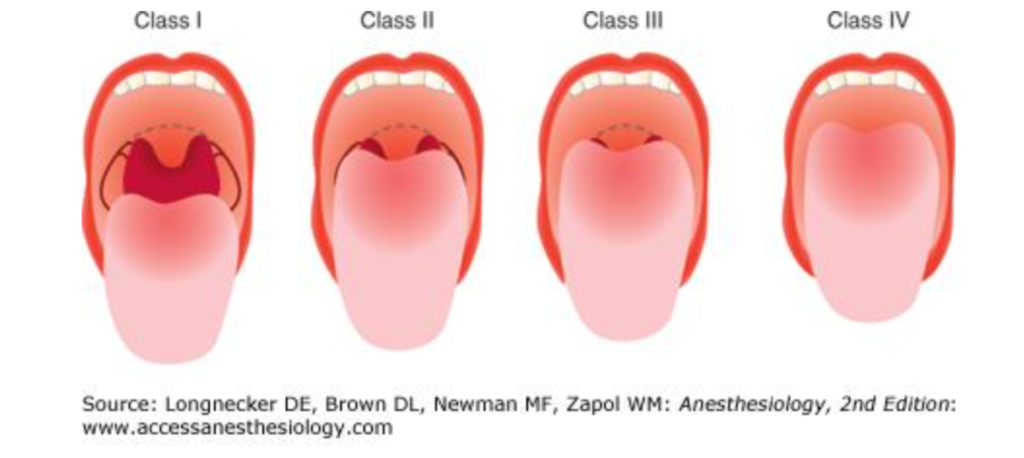
An important step in the anesthesiologist’s physical evaluation is looking in the patient’s mouth to evaluate their airway before surgery. The assessment is rated with a classification called the Mallampati Score.
This score ranging from I to IV helps us to predict the possible ease or difficulty in placing an endotracheal tube aka the breathing tube, required to give you oxygen as you sleep during surgery. In pregnancy, because of soft tissue changes, a woman who prior to pregnancy, had what appeared to be an easy airway (Mallampati I or II) can transform to a possibly more challenging one (Mallampati III or IV). What does this mean? For us, it means that if an airway is predicted to be difficult, we prepare tools and equipment to work around it. However, a challenging airway does place a patient at risk for a missed airway and respiratory complications.
Functional Residual Capacity
Another change in pregnant women experience is a decrease in what we call FRC or Functional Residual Capacity. This means that the time it takes for oxygen levels to decrease in the body is shorter than non-pregnant patients. This, coupled with a potentially difficult airway, could be disastrous if the breathing tube is not placed in a timely manner. We try to combat this by making sure a pregnant patient pre-oxygenates by taking several breaths of oxygen through a mask. This prefills their lungs with oxygen before they go off to sleep allowing for the lungs to have a good reserve to pull from.
Pregnant women are also at higher risk for a complication called aspiration. Aspiration is when stomach content gets into the lungs, basically vomiting while you sleep. This can happen because during pregnancy there is a slowing of gastric motility or stomach. Also, gut motions required to propel food forward in the GI tract. There is also an upward displacement of the stomach as the baby grows and takes up more space.
If you are pregnant and suffer severe heartburn, these are big reasons why! As a result, anesthesiologists make sure you adhere to fasting guidelines ensuring decreased stomach content. Then to get you off to sleep we use a technique called rapid sequence induction. This technique skips steps in the normal process of placing the breathing tube. That, unfortunately, exacerbates the risk of aspiration. While also rapidly placing the breathing tube. This helps to reduce this risk significantly.
PROTEIN IN YOUR PREGNANCY DIET
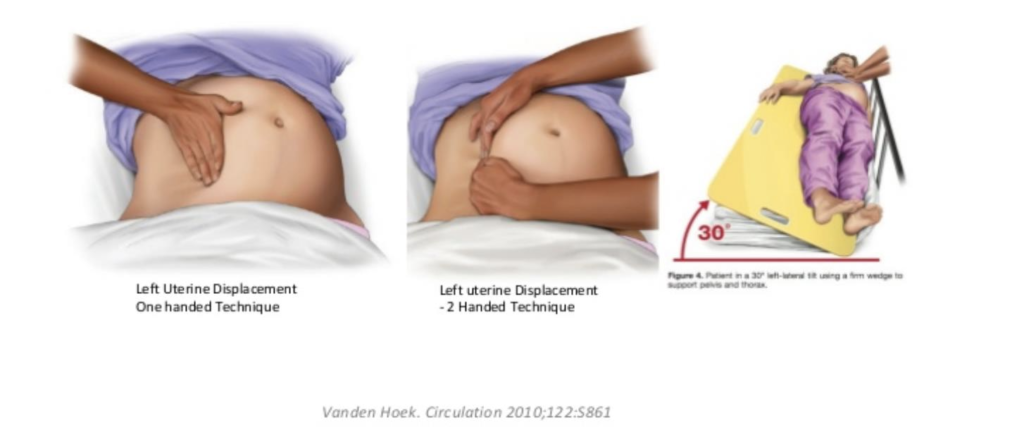
An additional change that occurs due to the growing uterus is that blood flow can be obstructed. As the baby grows and the uterus gets bigger lying flat can be an issue. Because the uterus can compress the aorta and vena cava, which are major blood vessels in the body. The compression of these vessels can lead to the decreased blood supply to the placenta and therefore the baby. To alleviate this, we position the mother in such a way to prevent this compression. A position called left uterine displacement or left uterine tilt. We also give plenty of fluids and medications to help enhance blood flow as well.
So what about baby, after all, they are the patient too?
Surgery can place the baby at risk, the major risk being miscarriage and fetal demise. The changes listed above to the mother places her at higher risk of low oxygen levels and low blood flow to the uterus. How does this affect the baby? Well, the mother and baby share blood and oxygen supply. If there is less to share between the two, the baby receives less than what is necessary for their health and survival.
Additionally, with anesthetic medications, there is a concern for their possible teratogenic effects which are developmental issues and deformities. However, according to Rosen, data shows that women who have had surgery do not have a higher incidence of babies with congenital anomalies, than those who didn’t. Women who have undergone surgery are at increased risk, however, for abortions, growth restrictions, and low birth weight babies. These seem to be attributed more to the need for surgery rather than anesthetic medications. There is one medication we typically avoid. Because there is controversy about its link to cleft palate. Especially if used in the 1st trimester. Those are benzodiazepines such as valium or Ativan. However, this has not been substantiated to be the case.
HOSPITAL BAG CHECKLIST: WHAT TO PACK FOR LABOR AND DELIVERY
So with all of this information, your anxiety probably hasn’t settled. But no worries, you are in the hands of an anesthesiologist and anesthesia team who have trained for this.
How do we take care of you? What are the options? In addition to some of the maneuvers and steps mentioned above. When presented with a pregnant patient, before they get into the operating room, we plan. Here are some steps we take in planning to care for our pregnant patients:
Postpone:
First, we collaborate with the surgeons and discuss the need for the surgery. Our first objective is to see if the case can be postponed until after delivery to avoid the risks altogether.
Delay till optimal time:
If the surgery is required because unfortunately, you can still get a ruptured appendix. A bad gallstone, or worse, during pregnancy. We then try to at least delay the case until the 2nd to early 3rd trimester. This time frame has been shown to be the lowest risk time in pregnancy for complications to occur during surgery.
Alter the anesthetic technique:
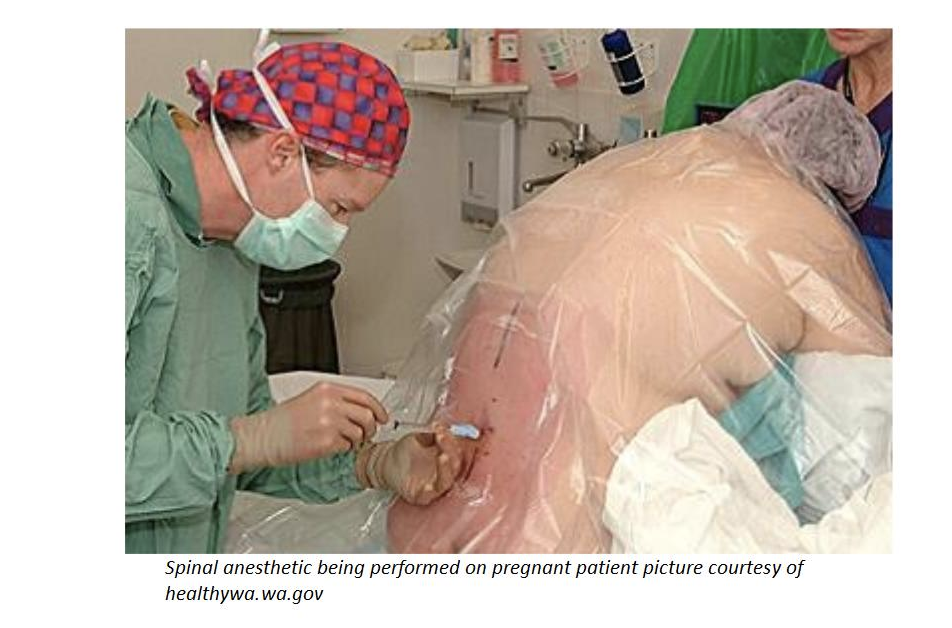
Regardless of the timing, surgery and anesthesia are risky especially when the case requires general anesthesia with a breathing tube. Therefore, we try as much as possible to use other techniques to get you through the surgery. Some of those options include placing epidural or spinal anesthesia. Doing the case with local anesthesia, or performing a peripheral nerve block technique. These techniques carry their own risks. For example, the epidural and spinal anesthetic can still cause low blood pressure in a mom. Therefore affect the blood flow of the baby if care is not taken. However, minimizing the need for sedation and placing a breathing tube. If the procedure allows, is a helpful way to decrease risks to mom and baby.
Collaborate with Obstetrics and Neonatology:
Most importantly, when a woman requires surgery, the obstetrician or perinatologist and neonatologist are informed. Also, obstetrical nurses are involved. They assist with perioperative fetal monitoring as well as preoperative planning and postoperative care. This helps to make sure the experts are monitoring the baby and are available to intervene if need be.
Feeling a little better?
Well, the good news in all of this is that only about 1-2% of women require surgery during pregnancy. Additionally, the rate of complications or adverse outcomes in mom and baby are actually low. When surgery is recommended it usually is the best option to address an underlying condition. That can cause serious harm to you and your baby. With advances in medicine, teamwork, and good planning, many complications are avoided. I hope this answers some questions for you. Make sure to always be a self-advocate and ask important questions to all involved in your care.
TIPS TO HELP YOU PREPARE FOR CHILDBIRTH AND LABOR
Author:  Dionne C. Okafor, M.D. is a general anesthesiologist at HSHS St. Mary’s Hospital. Completed medical school at the University of Pittsburgh School of Medicine and residency training at Harvard Brigham and Women’s Hospital. You can follow her on Instagram @dr_adaora
Join us over at the PB Moms Exclusive Circle. Where we invite healthcare experts to prepare us for life after childbirth and motherhood. Go to: pregnancybeyond.com/exclusive-circle.
Follow PregnancyBeyond on Instagram, Facebook, and Twitter.
The post Anesthesia During Pregnancy – Is it Safe? appeared first on PregnancyBeyond.
]]>The post ICP : “My Story Could Have Ended in Tragedy” appeared first on PregnancyBeyond.
]]>ICP:
“My Story Could Have Ended in Tragedy” By Tenauh Lopez (ICP Care).
June is ICP (Intrahepatic Cholestasis of Pregnancy) Awareness Month, ICP is a medical condition where women experience a very severe itching during pregnancy. PregnancyBeyond has teamed up with ICP Care. To raise awareness of this liver disorder. That develops during pregnancy. In which bile flow is impaired within the liver itself. This condition has been shown to pose a serious risk to the unborn baby.
In today’s post, one mom emphasizes the importance of raising awareness of this pregnancy-specific liver disease.
.
 My story began in 2012, I got married and we wanted kids as soon as possible. We started to try and conceive. I found out on the eve of my wedding that I was pregnant. We were super excited to start our new lives together and raise our future children. Unfortunately, the next day I woke up to heavy bleeding and took another pregnancy test which came back negative. My mother-in-law took me to the emergency room to verify that I had a miscarriage. We were deeply saddened that I had lost the baby. I knew it would happen at the right time. For the next couple of years, we consistently tried to get pregnant and failed. We visited many specialists and fertility doctors.
The test results showed that he had a lot of fertility problems and we would most likely need to do IVF in order for me to become pregnant. I also have Neurogenic Cardiac Syncope and was told I would not be able to have a child naturally. Ultimately, if I was able to conceive it would be a high-risk pregnancy that I would most likely be on bed rest my whole entire pregnancy.
At this time there was a lot of stress and we ended up getting divorced.
After my divorce, I became very depressed and thought I would never have the opportunity of becoming a mother and did not think it was possible due to previous miscarriages and my medical condition. After consistently trying for six years nothing happening you get very doubtful. In 2017, I decided if it doesn’t happen this year naturally I would save up for IVF. I wanted to try one round of it and if it failed my plan would be to adopt.
I was engulfed in my job and living life. Out of the left-field, I started feeling really nauseous. After so many negative pregnancy tests I thought I got a stomach bug. Then I remembered I was late on my period but only a day late and I really didn’t think much of it. Finally, it bothered me so much that I just went and bought a pregnancy test thinking it would be negative. Low and behold the test came back positive.
 I was over the moon excited but worried that I would have a miscarriage again. I had my HCG test every week and I prayed that my numbers were rising and not falling. Further, I didn’t tell anyone that I was pregnant until I reached four months of pregnancy. My dad was the first one I told and he was in utter shock. Because he remembers the call we had a couple of months before. Telling him that I was really seriously considering doing one IVF treatment and adopting.
Around 4 months, I went to the doctor just for a general check-up because I started itching and sneezing. I thought it was just my seasonal allergies. I was taking Benadryl but it wasn’t helping. Also, I got bit by some ants at work and I am allergic too. I just thought it was just a reaction to that. It concerned me though since I was still itching 7 days after I got bit. I noticed that I started itching really bad at night to the point that it was keeping me awake.
My general doctor went on to tell me that during pregnancy this could be something serious with my liver. This scared me a lot and it concerned me knowing how it could affect my unborn baby. He drew blood and ran a blood test to check my bile acids. My OBGYN called me the same day and said to come in because he had drawn blood to do the wrong test. I was deeply
confused. She explained to me that there are two tests. One is to check your levels if you are not pregnant and the other checks your levels when you are pregnant because they vary.
At this point in time, I asked her what is the medical name for this condition that was going on with my liver. She told me Intrahepatic Cholestasis of Pregnancy or ICP. I was on pins and needles while I waited for my test to come back so I googled ICP. The first thing that came up in my search was a music band that paints their faces like clowns. I knew instantly that cannot be the right abbreviation. So I researched the medical name Cholestasis and found a support group ICP Care with a lot of information about this high-risk pregnancy.
A couple of days later my doctor called me back to let me know that I had a diagnosable bile acid level and I would need to start the medicine to treat ICP called Ursodiol. I don’t know which was worse the itching or the medication. My daughter needed monitoring with weekly non-stress test and biophysical profile ultrasounds. Another important part of treatment is early induction. My levels were high enough requiring me to be induced at 36 weeks.
During her biophysical profile ultrasounds, it showed she was measuring two to three weeks smaller than she should be. She measured 4 lbs 2 oz at my last ultrasound. My doctors prepared me for the possibility of her being in NICU for an extended amount of time. Also, they were afraid that her lungs may not be mature enough for her to breathe on her own. Their plan was to give me two steroid shots for lung maturity before induction.
Even with this added stress, I continued to work all the way up until the day I was induced. I started my induction on 3/12/18 at 7:00 am in morning. Lilac May Walker arrived weighing 4 lbs 6 oz at 11:52 pm on 3/13/18. Lilac defied all odds and regulated her temperature, breathing, and blood sugars all by herself. This meant she did not need any NICU time.

After she arrived, I stopped itching momentarily enough to see the scars that were left on my body from itching. After 3 days postpartum the itching returned and is still prevalent which is likely cyclical even though my bile acids are within in range.
Since my experience with Cholestasis of Pregnancy, I will continue to advocate to spread awareness about this condition with high risks for the baby. Many women still go untreated and undiagnosed. Fortunately for me, I asked questions and went to the doctor. If my story in any way will help save lives and create awareness I will continue. My story could have ended in tragedy. But I was lucky enough to be surrounded by a team of physicians, who were educated about the high risks. (Find more info. on ICP here)
READ: HOW ICP CHANGES YOUR PREGNANCY
The ICP Care:
ICP Care is a 501(c)(3) nonprofit determined to help pregnant mothers who experience Intrahepatic Cholestasis of Pregnancy and to deliver healthy babies. ICP Care’s mission is to provide patient support and education. Raise public awareness, support the advancement of research, and improve health care practices. ICP Care helps to connect, support, educate, and empower those affected by ICP – Intrahepatic Cholestasis of Pregnancy.
We do this by raising awareness of the condition, distributing educational materials for patients and medical professionals, and creating a supportive community for friends and families of anyone affected by ICP. We hope that one day, all medical professionals and staff will know the proper protocol for treating Intrahepatic Cholestasis of Pregnancy, resulting in less suffering and healthier ICP babies. Find them on Facebook and at www.icpcare.org
Join us over at the PB Moms Exclusive Circle, where we invite healthcare experts to prepare us for life after childbirth and motherhood. Go to: pregnancybeyond.com/exclusive-circle.
Follow PregnancyBeyond on Instagram, Facebook, and Twitter.
The post ICP : “My Story Could Have Ended in Tragedy” appeared first on PregnancyBeyond.
]]>The post How ICP Changes Your Pregnancy – Worth Every Itch appeared first on PregnancyBeyond.
]]>How ICP Changes Your Pregnancy?
How ICP Changes Your Pregnancy – Worth Every Itch, By Lyndsey Quist (ICP Care).
June is ICP (Intrahepatic Cholestasis of Pregnancy) Awareness Month. ICP is a medical condition where women experience very severe itching during pregnancy. PregnancyBeyond has teamed up with ICP Care to raise awareness of this liver disorder that develops during pregnancy. In which bile flow is impaired within the liver itself. This condition has been shown to pose a serious risk to the unborn baby.
In today’s post, one mom advises on the importance of early detection, diagnosis, and intervention.
.
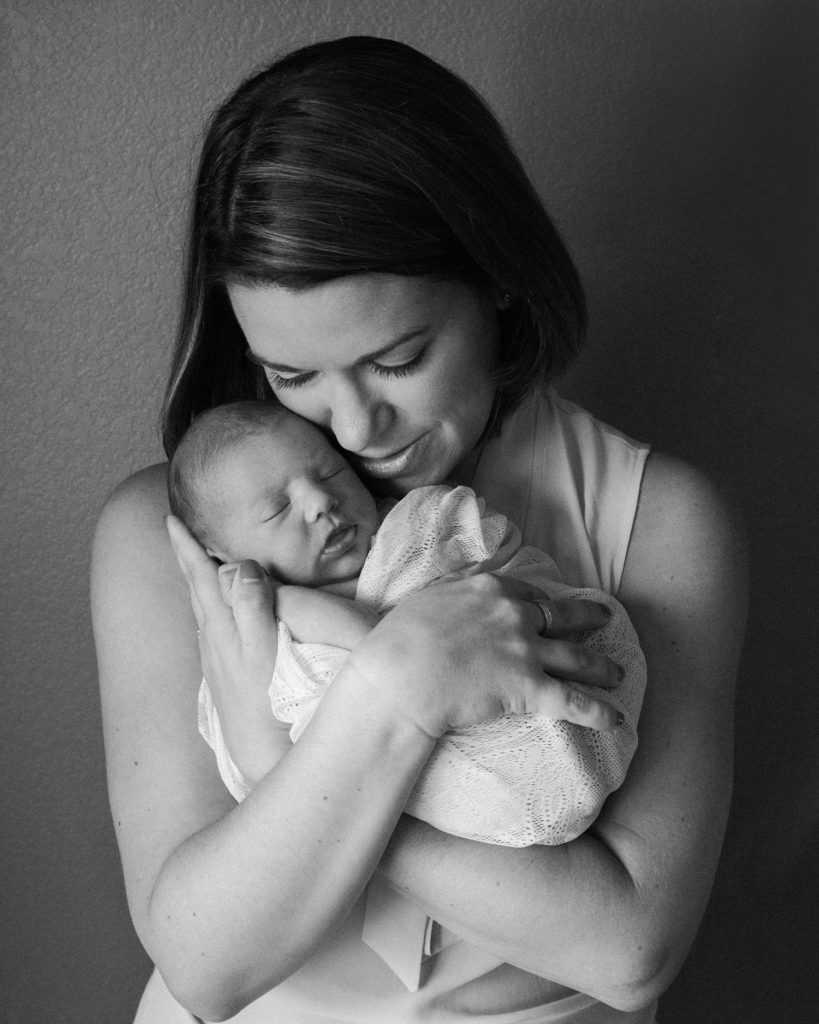
Last June, during Intrahepatic Cholestasis of Pregnancy (ICP) Awareness Month. I was diagnosed with cholestasis during the third trimester of my second pregnancy. It started at the end of May with mild itching on the soles of my feet. After three nights of no sleep, I turned to Google for support. Assuming that itching on your feet was mild. I was shocked to find out that it was the number one symptom of ICP. A disorder that affects pregnant women and can be fatal to their unborn child. Frantic with worry, I called my midwives as soon as the sun came up. I was surprised when they suggested I come down to labor and delivery that Sunday morning. For some blood work and a non-stress test. I was lucky that my midwife immediately suspected ICP. Also, promised that we would continue testing and monitoring until we had a diagnosis. ICP affects only one in 1,000 pregnancies. Many doctors miss the symptoms or are uneducated about current recommended treatment.
After we confirmed that at 30 weeks my daughter was doing well, I was sent home to wait the several days it would take to get my blood work back. My labs showed elevated liver enzyme numbers but the true indicator of cholestasis is bile acids number above 10. Only a few labs in the country run this blood test and it can take days or even a full week to get results. Symptoms of ICP often start well before your bile acids number are at the diagnostic range. There are many pregnant women that endure weeks of testing and uncertainty before getting a conclusive diagnosis.
Three weeks later I was officially diagnosed with ICP. The diagnosis felt simultaneously like a blessing and a curse. After weeks of waiting and not knowing what will happen with your pregnancy, you now know that you have cholestasis. You can schedule an early induction to lower your risk of stillbirth which increases at 37 weeks gestation. Start the medication Ursodiol which helps to lower your bile acids levels, protecting your baby while in utero. You also start bi-weekly NSTs to make sure your baby is active and thriving. Your doctor appointments quadruple, but if you’re lucky enough to have a team that is knowledgeable about ICP, you feel some relief at having a plan to protect your baby.
The last four weeks of my pregnancy felt long and stressful. At a time when you should be happy and excited about your baby’s arrival, you feel constant anxiety and stress about the health of the baby. For many women like myself, the itching increases in severity. Some days I slept only one or two hours the entire night because I was so uncomfortable. I barely had the energy to care for my active little toddler. There was no energy to prepare my daughter’s room, wash baby clothes, or do ordinary nesting activities. I spent the little mental energy I had arranging care for my son during my endless doctor appointments and upcoming induction. Also, I remember once crying on the phone to his preschool who called to tell me he was upset and needed to be picked up. I was hooked up to a fetal monitor watching as my daughter failed an NST, fearing for my daughter’s life but feeling the guilt of not being there for my two-year-old son when he needed my comfort.
Finally, our induction date arrived. Although I was happy that the induction had finally arrived I was nervous. At 10 pm on a Monday evening, I was given my first dose of Cytotec. After three doses and 16 hours, my labor was not progressing. I was feeling very emotional and exhausted by the hours of unproductive contractions. As I took a break from the induction medication and asked for some time to be alone with my husband, suddenly my water broke naturally and labor progressed quickly. It wasn’t long before I held my beautiful, healthy daughter in my arms.
Two hours after her peaceful entry into this world, the nurses started weighing and measuring my daughter. As the nurses proudly announced each statistic, declaring her good health, my husband snapped photos. I remember that I couldn’t focus on anything they were saying and suddenly I was vomiting and losing consciousness. The nurses and midwives thought I was just responding to postpartum hormone fluctuations and told me not to worry. I continued to get sick and fade out when one of the nurses discovered I was losing a lot of blood. Suddenly everything was happening very quickly. They couldn’t get ahold of a midwife or doctor so my labor and delivery nurse made the lifesaving decision to start me on Pitocin immediately. Despite the Pitocin, I was hemorrhaging quickly and my midwife started to remove the placental pieces that were still inside of me. This procedure was one of the most painful things I had ever experienced but it was life-saving and eventually I was told I was stable. The beautiful moment of my daughter’s birth had been followed by a terrifying hour where I wondered if I survive.
In the ICP community, we have a common saying which is “worth every itch.” There is no better way to explain an ICP pregnancy. So quickly your pregnancy can go from healthy, normal, and exciting to scary. After weeks or months of stress, anxiety, and endless itching, you finally get to hold your sweet baby in your arms and you know without a doubt that every single moment of discomfort and fear was worth it to have this sweet little love in your life. Unfortunately for some families, ICP is not caught in time and they lose their sweet unborn child to a disorder that is very rare. After my own experience, I am so thankful to have had a medical team that was knowledgeable about ICP and to the ICP Care community that provided me with support and information throughout my pregnancy. (Find more info. on ICP here)
ALSO SEE: THE ITCH I FELT WAS LIKE ANTS CRAWLING UNDER MY SKIN
The ICP Care:

ICP Care is a 501(c)(3) nonprofit determined to help pregnant mothers who experience Intrahepatic Cholestasis of Pregnancy and to deliver healthy babies. ICP Care’s mission is to provide patient support and education. Raise public awareness, support the advancement of research. Improve health care practices. ICP Care helps to connect, support, educate, and empower those affected by ICP – Intrahepatic Cholestasis of Pregnancy.
We do this by raising awareness of the condition, distributing educational materials for patients and medical professionals. Also, creating a supportive community for friends and families of anyone affected by ICP. We hope that one day, all medical professionals and staff will know the proper protocol for treating Intrahepatic Cholestasis of Pregnancy. Resulting in less suffering and healthier ICP babies. Find them on Facebook and at www.icpcare.org
Join us over at the PB Moms Exclusive Circle. Where we invite healthcare experts to prepare us for life after childbirth and motherhood. Go to: pregnancybeyond.com/exclusive-circle.
Follow PregnancyBeyond on Instagram, Facebook, and Twitter.
The post How ICP Changes Your Pregnancy – Worth Every Itch appeared first on PregnancyBeyond.
]]>The post My ICP Story – Ants Crawling Under My Skin appeared first on PregnancyBeyond.
]]>ICP Story:
My ICP Story: ‘The Itch I felt Was Like Ants Crawling Under My Skin’, By Lia McKernan ( ICP Care),
Generally, June is ICP (Intrahepatic Cholestasis of Pregnancy) Awareness Month. ICP is a medical condition where women experience very severe itching during pregnancy. For instance, PregnancyBeyond has teamed up with ICP Care to raise awareness of this liver disorder. That develops during pregnancy. Generally, in which bile flow is impaired within the liver itself. This condition has been shown to pose a serious risk to the unborn baby.
In today’s post, one mom warns about the dangers of itching during pregnancy.
.
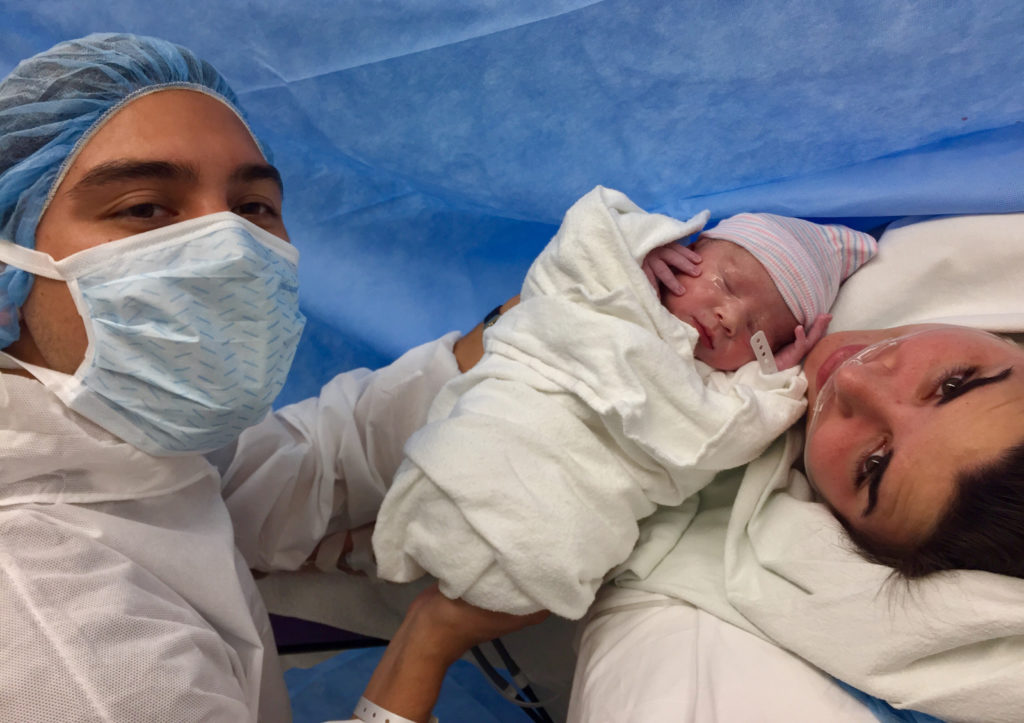
September 20, 2016, I had the most terrifying and wondrous day of my life. That day, my son Maximilian was born. Max joining us earthside went absolutely nothing as we’d anticipated. A rare and sometimes dangerous diagnosis. Intrahepatic Cholestasis of Pregnancy, at 35 weeks gestation landed me an induction 4 weeks before my due date. I started presenting symptoms about a week before my diagnosis. My main symptom is extreme itchiness all over my body, hands, and feet. I had no accompanying rash.
Don’t Miss: ONE HEARTBROKEN MOM SHARES HER ICP STORY
The best way I can describe the itch I felt was like ants crawling under my skin. After a bit of research and I knew in my gut this was ICP, even before my confirmed diagnosis. Untreated ICP pregnancies have a host of risks. Including meconium staining, preterm labor and delivery. Also, fetal distress, maternal hemorrhage, respiratory distress syndrome, and the risk of stillbirth skyrockets to 15%. My husband and I went from hope, joyful anticipation, and relative calm, to fear, worry, and panic. We needed to get this baby out safely, and we needed to do it immediately. All the natural birthing classes, breathing exercises. Even working with our supportive doula could never come close to preparing us for this.
We checked into the hospital on the evening of September 18, 2016. I remember feeling so incredibly relieved to arrive. Because that meant I’d be hooked up to a fetal heart rate monitor until our baby was born. From the moment I suspected my symptoms were from cholestasis to my confirmed diagnosis. To the second before I was hooked up to that monitor. I was a wreck. I would obsess over every movement, every kick I felt or didn’t feel. Also, I was terrified to go to sleep each night. Fearing if I wasn’t awake to constantly monitor movements, our baby may not make it to the morning. But here we were, finally, after what seemed like a lifetime from hearing the word ‘cholestasis’. 40 hours of labor later, with several interventions and little progress, we made the call. Get. this. baby. out. now.
Maximilian William was born via cesarean section Tuesday, September 20, 2016, at 1:51 pm. 7 pounds, 10 ounces – at 36 weeks! Can you believe it? We did it. We made it. And here we are, almost two gorgeous, exhausting, perfect years later. I love you wholly, unconditionally, and ever so fiercely, my miraculous Max. (Find more info. on ICP here)
The ICP Care:
ICP Care is a 501(c)(3) nonprofit determined to help pregnant mothers who experience Intrahepatic Cholestasis of Pregnancy and to deliver healthy babies. ICP Care’s mission is to provide patient support and education. Raise public awareness, support the advancement of research, and improve health care practices. ICP Care helps to connect, support, educate, and empower those affected by ICP – Intrahepatic Cholestasis of Pregnancy.
We do this by raising awareness of the condition. Distributing educational materials for patients and medical professionals. Also, creating a supportive community for friends and families of anyone affected by ICP. We hope that one day, all medical professionals and staff will know the proper protocol for treating Intrahepatic Cholestasis of Pregnancy. Resulting in less suffering and healthier ICP babies. Find them on Facebook and at www.icpcare.org
Join us over at the PB Moms Exclusive Circle. Where we invite healthcare experts to prepare us for life after childbirth and motherhood. Go to: pregnancybeyond.com/exclusive-circle.
Follow PregnancyBeyond on Instagram, Facebook, and Twitter.
The post My ICP Story – Ants Crawling Under My Skin appeared first on PregnancyBeyond.
]]>